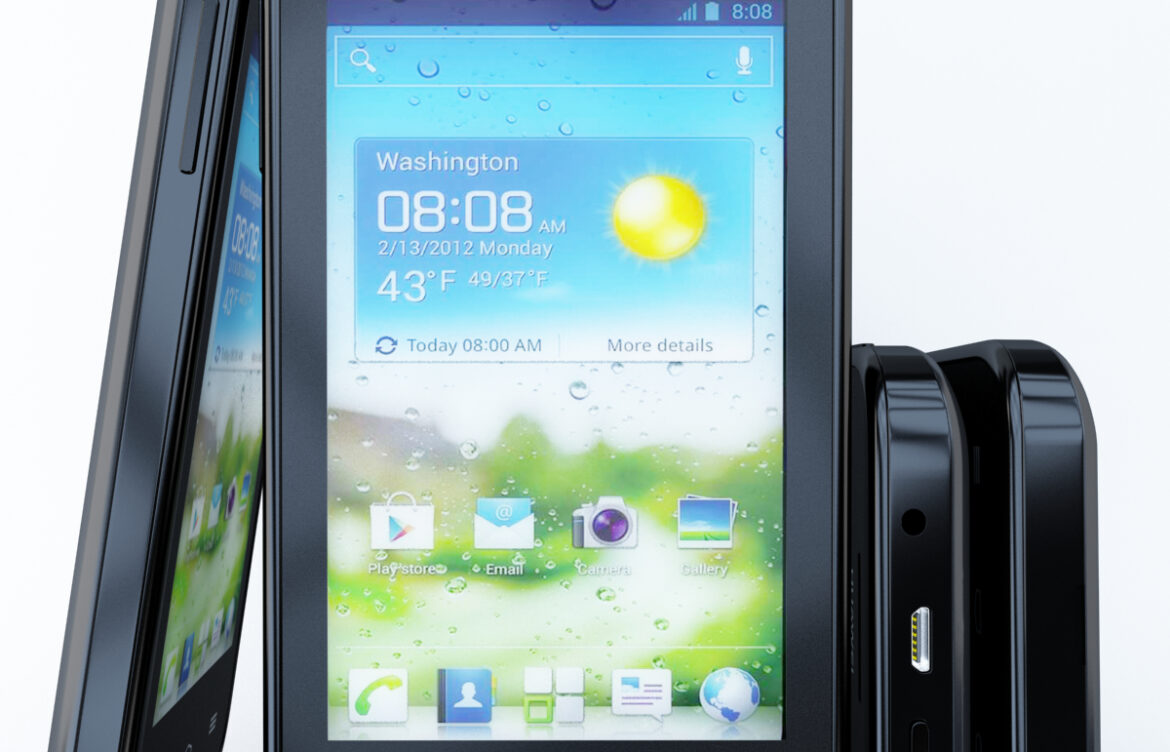
Recent Developments in Huawei Technology
Introduction to Huawei
Huawei Technologies Co., Ltd., a leading global provider of information and communications technology (ICT), has been at the forefront of innovation in the telecom sector. Founded in 1987 in Shenzhen, China, Huawei is known for its cutting-edge 5G technology and a range of consumer electronics. As geopolitical tensions increase, the relevance of Huawei’s advancements and operations draws significant attention, particularly in relation to national security and international trade.
Current Events Surrounding Huawei
In 2023, Huawei has been navigating a complex landscape shaped by ongoing U.S. sanctions and competitive pressures. Recently, Huawei unveiled a new line of smartphones equipped with advanced features that leverage its proprietary technology. The launch of the Huawei Mate 50 Pro series has been hailed as a potential game-changer in the premium smartphone market, showcasing improved camera capabilities and AI integration.
At the same time, Huawei continues to invest heavily in research and development (R&D). Reports indicate that the company has allocated billions of dollars towards R&D, focusing on developing next-generation chips and exploring sustainable energy solutions. This commitment not only aims to enhance its product offerings but also to reduce dependence on foreign technology, especially amidst trade restrictions.
Global Impact and Future Prospects
Huawei’s future appears to hinge on its ability to adapt to the rapidly changing tech landscape. Despite significant challenges, including legal battles and market access issues in several countries, Huawei remains a formidable player in global telecommunications. The company’s resilience is evident as it seeks to expand its reach into emerging markets while cultivating partnerships with local firms.
Additionally, Huawei’s investments in cloud computing and artificial intelligence present avenues for growth in sectors beyond telecommunications. Analysts suggest that if Huawei can effectively navigate the regulatory environment, it could solidify its position in the tech industry and drive innovations that influence global markets.
Conclusion
The developments surrounding Huawei are critical not only for the company but also for the broader technology landscape. As Huawei continues to innovate and expand, stakeholders must remain vigilant about the implications of its actions on global technological standards and cybersecurity. The company’s journey reflects the interplay of technology, policy, and economics in an increasingly interconnected world.