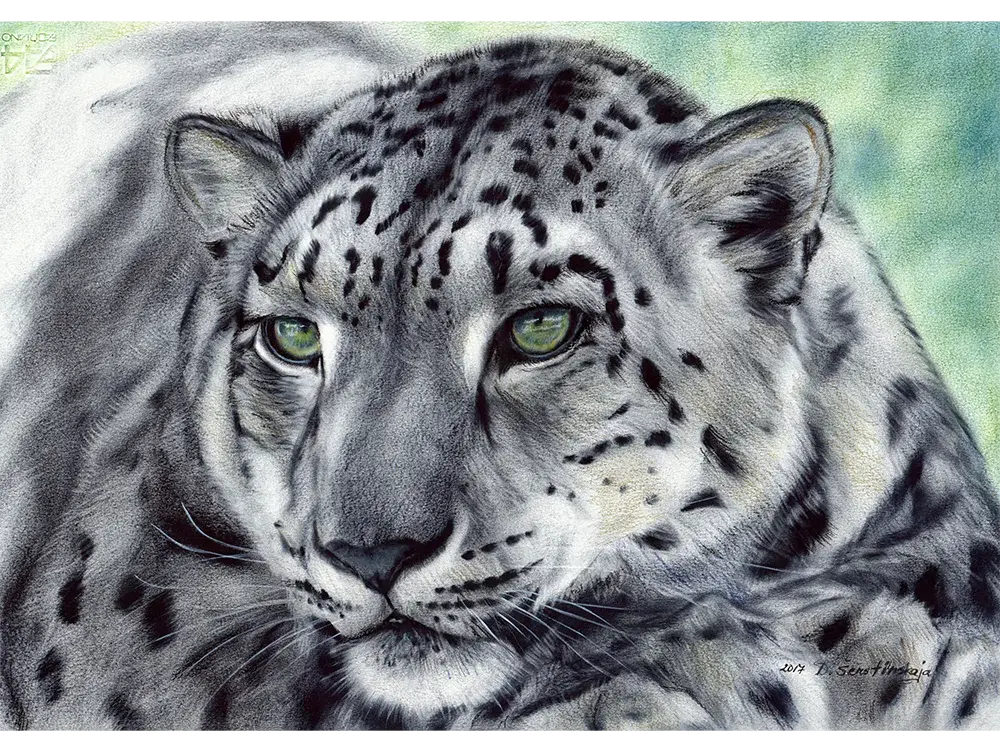
Protecting the Enigmatic Snow Leopard
The Importance of Snow Leopards
Snow leopards (Panthera uncia), often referred to as the ‘ghosts of the mountains,’ are one of the most elusive big cats in the world. Found in the mountain ranges of Central and South Asia, they play a critical role in maintaining the ecological balance of their habitat. As apex predators, they regulate the population of their prey, which includes ibex and blue sheep, ultimately supporting biodiversity in the region. However, snow leopards are classified as vulnerable by the International Union for Conservation of Nature (IUCN), facing threats from habitat loss, poaching, and retaliatory killings by herders.
Current Conservation Initiatives
Efforts to protect snow leopards have gained momentum in recent years, with various organizations and governments stepping up their initiatives. The Snow Leopard Trust, established in 1981, has been at the forefront of conservation efforts, focusing on community-based approaches. By working closely with local herders, the organization promotes sustainable practices that reduce human-wildlife conflict, such as compensation schemes for livestock loss due to snow leopard predation.
Additionally, the Global Snow Leopard & Ecosystem Protection Program (GSLEP) was launched in 2013, uniting 12 countries where snow leopards live. This program aims to implement a 20-year strategy to conserve their habitat and maintain viable populations across their range. National parks and reserves are being established, and patrols are increased to curb poaching.
Recent Developments
In 2022, the World Wildlife Fund (WWF) reported an increase in technological innovations aiding snow leopard conservation. Camera traps equipped with AI technology are being deployed to monitor populations and facilitate research. This data is crucial for crafting effective conservation strategies tailored to specific regions.
Furthermore, community education programs are becoming integral to conservation strategies. By teaching locals about the importance of snow leopards and their ecosystems, organizations are fostering a culture of coexistence and support for wildlife conservation.
Conclusion
Protecting the snow leopard is not just essential for preserving a remarkable species but also for maintaining the health and stability of mountainous ecosystems. As conservation efforts intensify, the future of snow leopards hangs in the balance, reliant on continued support from international communities, innovative technology, and local engagement. By prioritizing these efforts, we can hope to ensure that these majestic creatures remain a vital part of our planet’s wildlife heritage.