Pearl Harbor: A Historical Comparison in Modern Context
Before recent events unfolded, the historical significance of Pearl Harbor was firmly rooted in American consciousness. The attack on December 7, 1941, which resulted in the tragic loss of more than 2,400 American lives, marked a pivotal moment that propelled the United States into World War II. This event has long been viewed as a symbol of surprise and the dire consequences of unpreparedness.
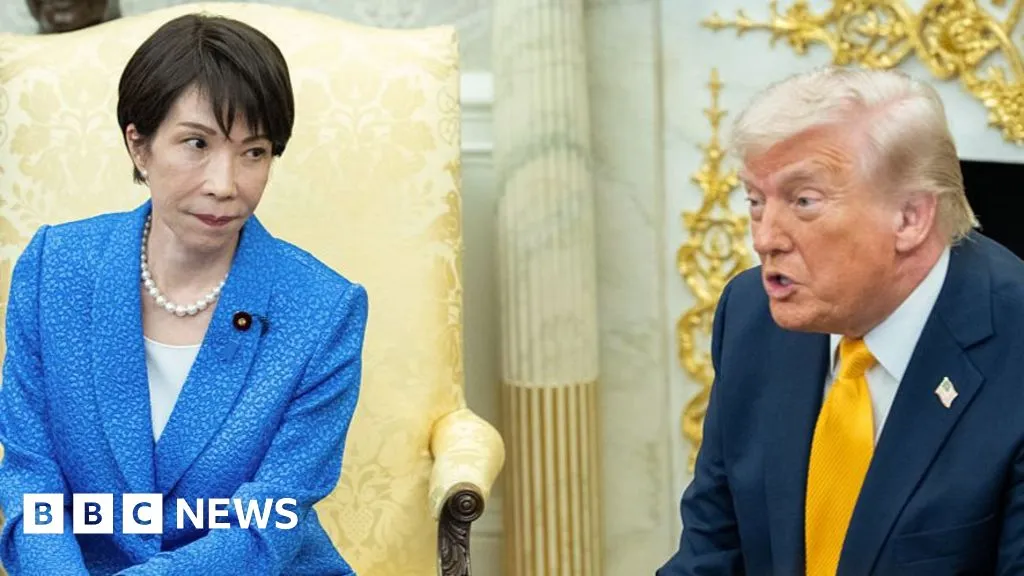
However, during a meeting with Japan’s first female prime minister, Sanae Takaichi, Donald Trump made a striking comparison between US military strikes on Iran and the Pearl Harbor attack. His remarks, particularly the question, “Why didn’t you tell me about Pearl Harbor?” and the assertion, “Who knows better about surprise than Japan?” drew immediate attention and sparked a wave of reactions.
This moment, where Trump juxtaposed a historical tragedy with contemporary military strategy, was not just a casual remark but a decisive moment that resonated deeply within the political landscape. The comment was made in response to a question about the lack of communication with allies regarding military actions, highlighting the ongoing complexities of international relations.
Takaichi’s reaction to Trump’s comments quickly went viral on social media, illustrating the immediate effects of such statements on public discourse. The juxtaposition of a historical event with current military actions raised eyebrows and prompted discussions about the appropriateness of such comparisons.
Experts have weighed in on the implications of Trump’s remarks, emphasizing the sensitivity surrounding historical events like Pearl Harbor. The attack not only reshaped the course of history but also left an indelible mark on the American psyche. Trump’s comments, while perhaps intended as humor, underscore the delicate balance leaders must maintain when referencing historical events.
Moreover, Trump’s praise for Takaichi’s command of English during the meeting added another layer to the narrative, showcasing the evolving dynamics between the United States and Japan. The relationship, once strained by war, has transformed into a partnership, yet moments like these remind us of the past’s weight.
As discussions continue about the implications of military actions and historical comparisons, it is clear that the legacy of Pearl Harbor remains relevant. The attack serves as a reminder of the consequences of surprise and the importance of communication among allies.
In reflecting on these events, it is essential to recognize the lessons history teaches us. The Pearl Harbor attack was a wake-up call for the United States, and as we navigate modern challenges, the echoes of the past continue to inform our present decisions.
Details remain unconfirmed regarding the broader implications of Trump’s comments, but the dialogue they have sparked is a testament to the enduring significance of historical events in shaping contemporary politics.