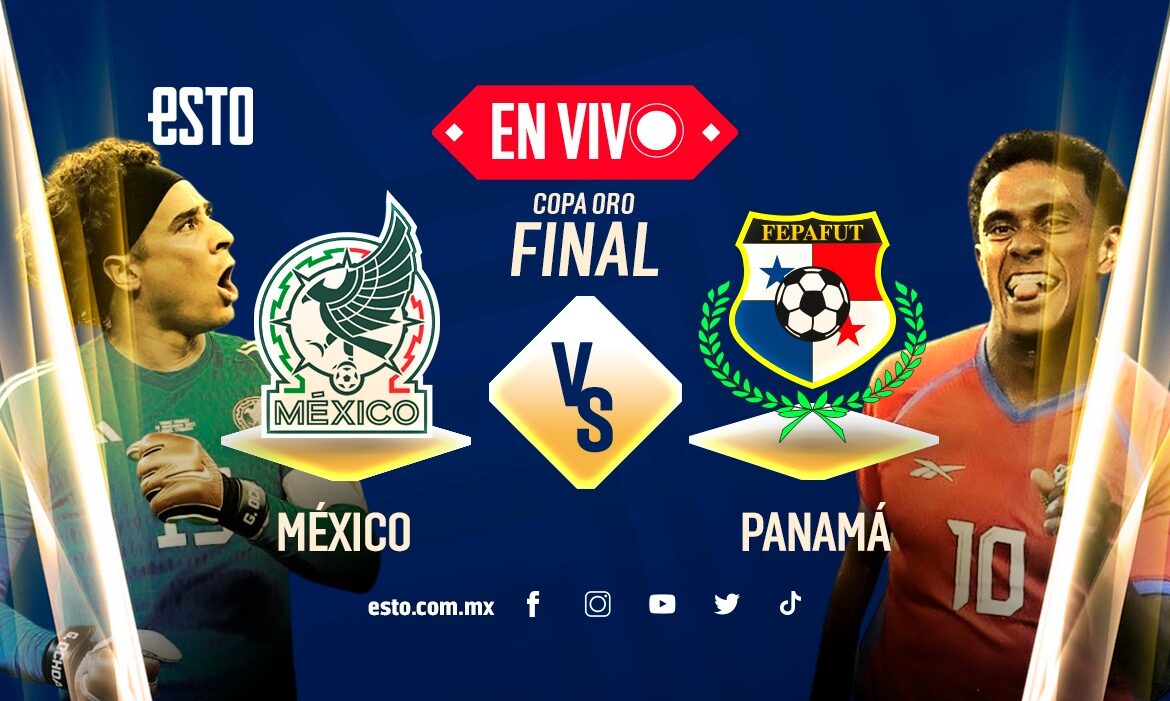
Panama vs Mexico: A Deep Cultural and Economic Comparison
Introduction
As two vibrant countries located in Latin America, Panama and Mexico offer rich histories, diverse cultures, and unique economies. Understanding the differences and similarities between these nations is crucial for travelers, investors, and anyone interested in the region’s dynamics. With varying political landscapes, economic opportunities, and rich traditions, comparing Panama and Mexico sheds light on their respective roles in the modern world.
Geographical and Historical Context
Panama and Mexico are geographically distinct yet share critical historical ties within Latin America. Mexico, the larger of the two, has a long history dating back to pre-colonial times with advanced civilizations such as the Aztecs and Mayans. It boasts renowned archaeological sites and a deep cultural legacy formed from indigenous influences and Spanish colonization.
In contrast, Panama’s history is defined by its strategic position and notable events such as the construction of the Panama Canal in the early 20th century. This engineering marvel not only transformed global shipping routes but also shaped Panama’s economy and demographics as it became a melting pot for people worldwide.
Cultural Differences
When it comes to culture, both countries have unique identities. Mexico is known for its vibrant traditions, including music, dance, and culinary arts, highlighted by foods like tacos, enchiladas, and mole. Festivals such as Día de los Muertos celebrate life and death in a colorful way, showcasing the country’s deep-rooted customs.
Panama, on the other hand, exhibits cultural diversity influenced by its Afro-Caribbean, Native American, and Spanish heritage. Traditional festivals like Carnival and the Pollera Festival display colorful garments and lively dance, reflecting the country’s cultural richness. The cuisine in Panama is similarly diverse, with dishes like sancocho and ceviche highlighting its coastal location and cultural mix.
Economic Landscape
Economically, Mexico ranks as one of the largest economies in Latin America, benefiting from its industrial base, agricultural output, and trade relationships, particularly with the United States through agreements like USMCA. The diverse economy allows for investment opportunities in technology, manufacturing, and tourism.
In comparison, Panama’s economy is heavily reliant on the Panama Canal, which contributes a significant portion of the country’s GDP. The service sector is robust, supplemented by banking, commerce, and tourism. The recent growth in the logistics sector due to its strategic location represents significant potential for future economic development.
Conclusion
In summary, while Panama and Mexico share geographical proximity and historical narratives, they offer distinct cultural experiences and economic prospects. Understanding these differences is vital for those looking to explore or invest in these nations. With Panama’s booming logistics sector and Mexico’s vast market opportunities, both countries hold significant importance in the landscape of Latin America. Investors and tourists alike can benefit from appreciating the depth and diversity each nation contributes to the regional dynamics.