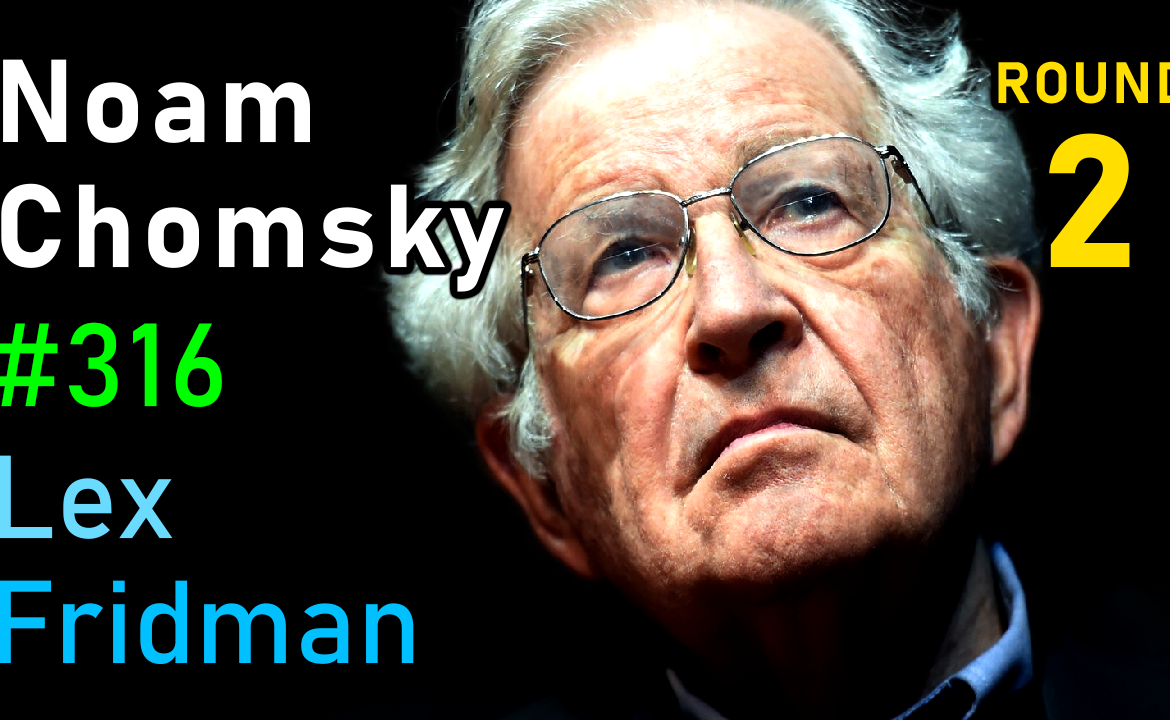
Noam Chomsky: A Linguistic Genius and Social Critic
Introduction
Noam Chomsky, one of the most influential intellectuals of our time, has reshaped our understanding of language and its connection to human cognition. Born on December 7, 1928, Chomsky is not only a prominent linguist but also a philosopher, cognitive scientist, historian, and social critic. His theories on language development and critiques of politics have sparked substantial discussions, making his work relevant in both academic and public discourse.
Chomsky’s Contributions to Linguistics
Chomsky revolutionized the field of linguistics in the 1950s with his theory of transformational grammar. He proposed that the ability to acquire language is innate to humans, proposing the existence of a universal grammar shared by all languages. This marked a shift from behaviorist theories of language acquisition that dominated the time. His ideas have influenced fields beyond linguistics, including psychology, cognitive science, and artificial intelligence.
Political Activism and Critique
In addition to his academic contributions, Chomsky is known for his outspoken critiques of U.S. foreign policy and media. Works such as “Manufacturing Consent” (co-authored with Edward S. Herman) argue that mainstream media serves the interests of the elite, shaping public perception and limiting democracy. Throughout his career, Chomsky has consistently advocated for social justice, often highlighting the consequences of military interventions and corporate influences on global politics.
Current Relevance
Chomsky remains active in public discourse, frequently participating in interviews and discussions about current events, including climate change, social inequality, and the rise of authoritarianism. His recent lectures and writings, particularly during the COVID-19 pandemic, address issues of misinformation, public health, and the importance of scientific integrity in policymaking. He continues to inspire a new generation of thinkers and activists who seek to challenge the status quo.
Conclusion
Noam Chomsky’s contributions extend beyond the realm of linguistics; his work embodies a commitment to critical thought and advocacy for justice. As we navigate complex global challenges, the insights offered by Chomsky are more significant than ever. His ability to articulate complex ideas in an accessible manner makes his work essential reading for anyone interested in understanding the intersections of language, thought, and society.