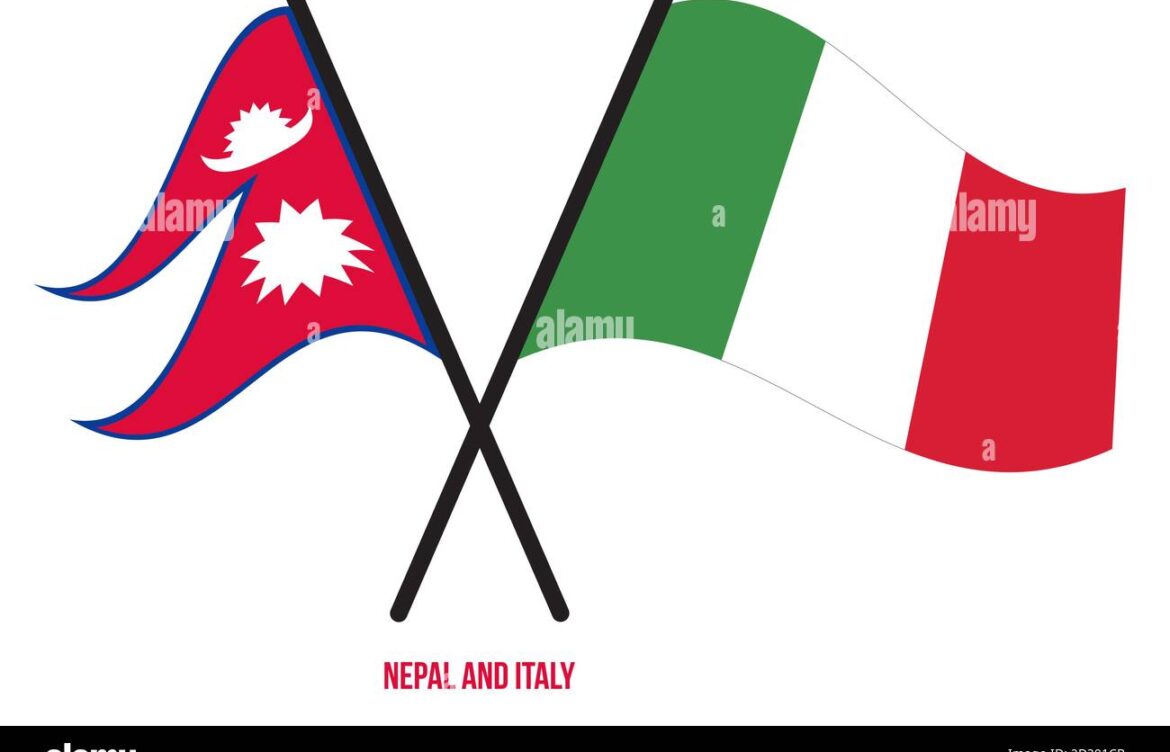
Nepal vs Italy: A Cultural and Economic Comparison
Introduction
The ongoing interplay between cultures and economies of different nations presents a rich tapestry worthy of exploration. This is particularly evident in the contrasting landscapes of Nepal, a landlocked country in South Asia known for its majestic mountains and rich traditions, and Italy, a European powerhouse famous for its art, history, and cuisine. Understanding the differences and unique attributes of these two countries is essential, given their distinct contributions to the global community.
Cultural Overview
Nepal boasts a diverse cultural heritage shaped by its many ethnic groups and religions. The predominant culture incorporates Hindu and Buddhist traditions, reflected in its festivals, art, and daily practices. Major celebrations include Dashain and Tihar, which highlight the importance of family, reverence for deities, and community.
In contrast, Italy is known for its profound influence on art, architecture, and fashion, primarily rooted in the legacy of the Roman Empire and the Renaissance. Italian traditions, illustrated through the culinary arts, emphasize the importance of family meals, regional recipes, and quality local produce.
Economic Context
Economically, Italy is one of the largest economies in Europe, characterized by a mixed capitalist system. It thrives on various sectors such as manufacturing, services, and agriculture. The Italian economy is also well-known for luxury goods, automotive production, and a rich tourism sector.
Nepal is classified as a developing economy, heavily reliant on agriculture, remittances from abroad, and tourism, particularly for trekking in the Himalayas. Despite its potential, Nepal faces challenges such as political instability and infrastructure needs, but it is gradually enhancing its economic prospects through international cooperation and sustainable practices.
Recent Developments
In light of recent global events, both Nepal and Italy have experienced unique challenges due to the COVID-19 pandemic. Italy, being one of the early hotspots in Europe, faced significant impacts on its economy, leading to government interventions to support businesses and public health. Conversely, Nepal’s tourism sector was hit hard but is showing signs of recovery with increasing interest from travelers seeking less explored destinations.
Conclusion
As we compare Nepal and Italy, we discover that despite their striking differences in culture, economy, and global standing, both nations contribute uniquely to the world’s fabric. The future might hold collaborative potentials, particularly in tourism, where both the rich artistic heritage of Italy and the breathtaking landscapes of Nepal can foster meaningful exchanges. Understanding these nations not only enhances our appreciation for cultural diversity but also promotes international cooperation and dialogue.