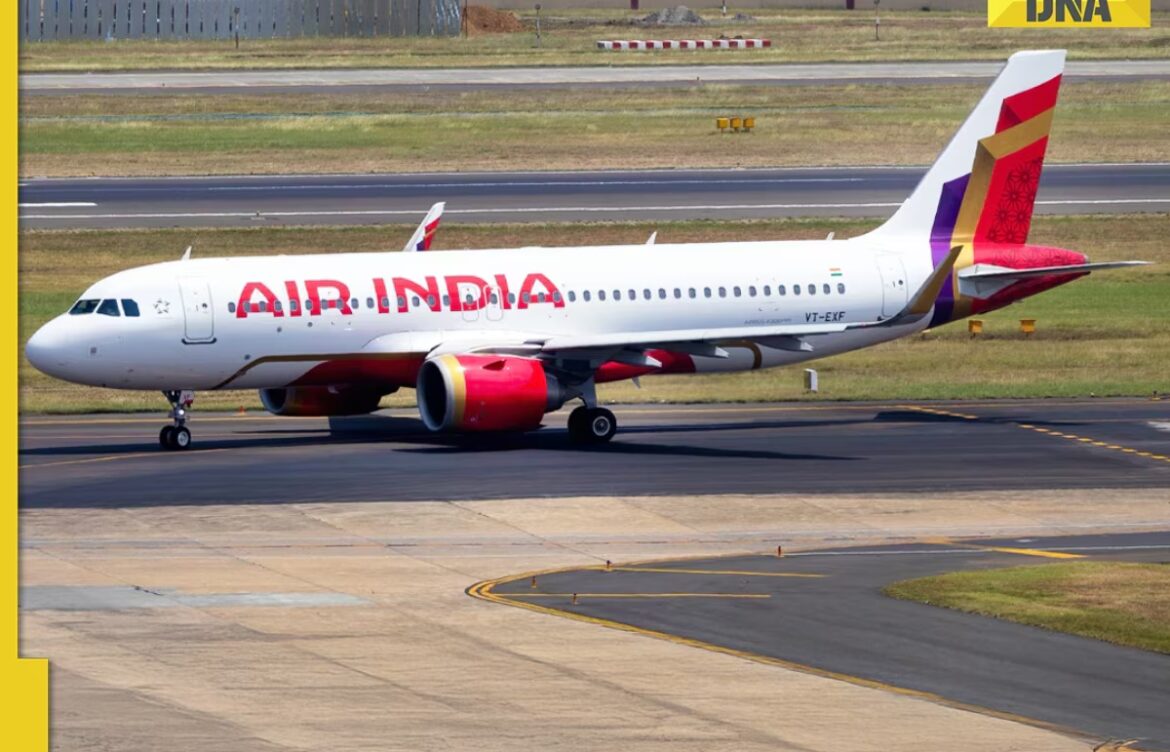
Navigating the Future: Key Developments in the Airline Industry
Introduction
The airline industry plays a crucial role in global transportation, connecting people and goods across vast distances. With the enduring impacts of the COVID-19 pandemic and the ongoing shifts in passenger preferences, understanding current trends is essential for industry stakeholders. As we move into 2023, several key developments highlight the resilience and adaptability of airlines worldwide.
Current Trends in the Airline Industry
As the world continues to recover from the pandemic, the airline industry is witnessing a resurgence in air travel demand. In a recent report by the International Air Transport Association (IATA), global passenger numbers are anticipated to reach 83% of pre-pandemic levels by the end of 2023, with a full recovery expected by 2024. Airlines are taking strategic steps to accommodate this booming demand.
One significant trend is the emphasis on sustainability and environmental initiatives. Airlines are increasingly investing in fuel-efficient aircraft, implementing carbon offset programs, and exploring sustainable aviation fuel (SAF) options. Major carriers, such as Delta and United, have pledged to achieve net-zero emissions by 2050, reflecting a growing commitment to environmental stewardship.
Another important aspect is the diversification of travel offerings. With the rise of remote work, airlines are capitalizing on the increasing demand for flexible travel options, such as leisure travel packages and long-term rentals. This shift is not only helping airlines increase revenue but also attracting new customer segments seeking a blend of work and leisure.
Challenges Facing the Industry
Despite the optimism, challenges persist in the airline sector. Staff shortages remain a critical issue, as many airlines are struggling to hire and retain workers following massive layoffs during the pandemic. According to reports, some airlines have had to reduce flight schedules due to a lack of personnel, impacting service availability and customer satisfaction.
Operational costs are also under pressure. Rising fuel prices and inflation have heightened concerns regarding profit margins. Airlines are focusing on cost-saving measures, including renegotiating contracts and optimizing operations, to weather these financial hurdles.
Conclusion
The airline industry is poised for a dynamic year ahead, characterized by recovery, innovation, and sustainability. As airlines adapt to changing consumer preferences and environmental demands, staying informed on these trends is essential for travelers and industry professionals alike. Looking ahead, the continued evolution of the airline sector will influence global connectivity and economic growth, making it a subject worth monitoring closely.