Naseem shah cricketer: Lahore’s Faces Historic Fine for Social Media Post
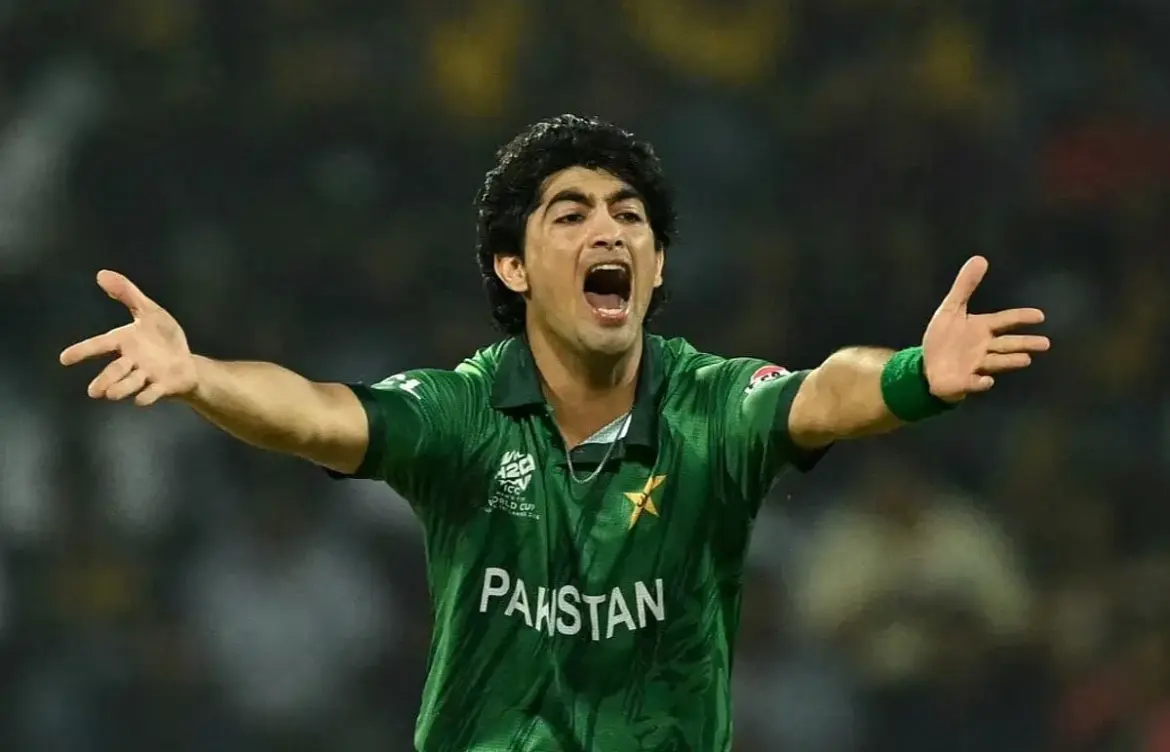
What happens when a rising star in cricket crosses a line on social media? For Naseem Shah, the young cricketer from Lahore, this question has taken on a significant weight after he was fined PKR 20 million by the Pakistan Cricket Board (PCB) for a sarcastic remark about Punjab Chief Minister Maryam Nawaz. This fine is not just any penalty; it is the largest in Pakistan’s cricket history, raising eyebrows and sparking discussions about the implications for athletes in the digital age.
The incident unfolded during the opening match of the Pakistan Super League on March 27, 2026. Naseem’s post, which he later claimed was made by a hacked account, drew immediate backlash. Following the controversy, he deleted the post and stated that he had terminated his social media manager, taking responsibility for the misstep. However, the PCB’s reaction was swift and severe, imposing a fine that many, including former cricketer Younis Khan, have criticized as excessive.
Younis Khan voiced his concerns, suggesting that the PCB could have opted for a warning instead of such a hefty fine, especially after Naseem’s apology and explanation. “Once Naseem had apologised for the tweet and also made it clear his social media manager was behind it and he had fired him, now the board could have let Naseem off with a warning and much lesser fine,” Khan remarked. His comments reflect a growing sentiment among fans and former players that the punishment may not fit the crime.
Adding to the drama, former cricketer Basit Ali revealed that Naseem was initially facing a potential two-year ban, a recommendation that was ultimately not enforced. This revelation highlights the precarious balance between maintaining discipline in sports and supporting young athletes who may err in judgment. The PCB’s decision to fine Naseem has also led to the introduction of new guidelines prohibiting political posts by players on social media, indicating a shift in how the governing body intends to manage its players’ public personas.
Naseem Shah has already made a name for himself on the field, taking 152 wickets for Pakistan across all formats. His talent is undeniable, but this incident raises questions about how such controversies can impact a player’s career trajectory. The fine and subsequent guidelines may serve as a warning to other players about the potential repercussions of their online presence.
As the cricket community watches closely, the future remains uncertain for Naseem. While he has expressed remorse, the long-term effects of this incident on his career and public image are yet to be seen. The PCB’s decision to blacklist Naseem’s social media manager also underscores the seriousness with which they are treating the matter, aiming to prevent similar occurrences in the future.
In a sport where public perception can be as crucial as performance, Naseem’s experience serves as a reminder of the responsibilities athletes hold beyond the pitch. As discussions continue about the appropriateness of the fine and the guidelines introduced, one thing is clear: the intersection of sports and social media is a complex landscape that requires careful navigation.