NASA Satellite Crash: Van Allen Probe A Set for Re-Entry
NASA Satellite Crash: Van Allen Probe A Set for Re-Entry
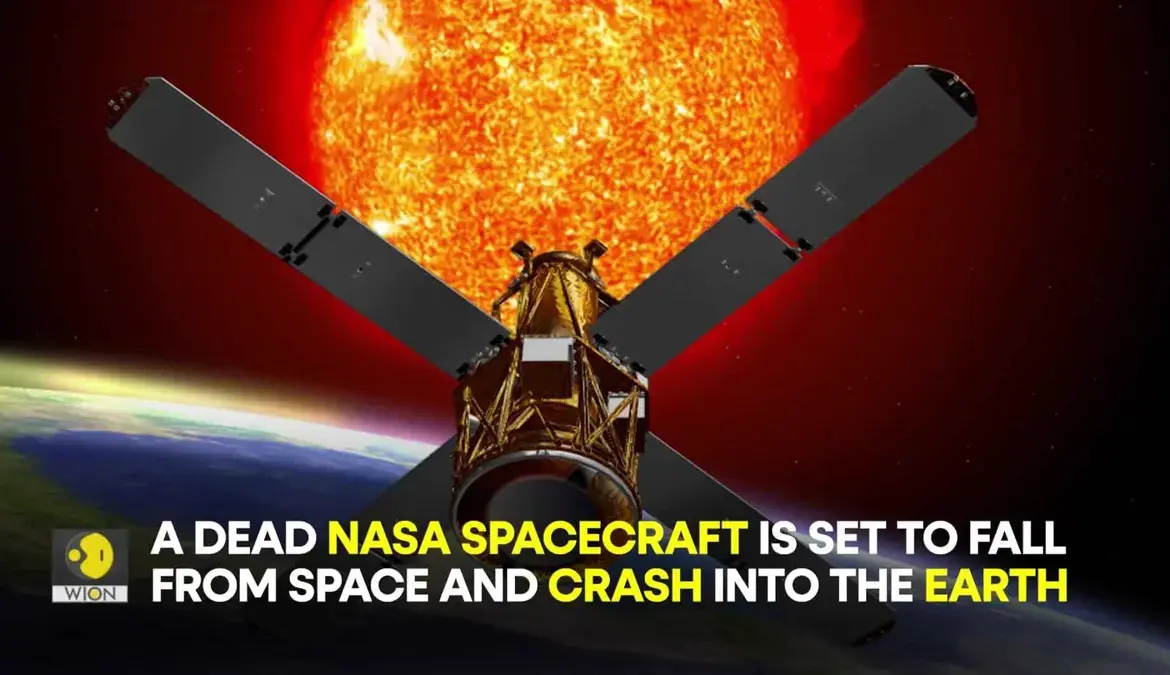
The Van Allen Probe A satellite is expected to re-enter Earth’s atmosphere on March 10, 2026, after 14 years in orbit. NASA has assessed that the risk of any danger from the satellite is low, with a probability of approximately one in 4,200 for injury from debris.
Launched on August 30, 2012, the Van Allen Probe A was designed to study the Van Allen radiation belts surrounding Earth. Weighing about 600 kg (1,323 pounds), the satellite was part of a mission that originally aimed for a two-year duration but successfully operated for nearly seven years before running out of fuel in 2019.
Nelofar Mosavi, a mission scientist, noted, “This mission … broke all the records for a spacecraft to tolerate and operate in that hazardous region, all with no interruptions.” This highlights the significant achievements of the Van Allen Probes in advancing our understanding of space weather and its effects on Earth.
As the satellite approaches its re-entry, NASA predicts that most of the spacecraft will burn up upon entering the atmosphere. However, some components may survive the descent. Jonathan McDowell, an astrophysicist, remarked, “For the average person, it will be a nice light in the sky if you get lucky and, otherwise, don’t worry about it.” This suggests that while the event may be visually striking, the public should not be alarmed.
The trajectory of the Van Allen Probe A has changed due to increased solar activity, causing it to descend sooner than initially expected. Mark Matney, a NASA orbital debris expert, reassured the public by stating, “The odds that you will be hit are one in several trillion, so quite low for any particular person.” This further emphasizes the minimal risk associated with the satellite’s re-entry.
Details remain unconfirmed regarding the exact location within Earth’s atmosphere where the satellite is projected to re-enter. Additionally, the timing of the re-entry may vary by as much as 24 hours, adding some uncertainty to the event.
The Van Allen Probes were launched to study the radiation belts around Earth, contributing valuable data to the field of space science. As the re-entry date approaches, observers and scientists alike will be monitoring the situation closely, awaiting further updates from NASA and the US Space Force.