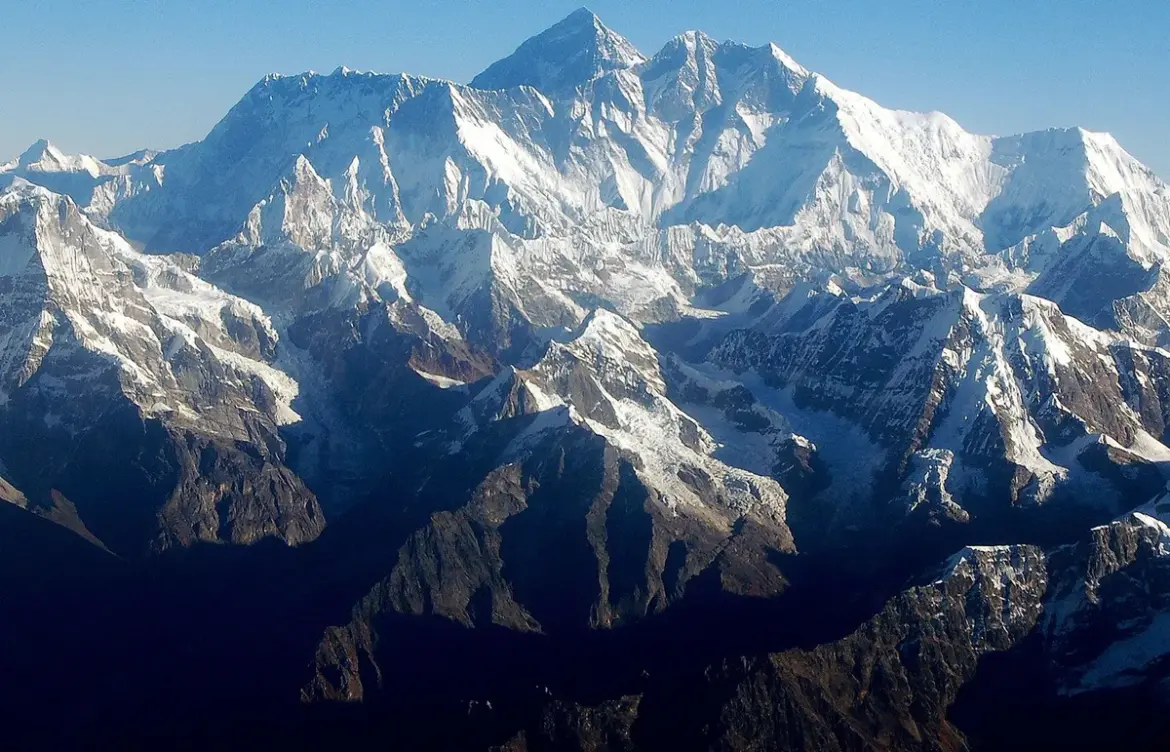
Mount Everest: Major Insurance Scam Uncovered
The wider picture
The majestic Mount Everest, known as the roof of the world, has long been a beacon for climbers and adventurers from across the globe. However, the recent revelation of a $20 million insurance scam has cast a shadow over Nepal’s reputation in the climbing community. This scandal, which allegedly involved staged rescues and fraudulent insurance claims, has raised serious questions about the integrity of the industry that supports thousands of climbers each year.
In early April 2026, Nepal’s Central Investigation Bureau announced the arrest of ten individuals connected to this elaborate scheme. The investigation revealed that 32 guides had been charged, with nearly 4,800 international climbers treated at hospitals implicated in the scam between 2022 and 2025. The fraudulent activities included faking documents and forging passenger and cargo manifests, leading to a systematic defrauding of foreign tourists.
According to a spokesperson from the Central Investigation Bureau, “Foreign tourists were systematically defrauded.” This statement underscores the gravity of the situation and the potential impact on Nepal’s tourism sector, which heavily relies on the allure of Everest and its surrounding peaks.
Further complicating matters, some guides allegedly resorted to poisoning clients to create fake emergencies, enabling them to file fraudulent insurance claims. The Nepali government is now investigating fraudulent helicopter rescues that total approximately $19 million. As the investigation unfolds, the full extent of the scam and the number of individuals involved remains unclear. Details remain unconfirmed.
In the wake of these events, Balendra Shah, who became Prime Minister of Nepal in March 2026, has expressed a commitment to reforming the Everest climbing industry. His administration is expected to implement measures aimed at enhancing safety and transparency in the sector. As part of these reforms, the use of drones for transporting supplies on Everest has been introduced, reflecting a shift towards modernizing climbing logistics.
Meanwhile, climbers like Kristin Harila are pushing the boundaries of adventure, attempting a no-oxygen ascent of Everest, Lhotse, and Nuptse in 2026. Additionally, a Romanian climber is undertaking a remarkable journey, walking nearly 1,300 miles from sea level to Everest, showcasing the enduring spirit of adventure that Everest inspires.
Local climbers are also taking initiative, planning an adventure called Summit to Sea, aimed at raising awareness for river health. Ang Tshering Lama, involved in this initiative, noted, “The biggest challenge for us is going to be avoiding bandits along the river in India,” highlighting the various challenges faced by adventurers in the region.
As the investigation into the insurance scam continues, observers and officials are keenly watching for further developments. The hope is that the unfolding situation will lead to a safer and more reputable climbing experience for all who seek to conquer the heights of Mount Everest.