Microsoft Copilot Entertainment Purposes: A Community Perspective
How it unfolded
In early 2026, Microsoft made headlines with a significant update regarding its Copilot product. Just before this announcement, the tech giant had been promoting Copilot as a revolutionary tool designed to enhance productivity across its suite of 365 applications. However, the narrative took a turn when Microsoft explicitly stated that Copilot is intended for “entertainment purposes only.” This shift raised eyebrows among users and industry observers alike.
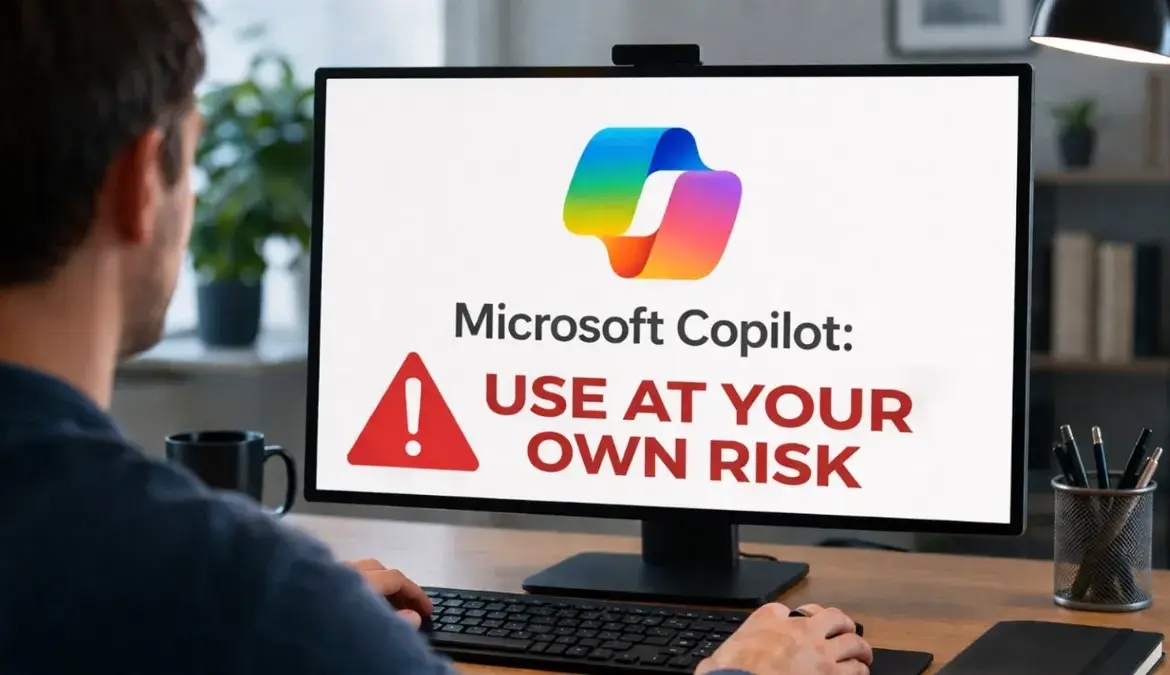
On April 5, 2026, Microsoft reiterated its stance, emphasizing that users should approach Copilot with caution, as it is not a reliable source for critical advice. The company warned that Copilot could make mistakes and may not function as intended, urging users to “use Copilot at your own risk.” This disclaimer has since circulated widely on social media, prompting discussions about the implications of using AI tools in everyday tasks.
Prior to this, Microsoft had updated its terms of use in October 2025, which included the now-famous disclaimer about Copilot’s limitations. A spokesperson for Microsoft acknowledged that the wording in these terms was considered “legacy language” and indicated that revisions were forthcoming. This admission reflects a growing awareness within the company of the need to communicate more clearly about the capabilities and limitations of AI technologies.
Despite the cautionary messages, Microsoft CEO Judson Althoff noted that the company had achieved “some pretty big audacious goals” in selling Copilot in the last quarter. However, the reality is that as of December 31, 2025, only 3 percent of Microsoft customers were paying for Copilot, indicating a potential disconnect between the company’s ambitions and user adoption.
Interestingly, Microsoft has launched 78 different products under the Copilot name, showcasing its commitment to integrating AI across various platforms. Among these is Copilot Cowork, aimed at boosting productivity with AI assistance. Yet, the emphasis on entertainment purposes raises questions about how users perceive these tools and their intended use.
The community’s response has been mixed. While some users appreciate the entertainment aspect of Copilot, others express concern over relying on a tool that is not designed for serious tasks. Similar disclaimers are common among AI providers, highlighting a broader industry trend where companies are grappling with the accuracy and reliability of their models.
As Microsoft navigates this complex landscape, the conversation around Copilot serves as a reminder of the importance of transparency in technology. Users are encouraged to engage with these tools thoughtfully, understanding both their potential and their pitfalls. The ongoing dialogue about Copilot’s role in productivity and entertainment will likely shape how AI is integrated into daily life moving forward.
Details remain unconfirmed about future updates to Copilot’s functionality, but the community remains hopeful for improvements that align with user needs and expectations. As Microsoft continues to refine its approach, the impact of Copilot on productivity and entertainment will be closely watched by both users and industry experts alike.