LPG Gas Shortage: Understanding the Current Situation in India
What the data shows
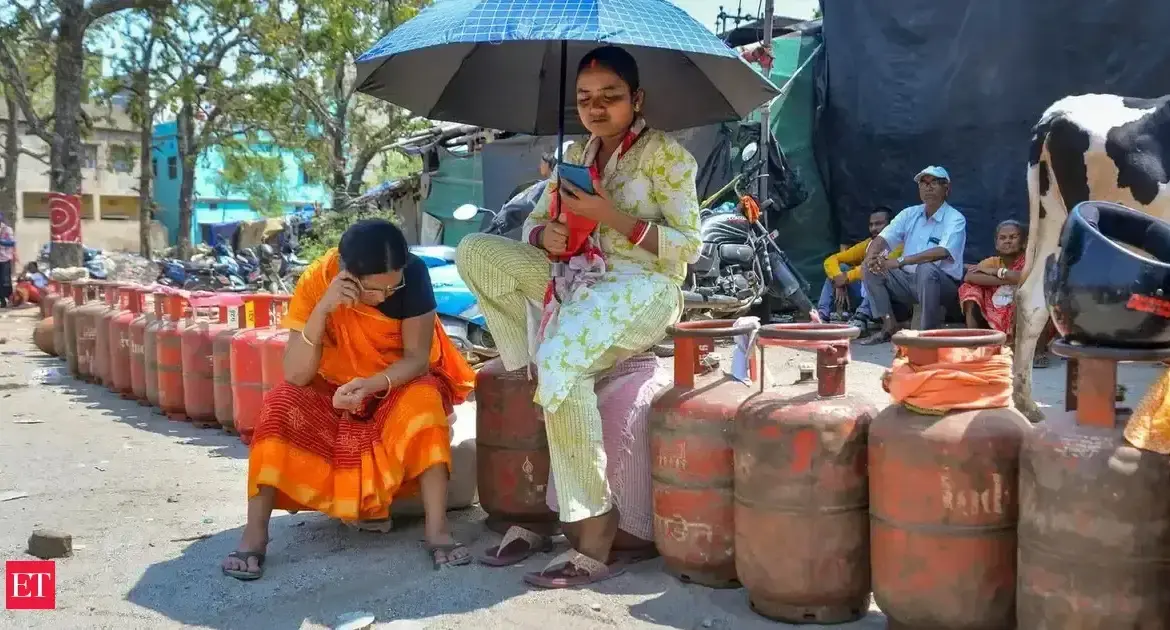
The recent surge in panic ordering has led many to question: Is there really an LPG gas shortage in India? The answer, according to government officials, is a resounding no. Sujata Sharma, Joint Secretary (Marketing & Oil Refinery) at the Ministry of Petroleum and Natural Gas, stated, “There is no shortage of LPG at any distributorship.” This assurance comes as the government has ramped up domestic refinery production by 40 percent, increasing daily LPG output to 50 thousand metric tonnes.
Despite the spike in demand, which reached 89 lakh cylinders due to panic buying, the situation has stabilized. Oil companies are now successfully delivering over 50 lakh cylinders every day, and the Ministry has confirmed that all retail fuel outlets have sufficient supplies of LPG. This is a significant relief for households across the nation, particularly as the prices of LPG cylinders remain consistent, with rates in major cities like Delhi and Mumbai at ₹913 per cylinder.
India’s reliance on imports is noteworthy, as the country meets over 40 percent of its crude imports and 90 percent of its LPG imports from West Asian countries. However, the current stock levels are reassuring; India has enough petrol, diesel, and LPG for nearly 60 days, with a total storage capacity of about 74 days for crude oil and fuel. This robust supply chain is crucial for maintaining energy security in the country.
Officials have urged citizens not to be misled by what they describe as a “deliberately mischievous, coordinated campaign of misinformation.” The message is clear: there is no need to panic. Every Indian refinery is reportedly operating at over 100 percent utilization, ensuring that the supply chain remains intact. The government is actively monitoring the situation to prevent any disruptions.
As the demand for LPG stabilizes, approximately 26 states have allocated 22,000 tons of commercial LPG nationwide to meet the needs of businesses and households alike. This collaborative effort among states reflects a community-focused approach to ensure that everyone has access to essential energy resources.
Looking ahead, the government remains vigilant. While the current situation appears stable, officials continue to monitor the market closely to ensure that supply meets demand without further disruptions. The reassurance from the Ministry of Petroleum and Natural Gas is a crucial step in alleviating public concerns and fostering trust in the energy supply system.
In summary, while the initial panic may have caused some uncertainty, the data clearly shows that India is well-equipped to handle its LPG needs. With sufficient stock and a commitment from the government to maintain supply, the community can rest assured that there is no LPG gas shortage in sight. Details remain unconfirmed, but the outlook remains positive as authorities work to keep the public informed and calm.