कच्चे तेल का मूल्य: Rising Tensions Drive Prices Above ₹100
Crude Oil Prices Surge Amid Rising Tensions
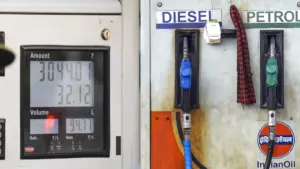
Crude oil prices have surpassed ₹100 due to rising tensions in the Strait of Hormuz between Iran and the United States. As of March 9, 2026, Brent crude oil reached over $114 per barrel, marking the highest level since 2022. This significant increase in oil prices is raising concerns among consumers and businesses alike, as the Strait of Hormuz is a critical chokepoint for approximately 20% of the world’s oil supply.
Immediate Circumstances and Market Reactions
The geopolitical climate in the region has intensified, with reports indicating that Iran possesses thousands of naval mines and has the capability to deploy them in the Strait of Hormuz. This development has led to fears of potential disruptions in oil supply, prompting a surge in market prices. Donald Trump commented on the situation, stating, “If mines are laid or not removed, there will be ‘unpredictable military consequences.'” The market is likely to continue to include a premium for geopolitical instability, further driving up oil prices.
Impact on Indian Oil Companies
Fitch Ratings has warned that if the Strait of Hormuz is blocked or oil prices remain high, the credit strength of Indian oil companies could weaken. Among these companies, BPCL is considered the strongest in terms of financial reserves, while GAIL may face increased debt levels due to difficulties in natural gas supply from the Middle East. If LNG supply from the region is cut by a quarter, GAIL’s debt-to-earnings ratio could rise to 2.5 times by FY27.
Broader Economic Implications
The geopolitical instability is directly affecting the cash flow of India’s major oil companies. With Brent crude prices projected to remain volatile, the outlook for India’s energy firms will heavily depend on the changing geopolitical situation in the Middle East. Reliance Industries, with a market cap of ₹18.9 trillion, and BPCL, valued at ₹1.44 trillion, are among the companies closely monitoring these developments.
Historical Context of Oil Prices
The Strait of Hormuz has historically been a significant energy lifeline, and geopolitical tensions have often impacted oil prices. The current situation is reminiscent of past conflicts that have led to similar spikes in oil prices, affecting global markets and economies. As tensions escalate, the potential for further disruptions looms large, prompting stakeholders to prepare for various scenarios.
First Reactions and Future Outlook
As the situation unfolds, industry experts and analysts are keeping a close eye on the developments in the Strait of Hormuz. The market’s response to these tensions will likely influence oil prices in the coming weeks and months. While some analysts predict a return to stability, others caution that the geopolitical landscape remains unpredictable.
Details remain unconfirmed regarding the extent of military actions or further developments in the region. However, the implications of these tensions on global oil prices and the energy sector are becoming increasingly evident, with stakeholders urging caution as they navigate this volatile environment.