Kannada: The Rise of Comedy: Harman Preet Singh’s Impact
Harman Preet Singh’s Perspective on Performance
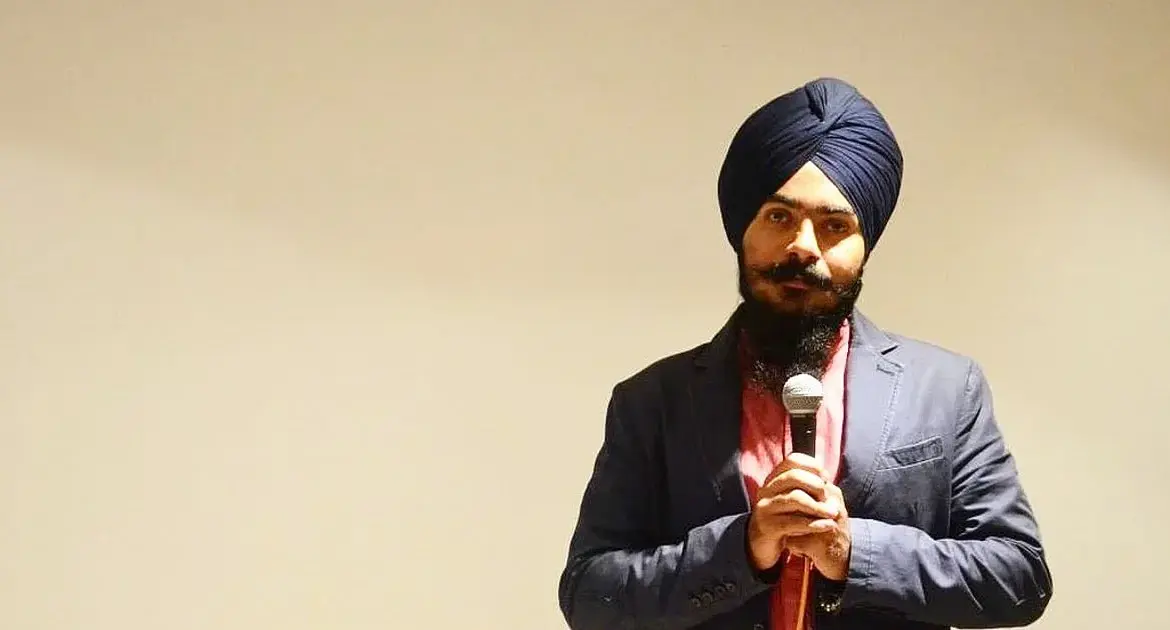
“I thought about it in two frames only: how I look and how I want to be perceived,” said Harman Preet Singh, a prominent figure in the Kannada comedy scene. Singh’s approach to comedy is not just about making people laugh; it also involves navigating the complexities of cultural identity and audience expectations.
The Growth of Kannada Comedy
Singh, who performs in Kannada, Hindi, and English, has co-founded the Underground Comedy Club in Bengaluru, a hub for emerging comedians. His set titled ‘Heart Alli Kaveri’ is a testament to his unique style and has garnered significant attention, with a duration of 12 minutes that features 60% Kannada and 40% Kannada gothilla. The set is available on YouTube, showcasing his ability to connect with diverse audiences.
Social Media Impact
One of Singh’s most popular bits, “Should North Indians Learn Kannada,” has amassed 3.5 million views on Instagram, highlighting the growing interest in Kannada language and culture among younger audiences. Singh noted, “I got a little hate from both sides, but I realised that this is just part and parcel of being on the internet.” This reflects the challenges comedians face in a digital age where their work can provoke polarized reactions.
Historical Context of Kannada Adaptations
The significance of Kannada in the arts extends beyond contemporary comedy. Historical adaptations of Shakespeare’s works into Kannada date back to the 19th century, with DV Gundappa’s translation of Macbeth in 1936 being the first faithful rendition. Such adaptations have paved the way for a rich cultural dialogue, as noted by Roopa Pai, who remarked, “Forsooth, the versatile Bard still lives and thrives in Kasturi Kannada.”
Challenges and Resilience
Despite his success, Singh has faced challenges, including receiving death threats that led to the cancellation of a show in Chennai. This incident underscores the risks involved in performing comedy that touches on sensitive cultural topics. Singh reflected on this experience, stating, “It was never my plan to perform in Kannada, but Kamath, Kashyap and a bunch of other comics were quite open to me performing.” This openness has allowed for a more inclusive comedy scene in Bengaluru.
Future of Kannada Comedy
As Kannada comedy continues to evolve, it is likely to draw from both historical influences and contemporary issues. The integration of traditional elements with modern humor is a trend that could shape the future of the genre. With figures like Singh at the forefront, the Kannada language is gaining visibility in the entertainment industry, fostering a new appreciation for its cultural richness.
As the landscape of Kannada comedy expands, it remains to be seen how it will adapt and grow. The fusion of historical context with modern performance styles presents an exciting opportunity for both comedians and audiences alike. Details remain unconfirmed regarding upcoming projects, but the momentum behind Kannada comedy is undeniable.