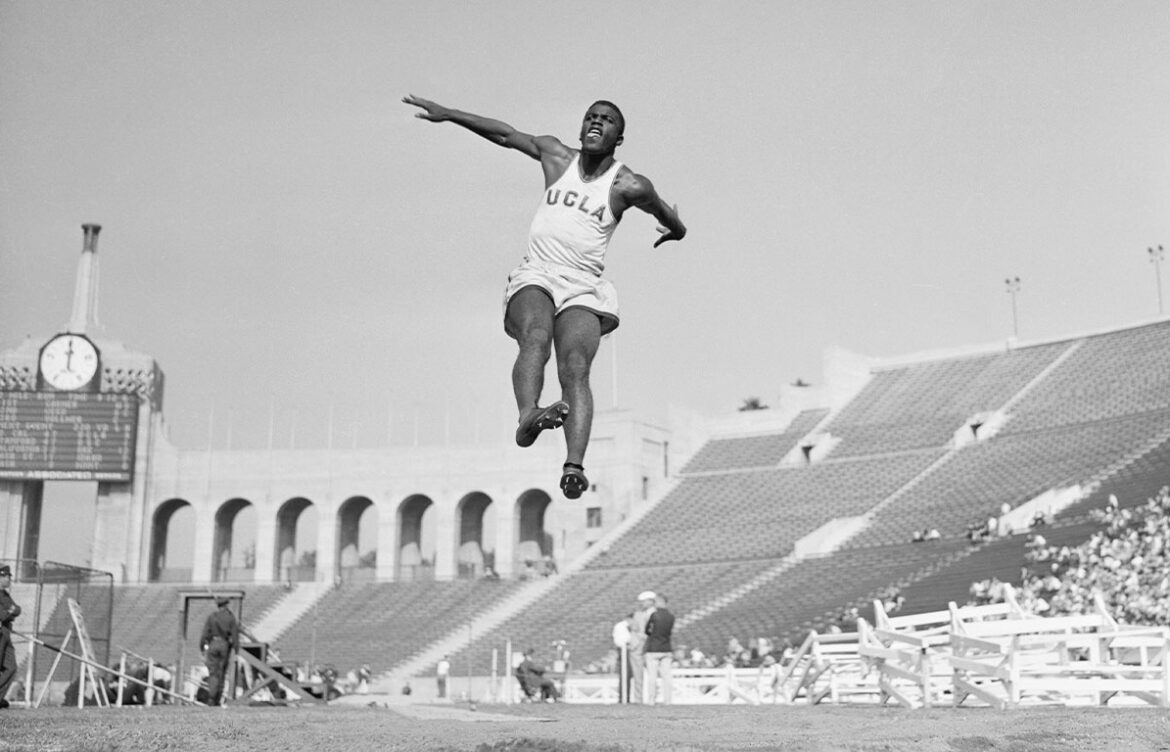
Jackie Robinson: Breaking Barriers in Baseball and Society
Introduction
Jackie Robinson, a name synonymous with courage and breakthrough, marked a pivotal chapter in American sports history. As the first African American to play in Major League Baseball (MLB), Robinson not only transformed the landscape of the sport but also played an instrumental role in the civil rights movement. His debut in 1947 with the Brooklyn Dodgers signified a major leap toward racial integration in America, making his legacy profoundly relevant in today’s discussions on equality and social justice.
Historical Context
Before Jackie Robinson, Major League Baseball was segregated, with African American players largely restricted to the Negro Leagues. The societal pressures of the era belied the immense talent that existed in these leagues. Robinson’s signing by the Dodgers was a bold move by team president Branch Rickey, who understood the potential impact of racially integrated sports. On April 15, 1947, Robinson stepped onto Ebbets Field, shattering the color barrier in baseball and igniting both controversy and hope across the nation.
Achievements and Impact
Robinson’s athletic prowess was undeniable. Over his ten-year career, he secured a batting average of .311, won the Rookie of the Year award in 1947, and was named the National League MVP in 1949. He was a six-time All-Star and was inducted into the Baseball Hall of Fame in 1962. Off the field, his courage in the face of racism paved the way for future generations of athletes. Robinson faced hostility and threats but maintained his composure, becoming a symbol of resilience and an inspiration for civil rights activists.
Legacy and Continued Relevance
Today, Jackie Robinson’s legacy extends beyond baseball. His example continues to resonate, particularly as we navigate issues of race and equality in society. Major League Baseball celebrates Jackie Robinson Day every April 15th, honoring his contributions to the sport and his role in the struggle for civil rights. His story serves as a reminder of the importance of breaking down barriers and advocating for justice in all facets of life.
Conclusion
Jackie Robinson’s influence is still felt across various fields today, inspiring countless movements for equality. As we reflect on his achievements, we are reminded of the ongoing battles against racism and discrimination. His journey illustrates that sports can be a powerful platform for social change, encouraging us all to carry forward the torch of progress in the spirit of Robinson’s enduring legacy.