Jackie Robinson: A Trailblazer in Baseball and Beyond
The Importance of Jackie Robinson
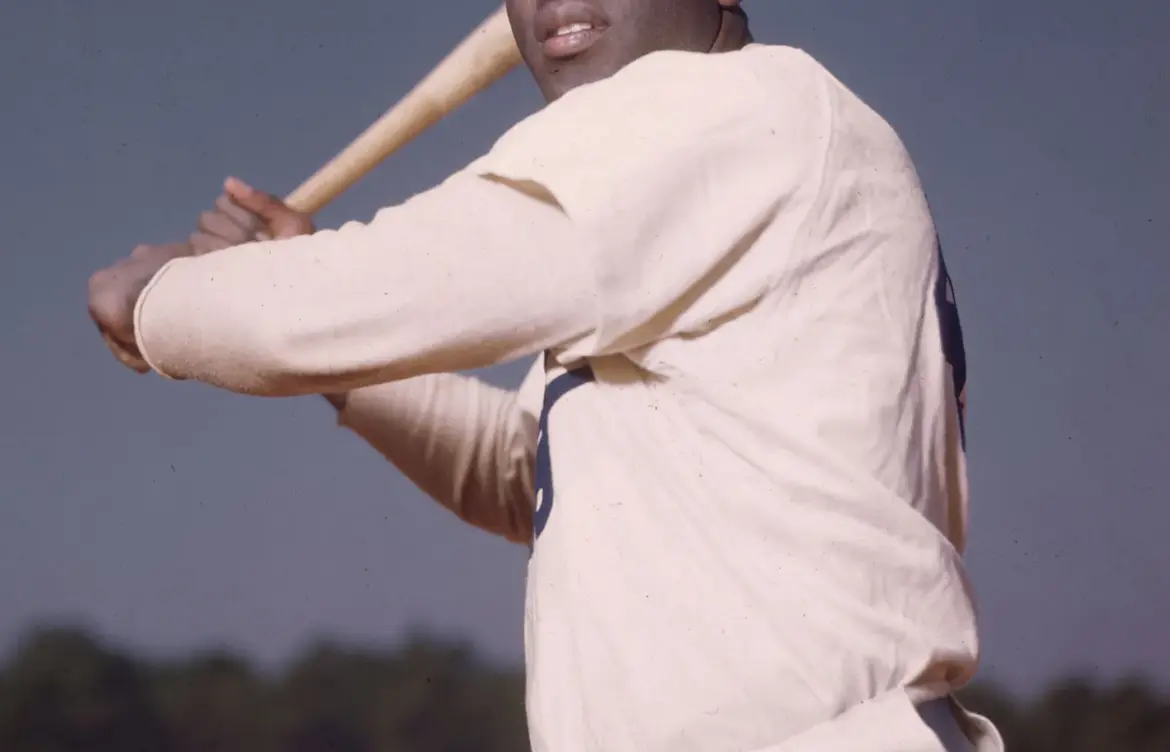
Jackie Robinson is a celebrated figure in American history, not only for his contributions to baseball but also for his pivotal role in the civil rights movement. In 1947, Robinson became the first African American to play in Major League Baseball (MLB) in the modern era, shattering the color barrier that had kept black athletes from competing in the sport. His story is a compelling reminder of the intersection between sports and social justice, making his legacy profoundly relevant today.
Robinson’s Historic MLB Debut
On April 15, 1947, Jackie Robinson made his debut with the Brooklyn Dodgers, wearing number 42. This momentous occasion not only transformed Robinson’s life, but it also changed the face of baseball forever. Despite facing intense racism and hostility both from fans and opponents, Robinson excelled on the field. In his rookie season, he won the National League Rookie of the Year award and helped lead the Dodgers to the World Series.
Civil Rights Advocacy
Beyond his athletic achievements, Robinson was a passionate advocate for civil rights. He understood that his success extended beyond the baseball diamond; he had an opportunity to influence public perception about race in America. After retiring from baseball in 1956, Robinson continued to fight for racial equality, engaging in various civil rights initiatives and serving as a spokesperson for African American rights. He was active in the NAACP and worked tirelessly to raise awareness about social injustices.
Lasting Impact
Jackie Robinson’s influence continues to be felt in today’s society. His number 42 has been universally retired across MLB since 1997, ensuring that no player will wear it again. Every year, baseball celebrates Jackie Robinson Day on April 15, when all players wear the number 42 to honor his legacy. In schools and communities, Robinson serves as a symbol of perseverance and courage in the face of adversity, inspiring young athletes to not only pursue their passions but also stand up for what’s right.
Conclusion
Jackie Robinson’s contributions to baseball and civil rights are an enduring reminder of the power of sports as a platform for change. His legacy goes beyond baseball statistics; it serves as a testament to resilience, hope, and the continuous struggle for equality. As we reflect on his remarkable life and achievements, it becomes clear that Jackie Robinson’s story will continue to inspire future generations to break barriers and fight for justice.