Israel’s Attack in Lebanon Leads to Casualties and Calls for Internal Dialogue
“Lebanon’s government is responsible for stopping direct talks with Israel’s enemy,” said Nayem Qasim following a recent attack that left five people dead and twenty-one injured in Lebanon.
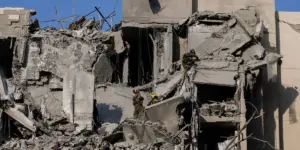
The tragic event unfolded on April 28, 2026, when Israel launched an assault on Jeebchit, a town in southern Lebanon. Among the injured were four children and nine women, highlighting the devastating impact of such violence on innocent lives.
This attack marks a serious violation of a ten-day ceasefire, further escalating tensions in the region. The Lebanese health ministry has confirmed these casualties, emphasizing the need for urgent humanitarian responses.
In light of this violence, Hezbollah has called upon the Lebanese government to promote internal dialogue to address the situation. This comes amid ongoing concerns about rising hostility towards Christian communities in Gaza, the West Bank, and southern Lebanon.
Meanwhile, U.S. President Donald Trump addressed the situation regarding Iran, stating, “Iran wants to make a deal, but I am not satisfied.” His comments reflect ongoing geopolitical complexities that affect local conflicts.
The historical context of conflict between Israel and Lebanon adds weight to these developments. The region has seen numerous violations of ceasefires over the years, which only deepens mistrust among communities.
The next steps from both governments remain uncertain as they navigate this volatile landscape. For now, local leaders are emphasizing dialogue as a means to prevent further escalation.