Is Dhurandhar a Real Story? Exploring the Truth Behind the Film
What observers say
The film Dhurandhar, particularly its sequel Dhurandhar 2, has sparked discussions about its authenticity, as it draws inspiration from real-life geopolitical events and conflicts between India and Pakistan. The narrative intertwines fictional characters with historical figures, creating a tapestry that reflects the complexities of regional tensions.
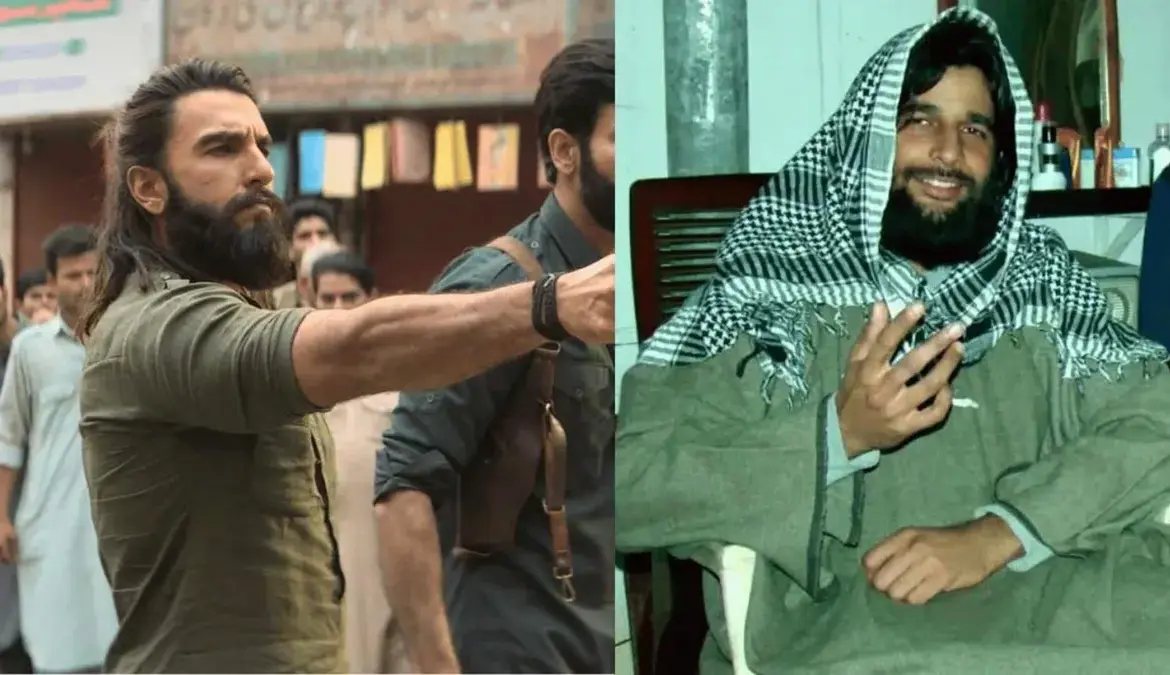
Major Iqbal, a central character in the film, is based on Ilyas Kashmiri, who was linked to the infamous 26/11 Mumbai attacks. This connection adds a layer of gravity to the storyline, as it evokes memories of one of the most significant terrorist incidents in Indian history. Additionally, the character of SP Chaudhry Aslam is inspired by a real-life police officer who tragically lost his life in a suicide car bombing, further grounding the film in reality.
Another notable character, Ajay Sanyal, is modeled after Ajit Doval, the National Security Advisor of India. This choice highlights the film’s engagement with contemporary political dynamics, as it portrays the challenges faced by security officials in a volatile environment. The inclusion of Jameel Jamali, based on Nabil Gabol, a former member of the National Assembly, adds a political dimension that resonates with viewers familiar with the region’s governance.
Moreover, the film’s narrative includes references to notorious figures such as Uzair Baloch, a real gangster, and Bade Sahab, who is based on the infamous Dawood Ibrahim. These portrayals not only enhance the film’s dramatic appeal but also reflect the ongoing struggles with crime and corruption in the region. The deaths of characters like Azam Cheema and Sajid Mir are rooted in actual events, which may leave audiences questioning the line between fiction and reality.
In the backdrop of these character arcs, the 2016 Indian banknote demonetisation plays a pivotal role in Hamza’s mission within Dhurandhar 2. This event, which aimed to curb black money and corruption, serves as a significant plot device, linking the film’s narrative to real economic policies that have affected millions. The first installment of the film, Dhurandhar 1, is inspired by the 1999 Kandahar Hijack, showcasing the filmmakers’ commitment to weaving historical events into their storytelling.
As the film unfolds, viewers are treated to a blend of action, drama, and political intrigue, all while grappling with the question of how much of this story is rooted in reality. Observers note that the film’s ability to resonate with current events enhances its relevance, prompting discussions about the impact of such narratives on public perception.
While the film’s characters and events draw from real-life inspirations, it is essential to recognize that the portrayal may be dramatized for cinematic effect. Details remain unconfirmed, but the intertwining of fact and fiction invites audiences to reflect on the complexities of the region’s history.
In summary, Dhurandhar stands as a compelling exploration of real-life figures and events, inviting viewers to engage with the narrative while considering the broader implications of its storytelling. As the film continues to garner attention, it remains to be seen how audiences will interpret the blend of fact and fiction presented on screen.