Iran Israel War Lockdown: A Community Perspective
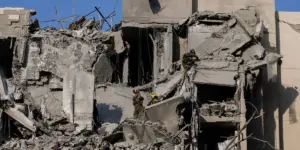
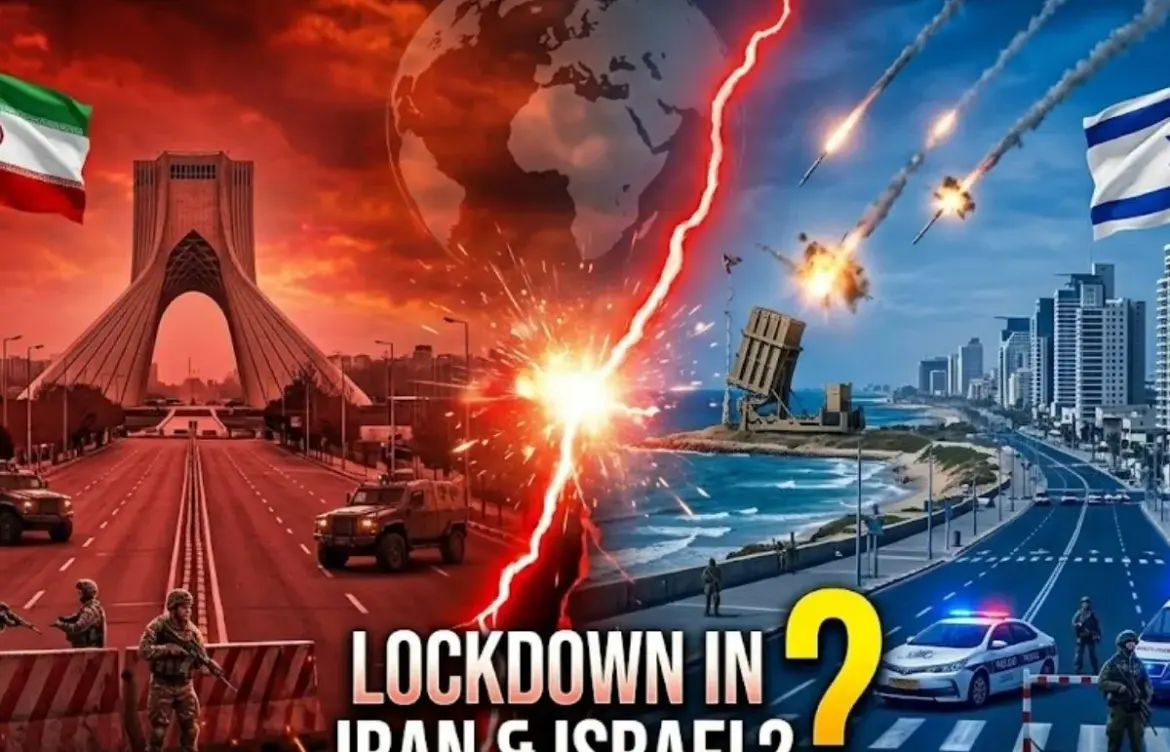
The Iran-Israel war, which escalated dramatically following the US and Israel’s assaults against Iran on February 28, has plunged the region into a state of turmoil. The assassination of Ayatollah Ali Khamenei marked a significant turning point, igniting a series of retaliatory strikes that have led to severe ‘de facto’ lockdowns in both Iran and Israel. As the conflict intensifies, communities are grappling with the harsh realities of air and missile strikes, infrastructure collapse, and travel bans that have disrupted daily life.
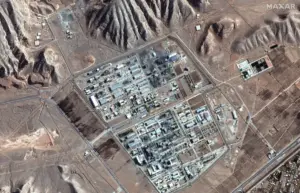
In Israel, while there is no official nationwide lockdown, the government has implemented strict guidelines that effectively create a partial lockdown in many areas. Public gatherings are limited to a maximum of 50 people, and residents are urged to remain vigilant as the nation operates under a state of high military alert. Meanwhile, Iran faces a different reality; the country is largely inaccessible for standard activity due to relentless airstrikes targeting its infrastructure and military facilities.
The situation has also severely impacted the Strait of Hormuz, a crucial maritime route through which 20% of the world’s oil passes. The ongoing conflict has led to a staggering 97% drop in traffic through this vital waterway, triggering a global oil supply shock that has sent Brent crude prices soaring to between $100 and $120 per barrel. The International Energy Agency has described this disruption as the largest in the history of the global oil market, highlighting the far-reaching implications of the conflict.
As of now, reports indicate that over 1,900 to 3,000 people have lost their lives in Iran, with at least 15 to 17 deaths reported in Israel since the conflict began. Additionally, the humanitarian toll extends to Lebanon, where approximately 1,000 deaths have been reported since Hezbollah entered the fray. The airspace across much of the Middle East remains heavily restricted or closed, leaving millions of passengers grounded and travelers stranded.
In light of these developments, leaders around the world are closely monitoring the situation. Russian President Vladimir Putin remarked, “The consequences of the conflict in the Middle East are still difficult to accurately predict,” drawing parallels to the global impact of the coronavirus epidemic. Indian Prime Minister Narendra Modi emphasized the need for readiness in the face of unforeseen challenges, stating, “The rapidly evolving geopolitical scenario demanded readiness for unforeseen challenges.” Meanwhile, the focus remains on ensuring an uninterrupted supply of petroleum products, liquefied petroleum gas, and fertilizers.
The wider picture
As communities in the region endure the effects of this conflict, panic has also spread beyond the immediate area. For instance, in India, rumors of a potential lockdown led to widespread concern, prompting the government to clarify that no such measures were planned. This reflects the interconnectedness of global markets and the ripple effects of regional conflicts on distant nations.
Details remain unconfirmed regarding the potential for a complete lockdown in either Iran or Israel, but the severe movement restrictions in place indicate that the situation remains fluid. Diplomatic efforts for a ceasefire continue, but the path to peace appears fraught with challenges as the conflict shows no signs of abating. Observers remain vigilant, hoping for a resolution that prioritizes the safety and well-being of communities caught in the crossfire.