Iran israel us war live
Escalation of the Iran-Israel-US War
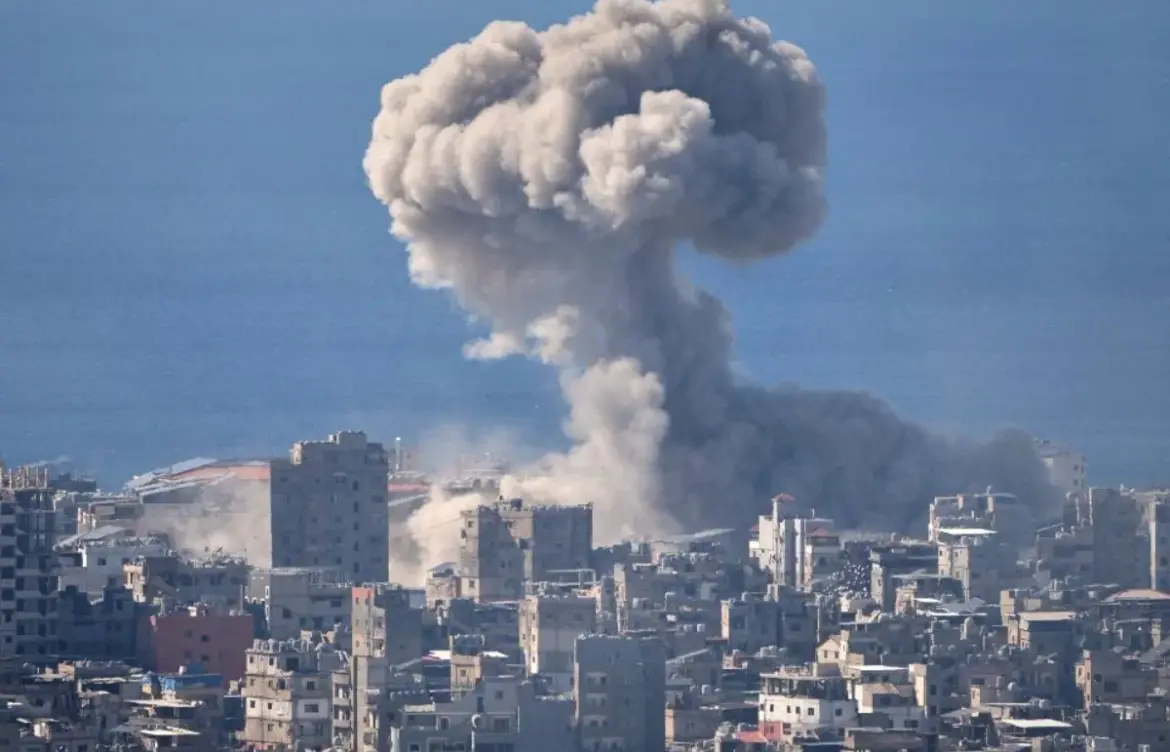
The Iran-Israel-US war has intensified as of March 11, 2026, following a series of military confrontations that began on February 28, 2026, after the assassination of Iran’s Supreme Leader and several high-ranking officials. This conflict has drawn in regional and international players, significantly affecting the geopolitical landscape of the Middle East.
Immediate Circumstances
In the wake of the conflict, Iran’s President Masoud Pezeshkian has outlined three specific conditions for a ceasefire: recognition of Iran’s rights, compensation for war damages, and guarantees against future attacks. He emphasized that military pressure alone will not resolve the war, indicating a need for diplomatic engagement.
Military Warnings and Civilian Impact
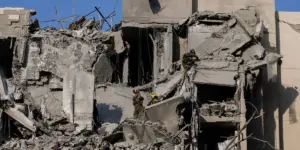
Iranian military officials have issued stark warnings that any assault on its ports could provoke a broader regional response, stating, “If our ports and docks are threatened, all ports and docks in the region will be our legitimate targets,” according to Abolfazl Shekarchi. The ongoing conflict has resulted in significant civilian casualties and widespread destruction of infrastructure within Iran, exacerbating the humanitarian crisis.
The war’s impact extends beyond immediate military engagements, severely affecting Iran’s economy, which is already struggling under the weight of international sanctions. The conflict has led to a spike in global oil prices, with Brent crude reaching $100 per barrel, further complicating the economic landscape for both Iran and its adversaries.
International Reactions
Israeli officials have expressed skepticism regarding the potential for the conflict to lead to the collapse of Iran’s political system, despite the military pressure being exerted. They believe that the resilience of Iran’s government structures may withstand the current onslaught, complicating any prospects for a swift resolution.
Statements from Iranian Leaders
Iran’s leadership has maintained a firm stance on the necessity of addressing the damages caused by the conflict. Mohammad-Bagher Ghalibaf, a key Iranian political figure, stated, “The aggressor must be punished and taught a lesson that will deter them from attacking Iran again.” This reflects a broader sentiment within Iran’s leadership that emphasizes retaliation and the need for international recognition of their grievances.
Wider Implications
The ongoing conflict has escalated tensions across the Middle East, affecting global shipping routes and energy markets. As the situation develops, the international community watches closely, with various nations weighing their responses to the evolving dynamics of the war.
Looking Ahead
As the war continues, the potential for diplomatic negotiations remains uncertain. Iran has reiterated its openness to peace talks, provided its conditions are met, but the path forward appears fraught with challenges. Details remain unconfirmed regarding the next steps from both military and diplomatic fronts as the situation evolves.