Indian Oil Gas Booking Faces Major Disruption Amid Surge in Demand
Significant Disruption in LPG Booking
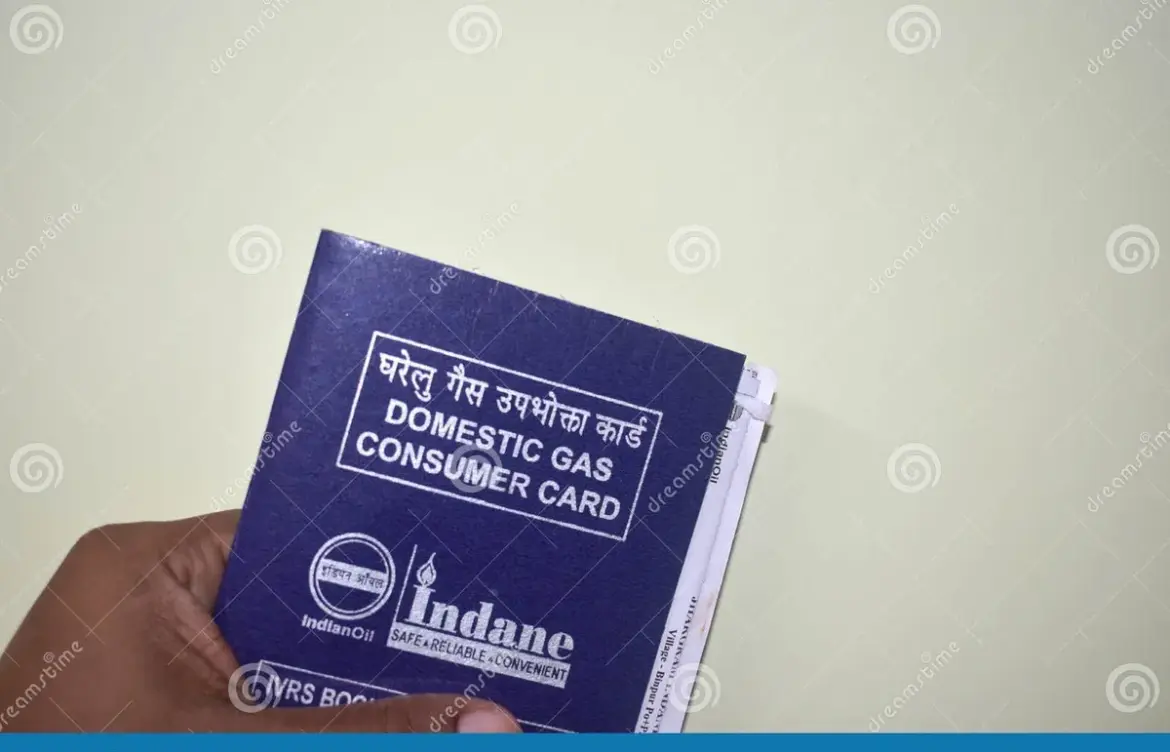
The Indian oil gas booking system, particularly Indane’s LPG refill service, has encountered major disruptions across the country. This situation has arisen due to a surge in customer calls, leading to a crash of the booking system.
Reports indicate that the volume of calls to Indane’s IVRS and missed call booking numbers has increased to 8-10 times the usual levels. As a result, customers are experiencing longer wait times for their LPG cylinder bookings.
Government Response and Supply Challenges
In response to the overwhelming demand, the government has increased the minimum waiting period for booking a domestic LPG cylinder refill from 21 days to 25 days. This policy change comes as the supply of domestic cylinders has reduced by 50%, while demand has surged by 50%.
The price of a standard 14.2kg LPG gas cylinder in Delhi has risen to ₹913, marking an increase of ₹60. This price hike reflects the ongoing challenges in meeting the country’s LPG needs, with 60% of these needs currently met by imports.
Impact of Geopolitical Tensions
Domestic production of LPG has been prioritized; however, delays in imports due to geopolitical tensions have exacerbated the situation. The crisis began when LPG gas booking volumes skyrocketed to 10 times the daily average, driven by recent government policy changes.
Indane has acknowledged the unprecedented nature of the current situation, stating, “We are currently facing an unprecedented situation.” Additionally, disruptions have affected other operational areas, with reports of the vendor invoice management system being down.
Consumer Reactions and Experiences
Consumers have expressed their frustrations, with one individual from Madipakkam noting that the IVR system kept repeating its message, preventing successful bookings. An employee at an Indane distribution center reported that people were anxious and crowded the office with their empty cylinders in hopes of receiving new ones.
As the situation continues to evolve, further developments are anticipated. Details remain unconfirmed regarding the long-term solutions that may be implemented to alleviate these issues.