Impacts of Recent School Closings in Wisconsin
Introduction
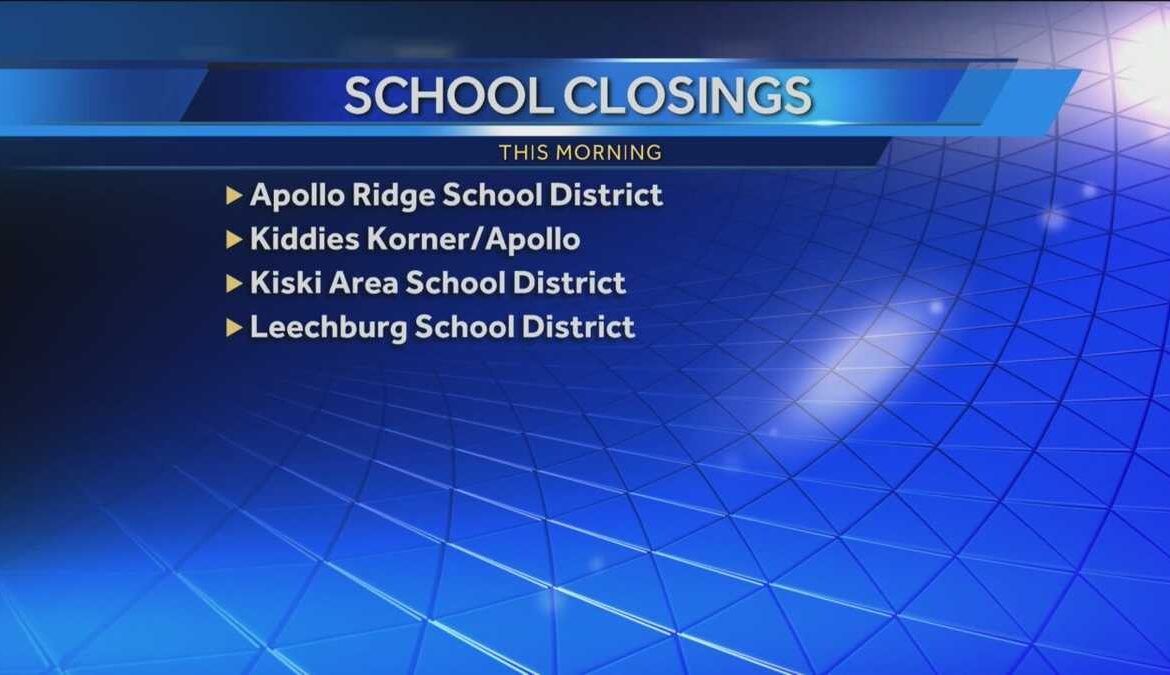
In recent weeks, Wisconsin has experienced a series of school closings due to inclement weather conditions and safety concerns. With harsh winter storms hitting various regions, many school districts opted to close their doors to ensure the safety of students and staff. This topic is particularly relevant as it affects thousands of families and highlights the challenges faced by educational institutions during extreme weather events.
Recent Events and Details
According to the National Weather Service, parts of Wisconsin have experienced significant snowfall, ice storms, and dangerously low temperatures over the past month. As a response, major school districts such as Milwaukee Public Schools and Madison Metropolitan School District announced closures to protect students from potential hazards on their way to school and during outdoor activities.
The Wisconsin Department of Public Instruction reported an increase in the number of closed school days compared to previous winters. For instance, in January alone, schools in several counties, including Dane, Waukesha, and Milwaukee, reported multiple snow days, disrupting the regular academic calendar. Districts have been working diligently to communicate closures through various channels, including text alerts, social media, and official district websites.
Impact on Students and Families
These school closings not only impact students’ academic progress but also pose challenges for working parents who must arrange childcare. Many families rely on school resources and programs to provide a safe environment for their children during the day. Additionally, schools have been navigating plans for making up lost instructional time, which may include extending the school year or scheduling additional study days.
Conclusion and Significance
The continued impact of school closings in Wisconsin serves as a reminder of the importance of community preparedness and weather resilience. As climate fluctuations become more pronounced, schools and parents alike must adapt to these changes, ensuring students receive the education they deserve while remaining safe. Looking ahead, it is vital for school districts to develop robust contingency plans to accommodate unexpected weather disruptions, aiming to minimize the academic loss and hardship experienced by families. Community engagement and support systems will play crucial roles in helping Wisconsin navigate through these challenges effectively.