Horror movies: The Evolution of : From True Events to Cinematic Terror
The Evolution of Horror Movies: From True Events to Cinematic Terror
Horror movies have long captivated audiences with their ability to evoke fear and suspense. Many of these films are not just products of imagination; they are often inspired by real-life events that resonate with the public’s psyche. For instance, Alfred Hitchcock’s classic film ‘The Birds’ was influenced by a bizarre incident in California where sooty shearwaters attacked people, showcasing how nature can turn terrifying in unexpected ways.
Another notable example is the film ‘I Drink Your Blood’, which drew inspiration from the infamous Manson Family murders. This connection highlights how true crime can seep into popular culture, shaping narratives that both horrify and intrigue viewers. The blending of reality and fiction in horror films often serves to amplify the emotional impact, making the stories feel more immediate and relatable.
Wes Craven’s iconic ‘A Nightmare on Elm Street’ also finds its roots in real-life tragedy. The film was inspired by the death of a Cambodian refugee child who suffered from horrific nightmares before passing away in his sleep. This chilling backstory not only adds depth to the film’s narrative but also reflects broader themes of fear and the unknown that permeate the genre.
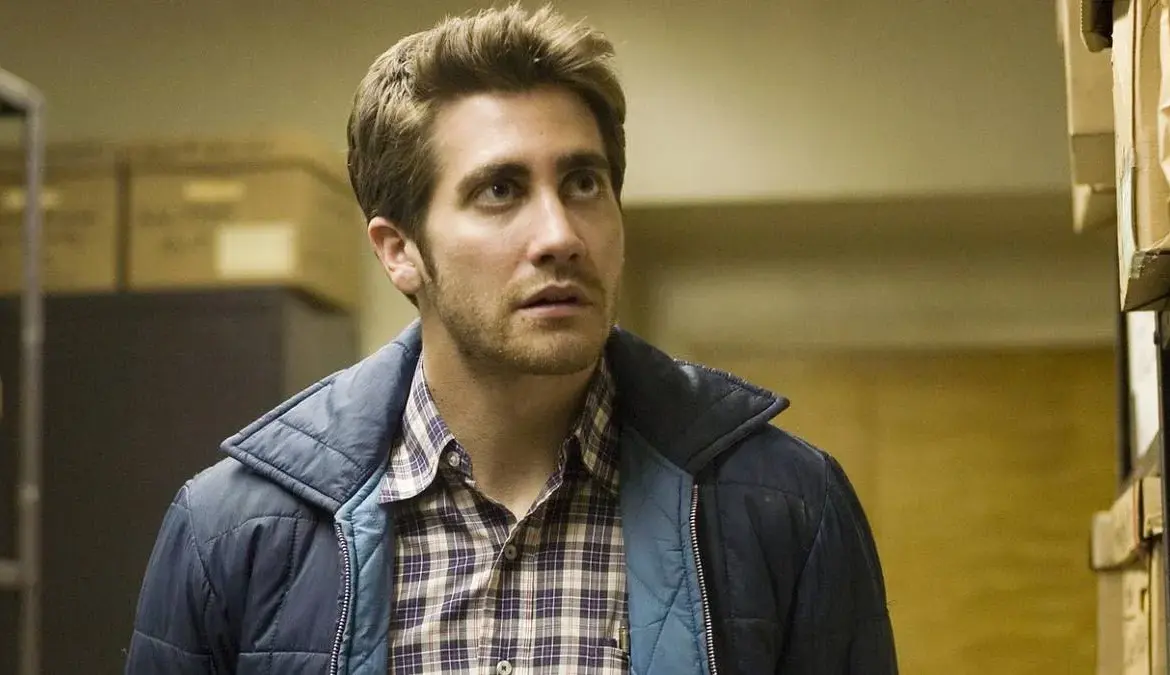
The Zodiac Killer, a notorious serial killer who operated in the San Francisco Bay Area during the late 1960s, has also left an indelible mark on horror cinema. The film ‘Zodiac’, directed by David Fincher, approaches this dark chapter in history with empathy for the victims, illustrating how horror can be intertwined with real-life tragedy while still serving as a commentary on societal fears.
In a similar vein, ‘The Strangers’ is marketed as being based on a true story related to the Manson murders, further blurring the lines between fact and fiction. This trend of drawing inspiration from real events has become a hallmark of the horror genre, allowing filmmakers to tap into the collective anxieties of society.
In a lighter twist, the recent release of ‘Scary Movie 6’ parodies popular horror films, including ‘Get Out’ and ‘Sinners’. This film features characters from various horror franchises, such as Ghostface and Art the Clown, demonstrating how the genre continues to evolve and adapt, even while referencing its own history.
Stephen King, a prolific author known for his bestselling novels, often draws from his personal experiences to create compelling horror narratives. His novel ‘Desperation’, adapted into a film starring Ron Perlman as a mass-murdering sheriff, exemplifies how personal and societal fears can manifest in terrifying ways on screen.
As horror movies continue to evolve, they remain a reflection of our deepest fears and societal issues. The connections between these films and real-life events serve not only to entertain but also to provoke thought and discussion about the darker aspects of human nature. While the genre may entertain, it also serves as a mirror to our reality, revealing the fears that lurk just beneath the surface.