Glory Netflix: A Mixed Bag of Boxing and Mystery
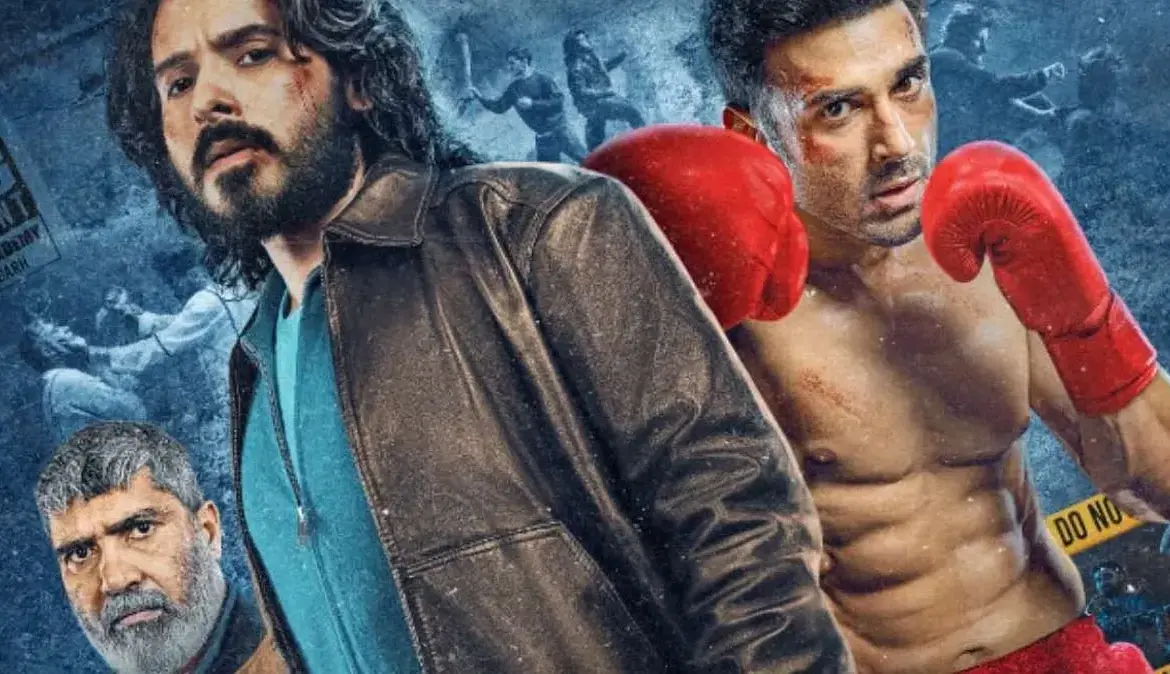
The new Netflix series Glory intertwines the intense world of boxing with a gripping murder mystery, yet it falls short in character development and emotional resonance. Set against the backdrop of Haryana, the story revolves around two brothers, Ravi and Dev, who return to their hometown after a violent incident that shakes their family.
Key facts about Glory:
- Created by Karan Anshuman and Karmanya Ahuja.
- Consists of seven episodes featuring themes of revenge and familial trauma.
- Divyenndu plays Dev, the emotional core, while Pulkit Samrat portrays Ravi, a boxing star who steps back from the limelight.
- The series begins with the death of an Olympic hopeful coached by Raghubir.
- Critics note that the boxing scenes feel lifeless and lack excitement.
The show has garnered mixed reviews since its release in May 2026. Observers describe it as a surface-level thriller that fails to deliver on its promise. One critic remarked, “The violence is extreme, the grief feels distant, and the storytelling is high on testosterone but low on feeling and insight.”
Despite this, Divyenndu’s performance has been highlighted as a saving grace. His portrayal brings a depth that many felt was lacking in other aspects of the show. “Divyenndu brings a lived-in intensity and depth that the show sorely needed,” noted another review.
Yet, as viewers dive deeper into the series, they find it tonally scattered. Several narrative threads remain unresolved by the finale, leaving many wondering what could have been if the emotional stakes had been raised. Critics agree: “What should be a tight, emotionally driven drama instead becomes tonally scattered, with several dangling threads.”
The series has sparked conversations about how stories set in competitive sports can resonate more profoundly if they delve into character backgrounds and emotional journeys. As audiences continue to engage with Glory, discussions around its themes of revenge and familial trauma are likely to persist.