Gas cylinder: India’s Regulations Tighten Amid Rising Prices
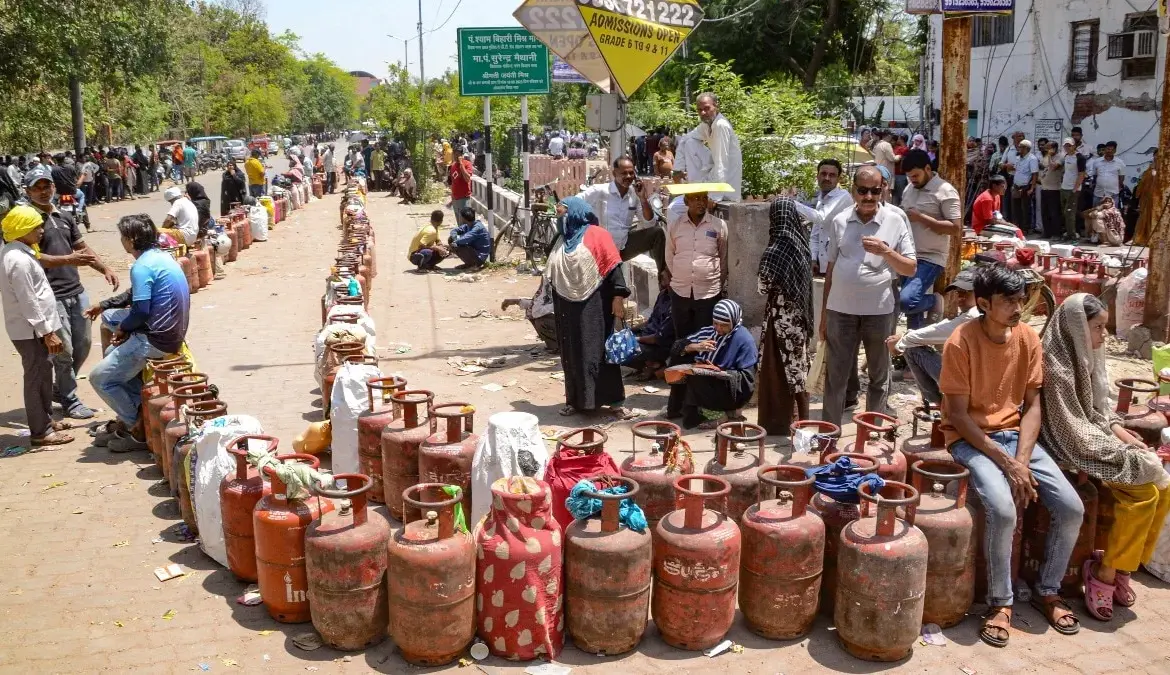
The West Asia conflict that erupted in late February has impacted global energy markets, affecting gas cylinder prices in India. As a result, the Indian government is now enforcing stricter LPG booking rules. Households are encouraged to transition to piped natural gas (PNG) connections.
Recently, the price of a 14.2 kg domestic LPG cylinder increased by Rs 60. This hike comes on top of significant increases in commercial cylinder prices—April alone saw three price hikes totaling Rs 196 for a 19 kg cylinder.
Under the new regulations, the interval between LPG bookings has changed. Urban areas now face a longer wait of 25 days between bookings, while rural residents must wait up to 45 days. This adjustment aims to manage supply amid fluctuating global prices.
In a bid to enhance security, an OTP-based delivery authentication system will soon become permanent for LPG deliveries. Additionally, Aadhaar-based biometric authentication is mandatory for beneficiaries of the Pradhan Mantri Ujjwala Yojana who have not yet completed this process.
For households with PNG connections, there’s no going back—these homes cannot surrender their domestic LPG connections. If they do not switch to PNG despite availability, their LPG supply will cease after three months.
Since March 2026, approximately 5.45 lakh PNG connections have been established across India. With an additional 2.62 lakh PNG connections infrastructure planned, the government aims to expand this cleaner energy source significantly.
Online bookings have surged, with about 98% of LPG orders now placed digitally. Furthermore, around 94% of deliveries utilize a Delivery Authentication Code—showing how technology is reshaping access to essential services.
Observers expect further revisions in LPG prices from May 1, 2026. As households adjust to these changes, many are left wondering how these new regulations will affect their monthly budgets and overall energy access.