Gas Cylinder Price Update: Recent Increases and Impacts
Background on Gas Cylinder Prices
The price of a 14.2-kg domestic LPG cylinder was hiked due to geopolitical disruptions to fuel supply. This increase has now been compounded by further adjustments made by oil marketing companies.
Recent Price Increases
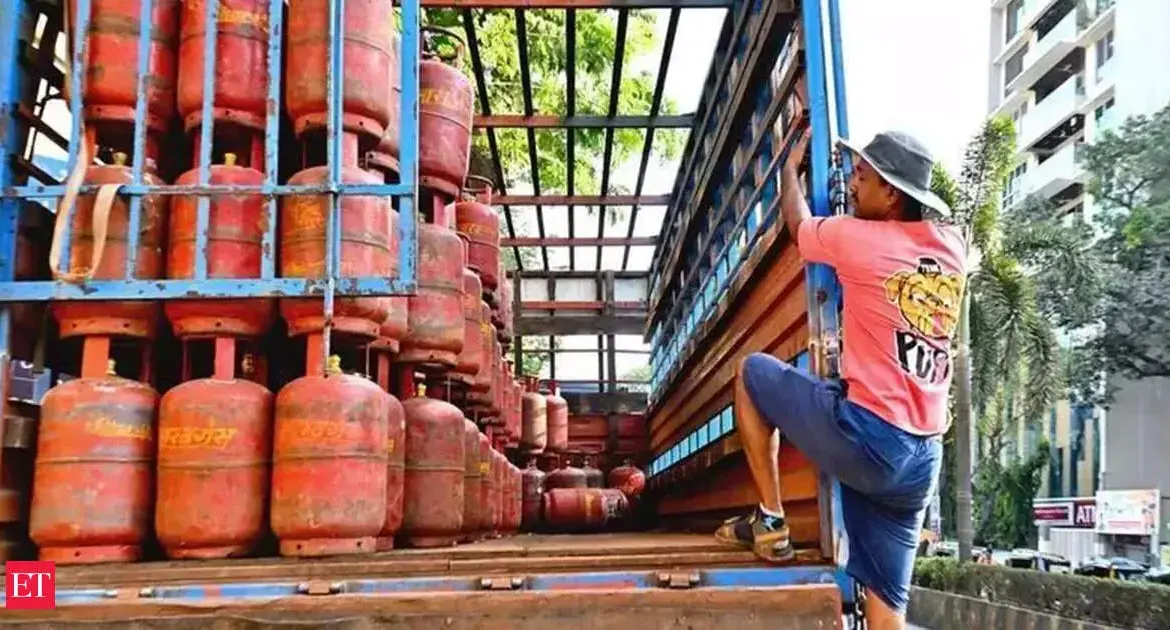
Oil marketing companies have increased the prices of non-subsidised domestic LPG gas cylinders by 60 rupees across metropolitan cities in India. In Delhi, the price for a 14.2 kilogram gas cylinder has risen from 853 rupees to 913 rupees.
New rates for LPG cylinders have also been set in other major cities: 912.50 rupees in Mumbai, 939 rupees in Kolkata, and 928.50 rupees in Chennai. Additionally, rates for commercial LPG gas cylinders have been increased by 115 rupees.
Impact on the Hospitality Sector
An acute shortage of commercial LPG cylinders is disrupting the hospitality sector in Mumbai, Bengaluru, and Chennai. Reports indicate that at least 20 percent of the hotels and restaurants in Mumbai had to shut down temporarily due to this shortage.
According to the AHAR – Indian Hotels and Restaurants Association, “Despite being a basic operational requirement for restaurants and hotels, commercial cylinders are becoming increasingly difficult to obtain through proper channels.” This situation has raised concerns among business owners regarding operational viability.
Government Response
In response to the crisis, the Indian government has increased the LPG booking period from 21 days to 25 days to curb hoarding. Furthermore, the Government of India has invoked the Essential Commodities Act to ensure the supply of natural gas, emphasizing that “the supply of natural gas must be treated as priority allocation and shall be maintained subject to operational availability to one hundred percent of their average past six-month average gas consumption.”
Future Considerations
Details remain unconfirmed regarding the exact impact of ongoing geopolitical conflicts on future gas cylinder prices. Observers are closely monitoring the situation as it evolves, particularly in relation to supply chain stability and market responses.