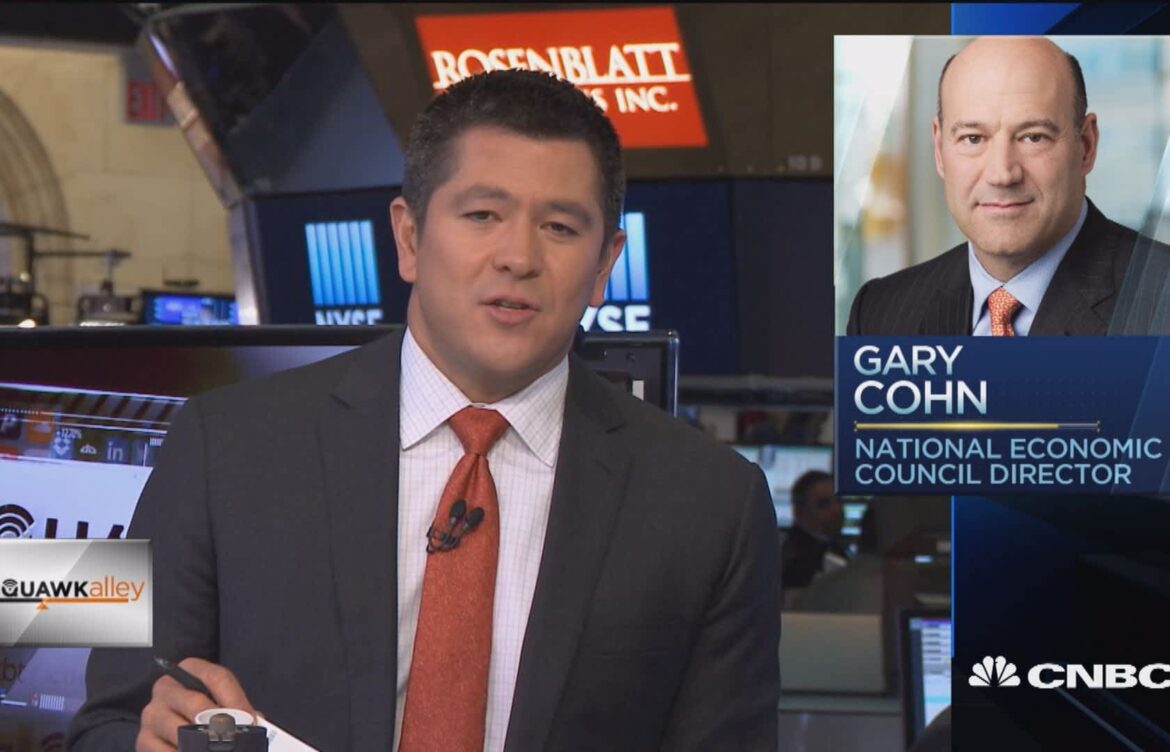
Gary Cohn: A Key Figure in U.S. Economic Policy
Introduction
Gary Cohn, a prominent figure in U.S. economic policy, served as the director of the National Economic Council under President Donald Trump from 2017 to 2018. His role was crucial in shaping tax reform and trade policies, making him one of the most influential economic advisors of recent years. Understanding Cohn’s contributions provides insights into current economic discussions and strategies, particularly as the U.S. navigates post-pandemic challenges.
Cohn’s Background and Career
Born in 1960 in Cleveland, Ohio, Cohn earned his degree from American University, later joining Goldman Sachs, where he spent over 25 years and rose to the position of president and COO. His expertise in finance and economics groomed him for a significant role in government, particularly during the tumultuous years following the 2008 financial crisis.
Tenure in the Trump Administration
As the director of the National Economic Council, Cohn was a key architect of the Tax Cuts and Jobs Act of 2017. This legislation cut the corporate tax rate from 35% to 21% and aimed to stimulate economic growth while also encouraging domestic investment. Cohn was vocal in his advocacy for reducing regulatory burdens on businesses, believing that this would foster innovation and job creation.
Challenges and Controversies
Despite his achievements, Cohn’s tenure was not without challenges. He faced significant backlash regarding the administration’s handling of rising trade tensions with China. Following President Trump’s decision to impose tariffs on steel and aluminum, Cohn opposed these measures, arguing they would have detrimental effects on the economy. His differing views on trade policy contributed to his eventual resignation in March 2018.
Current Role and Future Outlook
Since leaving government, Cohn has continued to influence economic policy through his positions in various organizations and think tanks. He currently serves as the vice chairman of the investment firm PCHAIN and is a sought-after speaker on global economic trends. As the U.S. continues to grapple with inflation and labor shortages, Cohn’s insights into fiscal policy and economic strategy remain invaluable.
Conclusion
Gary Cohn’s impact on U.S. economic policy cannot be understated. His work during a transformative era has provided a framework that continues to influence discussions today. As the nation faces ongoing economic challenges, the lessons from Cohn’s policies and decisions will likely continue to shape the economic landscape. Observers of economic policy should remain attentive to Cohn’s perspectives, as they may offer guidance and foresight into navigating future economic uncertainties.