Fidel castro: Cuba’s Legacy of : A Community’s Reflection
The legacy of Fidel Castro looms large over Cuba, shaping the nation’s identity and community life even years after his passing. As Cuba navigates through economic challenges and political transitions, the effects of Castro’s leadership are felt deeply in the hearts of many Cubans. The recent humanitarian crisis, exacerbated by prolonged power outages and economic issues, has drawn attention to the ongoing struggles faced by the population. The United Nations has raised alarms about the dire situation, emphasizing the need for urgent support to address these challenges.
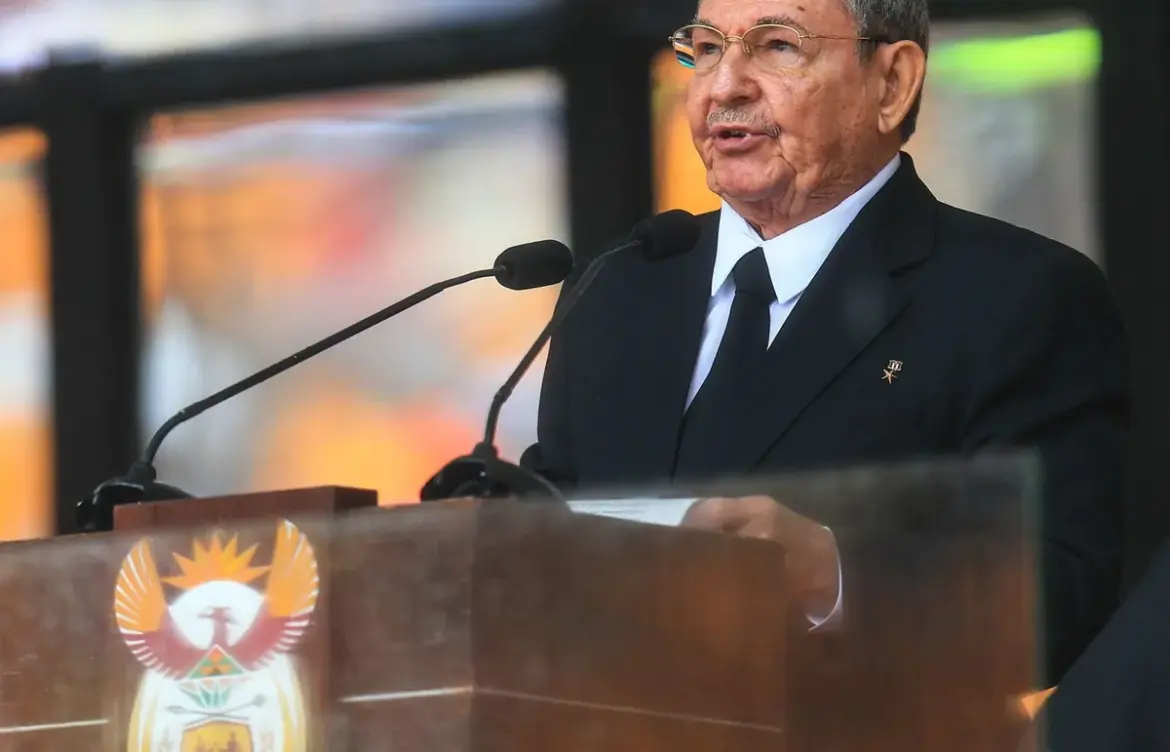
Raúl Castro, who succeeded his brother Fidel as the head of state in 2008, played a crucial role in this transition. Under his leadership, Cuba saw significant reforms aimed at revitalizing the economy, including the removal of wage restraints and the introduction of private enterprise. However, these changes came amid a backdrop of economic decline, with Cuba experiencing an 11 percent GDP drop in 2020, a stark reminder of the challenges that persist. Raúl Castro’s tenure also witnessed the laying off of 500,000 government employees as part of these reforms, a move that stirred mixed reactions within the community.
The relationship between Cuba and the United States has also been a pivotal aspect of the post-Castro era. Raúl Castro’s historic talks with Barack Obama in 2014 marked a thaw in relations, leading to the reopening of embassies and a renewed dialogue. However, the subsequent administration under Donald Trump imposed an oil blockade that resulted in nationwide blackouts, further straining the already fragile economy. The Cuban people have felt the weight of these political decisions, as they grapple with the consequences of international relations on their daily lives.
As the community reflects on these events, the voices of leaders like Miguel Díaz-Canel resonate. He emphasized the importance of dialogue and building common agendas, recognizing that the path forward requires collaboration and understanding. The health situation in Cuba has also drawn concern, with the World Health Organization highlighting the perilous state of health services. Tedros Adhanom Ghebreyesus remarked on the deep-seated issues affecting the delivery of care, underscoring the urgent need for support.
Raúl Castro’s announcement of his retirement from the Communist Party in April 2021 marked a significant moment in Cuba’s political landscape. With 70 percent of the Cuban population born after the triumph of the revolution, the future of the nation lies in the hands of a younger generation that is increasingly aware of the complexities of their history. As they navigate their identity in a rapidly changing world, the legacy of Fidel Castro continues to influence their perspectives and aspirations.
Looking ahead, Cuba faces uncertainties as it seeks to address its energy crisis and the damages from recent hurricanes. The government estimates that $94 million is needed to tackle these issues, a daunting figure for a nation already struggling economically. The community remains hopeful yet cautious, aware that the path to recovery will require resilience and unity.
In this evolving landscape, the impact of Fidel Castro’s legacy remains a topic of discussion and reflection among Cubans. As they confront the challenges of today, the lessons from the past serve as both a guide and a reminder of the enduring spirit of the Cuban people. Details remain unconfirmed as the nation continues to adapt and respond to the pressing needs of its citizens.