Exploring the Wonders of French Polynesia
Introduction to French Polynesia
French Polynesia, an idyllic collection of islands located in the South Pacific Ocean, is renowned for its stunning landscapes, rich culture, and biodiversity. Comprising over 100 islands and atolls, including the well-known Tahiti and Bora Bora, this territory is a perfect destination for travelers seeking serenity and natural beauty. Understanding the geographical, cultural, and economic significance of French Polynesia not only enhances the travel experience but also highlights its role in global tourism and environmental conservation.
Geographical Overview
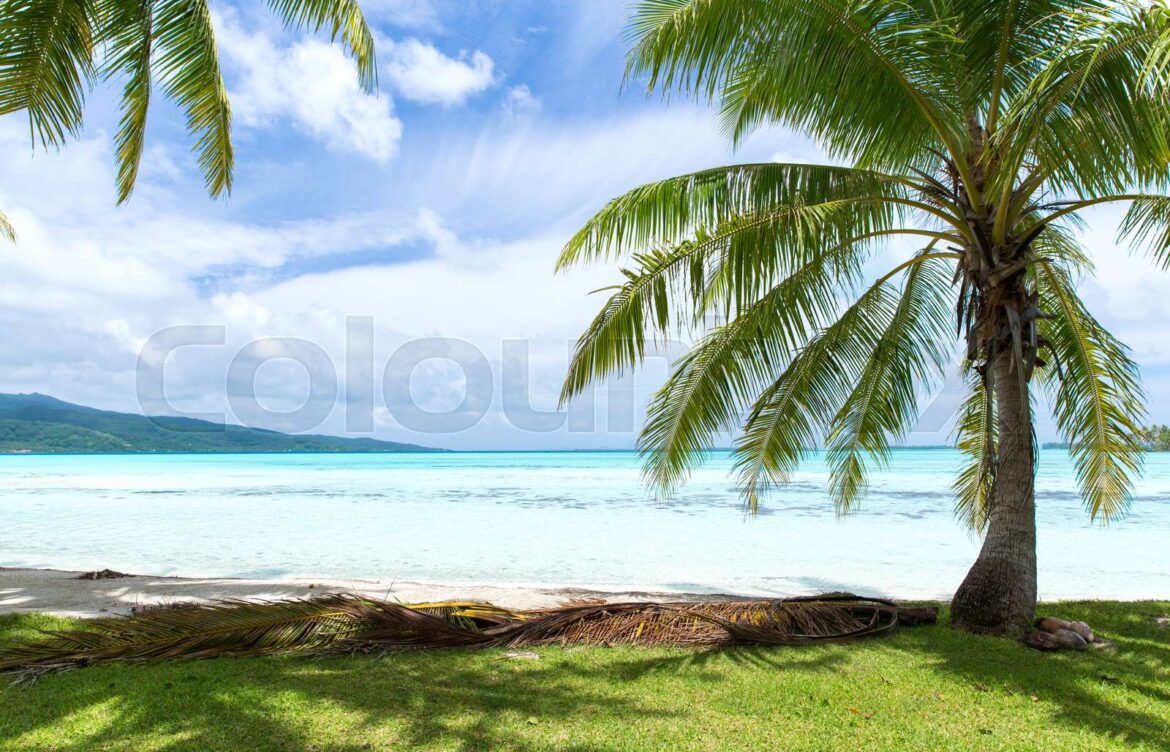
Situated approximately halfway between California and Australia, French Polynesia covers about 2.5 million square kilometers of ocean, while its landmass is relatively small. The islands feature diverse ecosystems, ranging from lush rainforests and volcanic peaks to pristine beaches and coral reefs. This variability creates a unique environment that attracts adventurers and nature enthusiasts alike.
Cultural Significance
French Polynesia boasts a rich cultural heritage that is deeply rooted in Polynesian traditions. The islands’ inhabitants are known for their hospitality and preservation of ancient customs, reflected in their arts, dance, and music. The annual Heiva i Tahiti festival showcases traditional Polynesian dance, music, and sports, drawing visitors eager to experience the vibrant local culture. The influence of French colonial history is also evident, as the islands are a French overseas collectivity, melding traditional Polynesian and French cultures.
Tourism and Economic Impact
Tourism is a cornerstone of French Polynesia’s economy, contributing significantly to the local and national revenue. In recent years, the destination has seen a rebound in visitor numbers following the challenges posed by the COVID-19 pandemic. According to statistics from local tourism boards, the region has experienced a steady increase in tourist arrivals, with 2019 seeing a record of over 300,000 visitors. The government is working diligently to promote sustainable tourism practices, ensuring the preservation of natural habitats while supporting local communities.
Conclusion
As French Polynesia continues to solidify its status as a premier travel destination, understanding its geographical, cultural, and economic landscape becomes essential for both potential visitors and global citizens alike. With its breathtaking scenery and commitment to sustainability, French Polynesia embodies the ideals of sustainable tourism by balancing ecological preservation with the economic benefits of tourism. Looking forward, ongoing efforts in environmental protection and cultural preservation will ensure that this paradise remains vibrant and inviting for generations to come.