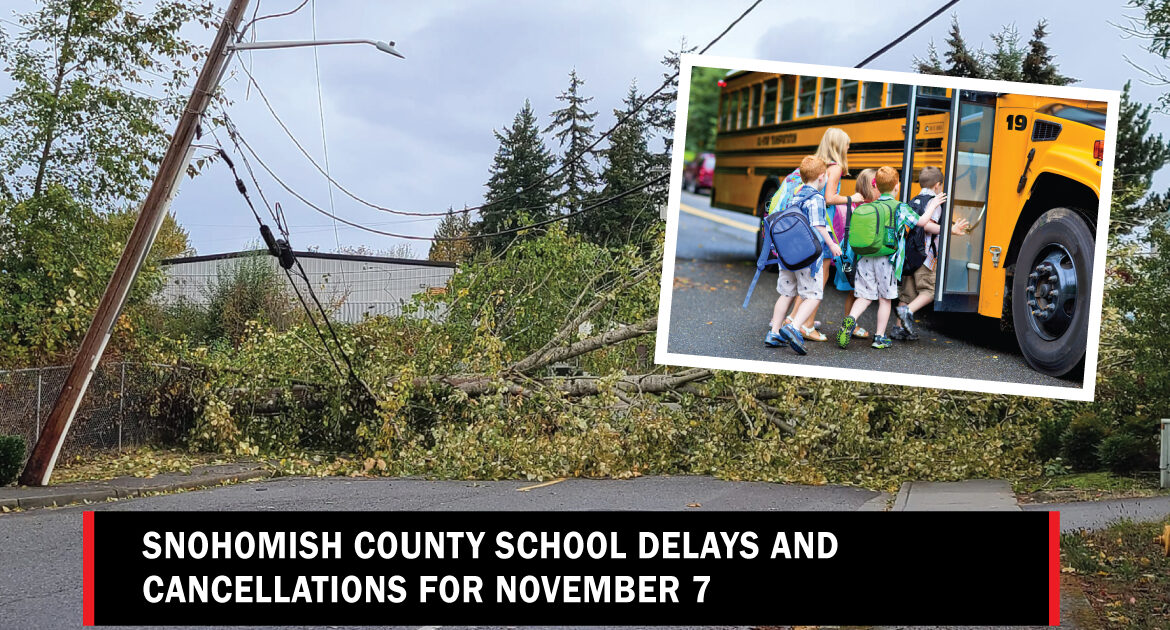
Exploring the Rise of School Cancellations in the U.S.
The Importance of School Cancellations
School cancellations have become a significant topic of discussion in recent years, especially during the winter season, as they affect educational continuity and student well-being. Various factors contribute to these cancellations, including severe weather, public health concerns, and safety threats. Understanding the implications of these cancellations is crucial for parents, administrators, and policymakers alike.
Current Trends in School Cancellations
In the past month, several states across the U.S. have announced school cancellations due to unexpected harsh weather conditions, including heavy snowstorms and freezing temperatures. For instance, states like New York and Massachusetts reported multiple days of school closures, leading to a ripple effect on educational schedules.
According to the National Center for Education Statistics, students in northeastern states experience the highest rates of school cancellations during winter due to inclement weather. This trend not only disrupts learning but also affects extracurricular activities, essential examinations, and standardized testing schedules.
Impact on Students and Families
Parents often find themselves facing challenges when schools announce last-minute cancellations. Many are forced to arrange alternative childcare solutions, which can lead to increased financial strain. For students, missed instructional time can result in gaps in learning, especially for those relying on school resources for meals and educational support.
The psychological effects of school cancellations cannot be ignored. Prolonged disruptions can cause anxiety and disengagement among students who thrive on structured routines. In the wake of the COVID-19 pandemic, these challenges have amplified, highlighting the need for contingency plans that schools can implement swiftly.
Future Significance and Conclusions
As climate patterns continue to shift, the frequency of school cancellations may increase, necessitating robust planning and communication strategies from school districts. Education leaders must explore virtual learning options and hybrid approaches to mitigate the impact of sudden closures. Ensuring that students have access to continued learning resources through technology can help bridge educational gaps.
As the situation evolves, it is essential for communities to stay informed about school policies on cancellations and for parents to proactively engage with schools to understand their plans. The overarching goal should be to minimize educational disruptions while prioritizing student safety and well-being.