Exploring the Insights of Jonathan Haidt on Modern Society
Introduction
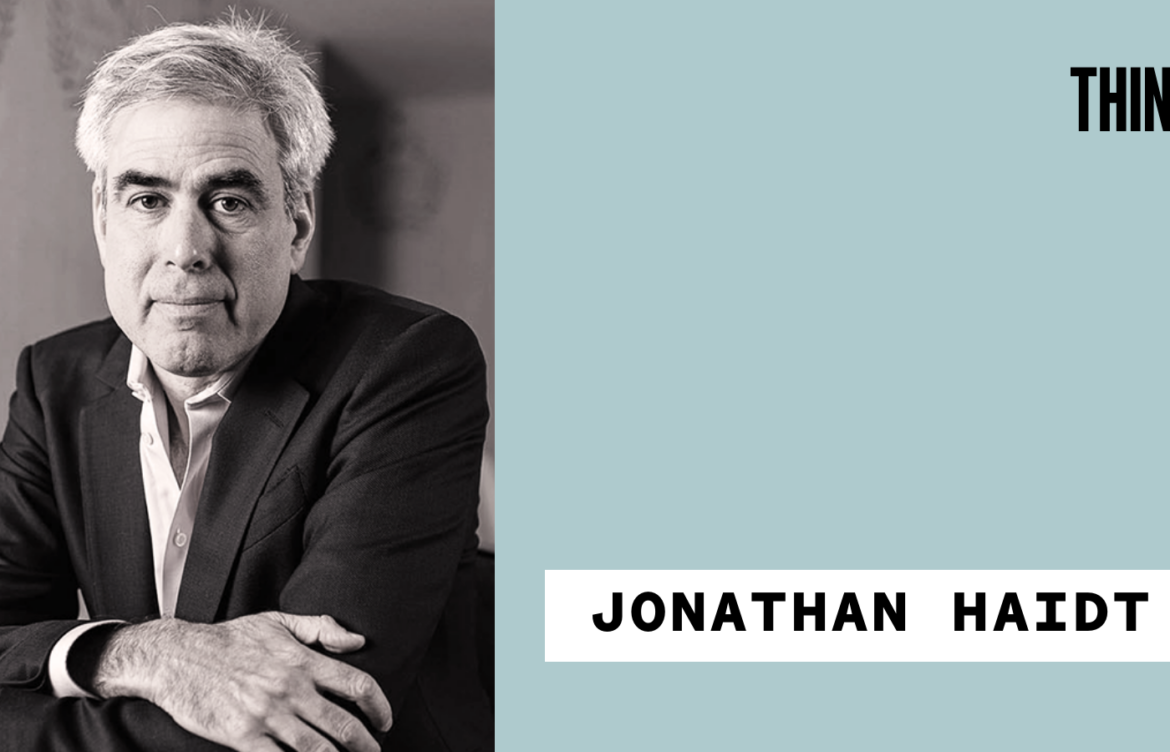
Jonathan Haidt, an American social psychologist and author, has gained immense relevance in today’s polarized environment. His research on morality, culture, and the psychology of social media offers crucial perspectives for understanding the complexities of contemporary society. As we navigate ongoing discussions about polarization and collective well-being, Haidt’s insights provide a lens to comprehend our social fabric.
Key Contributions
Haidt is widely known for his books, most notably “The Righteous Mind” and “The Coddling of the American Mind,” where he delves into issues surrounding moral psychology. In “The Righteous Mind,” he articulates the idea that human morality is primarily driven by intuitions rather than rational thought, urging readers to understand differing moral viewpoints rather than merely dismissing them. This idea is especially pertinent as social media amplifies divisions, creating echo chambers where beliefs go unchallenged.
The Role of Social Media
Haidt’s recent discussions emphasize the detrimental effects of social media on discourse. He suggests that platforms like Facebook and Twitter intensify emotional reactions and contribute to ideological divisions, leading people to prioritize group identity over open conversation. This perspective underscores the need for individuals to engage in more face-to-face interactions and productive dialogues. In 2022, Haidt launched the nonprofit “Heterodox Academy,” aimed at fostering open discourse in academia, and has since advocated for reforms that prioritize diverse perspectives.
Current Events
As the world grapples with the effects of misinformation and societal polarization, Haidt’s viewpoints have garnered attention. During various speaking engagements and in interviews, he has warned that if current trends continue, societal cohesion will weaken further. His call for increased empathy and understanding is more vital than ever amidst rising tensions in various domains, from politics to social justice movements.
Conclusion
Jonathan Haidt’s work serves as a critical reminder of the importance of understanding differing perspectives in today’s increasingly fragmented society. His emphasis on moral psychology and the implications of social media calls for a reconsideration of how we engage with one another. As we look ahead, it is crucial for individuals to foster a culture of open dialogue and empathy to navigate the challenges of modern life, encouraging connections that transcend ideological divides.