Exploring Skeleton Olympics: A Glimpse into the Winter Sport
Introduction to Skeleton Olympics
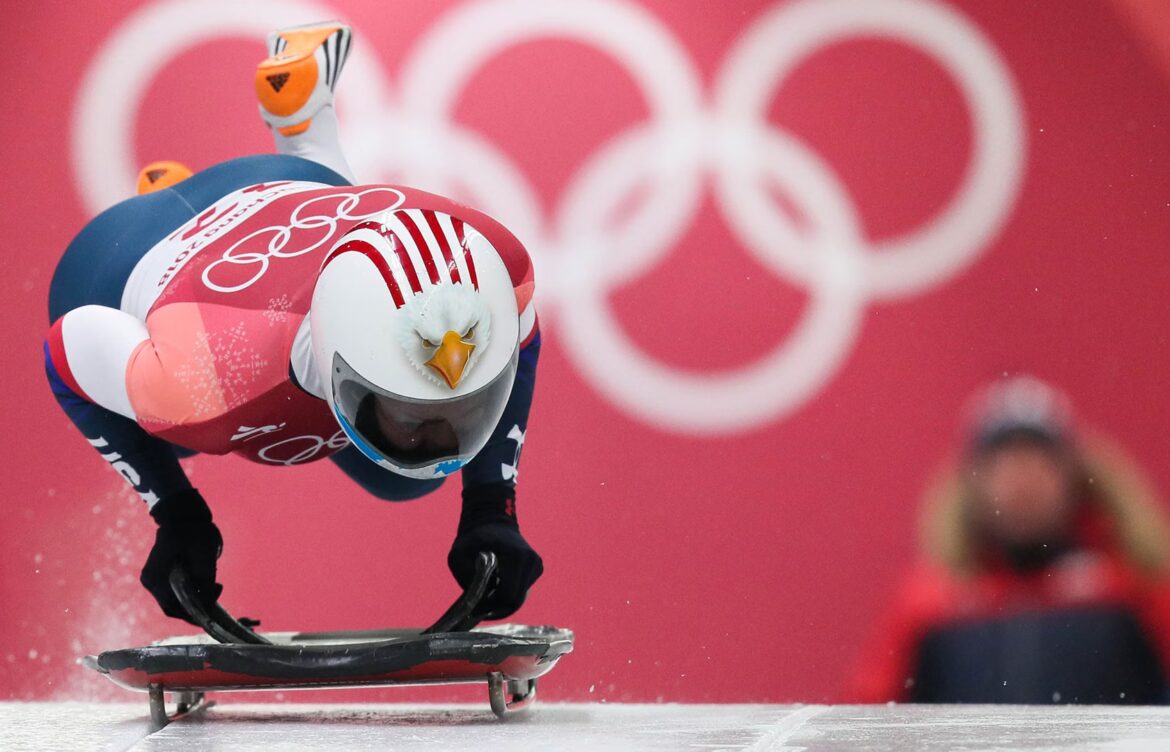
The skeleton is a captivating winter sliding sport that has gained considerable popularity in recent years. Participants navigate a small sled, racing head-first down a winding course of ice at thrilling speeds. The Skeleton Olympics play a significant role in showcasing this adrenaline-pumping sport during the Winter Olympic Games, attracting both athletes and spectators alike. Its blend of speed, skill, and strategy has made it a highlight in the competitive lineup of winter sports.
History and Evolution of Skeleton
Initially originating in the late 19th century in Switzerland, skeleton made its Olympic debut at the 1928 Winter Games in St. Moritz. After being dropped from the Olympic program following the 1948 Games, skeleton returned to the Olympics in 2002 at Salt Lake City, marking its resurgence in the competitive sport arena. Since then, it has captivated fans with its thrilling races and breathtaking accidents – along with the unprecedented talent of its top athletes.
Recent Developments and Events
The most recent Winter Olympics, held in Beijing in 2022, showcased the skills of elite skeleton athletes from all around the world. Athletes like Germany’s Christopher Grotheer and Great Britain’s Amy Williams have led the charge, breaking records and earning medals. This year, there have also been significant advancements in sled technology and athlete training methods, helping to push the sport to new heights. With the upcoming World Championship slated for March 2023 in St. Moritz, all eyes are on the competing nations as they gear up for this prestigious event.
Challenges and Future of Skeleton
Despite its successes, skeleton faces challenges such as safety concerns and the need for increased funding and visibility. However, the sport’s governing bodies are working diligently to promote safer racing practices and attract new talent. As global interest in winter sports continues to grow, particularly in non-traditional markets, the future of skeleton at the Olympic level appears bright.
Conclusion
In summary, the Skeleton Olympics exemplifies a unique combination of speed, courage, and athleticism. As it continues to evolve and capture the imaginations of a wider audience, the skeleton sport promises to remain a thrilling event at future Winter Olympic Games. With improvements in technology and safety, combined with the passion of its athletes, the skeleton is poised for a bright future in the realm of winter sports.