Exploring San Marino: Europe’s Hidden Gem
Introduction to San Marino
San Marino, one of the smallest and oldest republics in the world, holds a remarkable position in the heart of Europe. With a rich history dating back to A.D. 301, when it was founded by a Christian stonemason named Marinus, this microstate offers a unique glimpse into medieval European governance and culture. As the world continues to navigate global challenges, understanding San Marino’s enduring legacy and its role in modern Europe becomes increasingly relevant.
Historical Significance
San Marino is often celebrated for its historical independence, remaining largely untouched by warfare and outside influences throughout its existence. The country’s founding led to a tradition of liberty and self-governance, which has continued for over 1,700 years. San Marino’s constitution, adopted in 1600, is one of the world’s oldest, making it an extraordinary model of democratic governance.
Current Events and Developments
In recent times, San Marino has been actively involved in addressing modern issues, such as climate change and tourism management. The government has initiated policies to bolster its economy through sustainable tourism, showcasing its stunning medieval architecture and breathtaking landscapes. In 2023, San Marino partnered with neighboring Italy to promote cross-border tourism, further solidifying its relevance in regional development and cultural exchange. Additionally, San Marino has been adapting its health policies to combat the effects of the COVID-19 pandemic, ensuring the safety and well-being of its residents and visitors.
Tourism and Culture
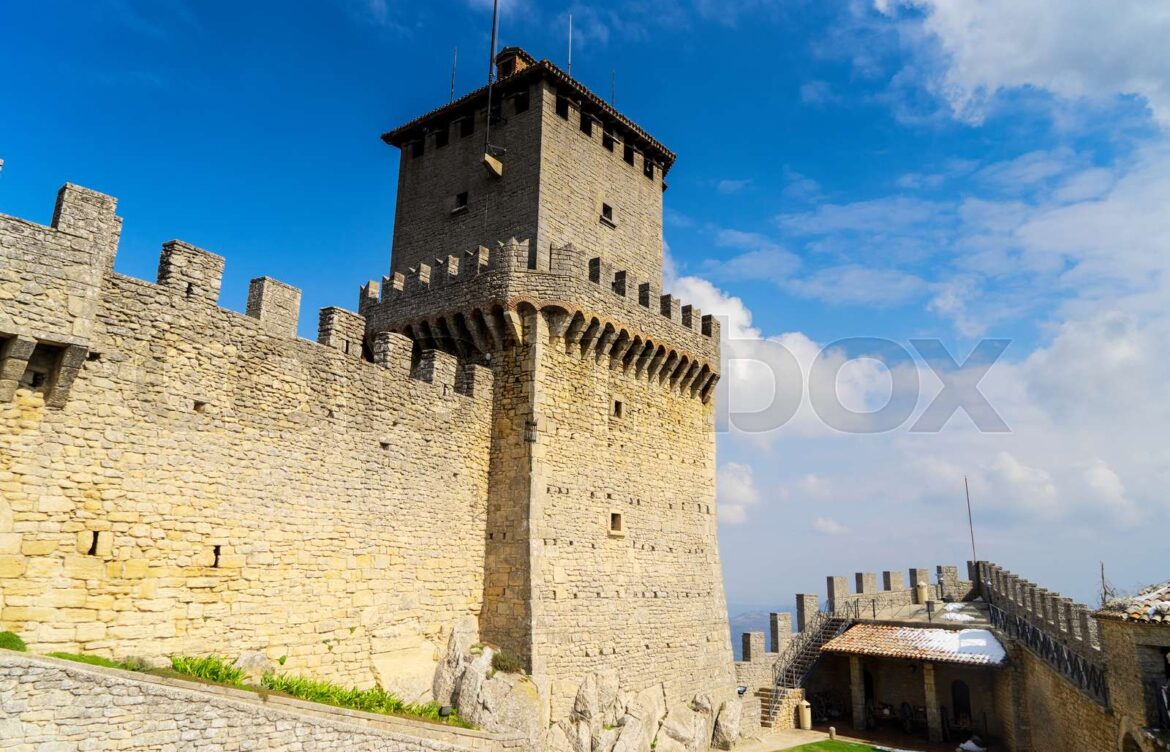
Tourism plays a vital role in San Marino’s economy, attracting nearly 3 million visitors annually. Tourists flock to its historic sites, including the Guaita, one of three iconic fortresses perched atop Mount Titano. The stunning views from these fortresses not only illustrate San Marino’s military past but also its picturesque landscape, ideal for nature lovers and photographers alike. Cultural festivals, including the Historic Carnival and the San Marino International Film Festival, further enrich the state’s vibrant cultural scene, inviting visitors to experience its unique traditions.
Conclusion
As we look towards the future, San Marino’s ability to maintain its unique identity while adapting to global changes is vital. By focusing on sustainability and cultural preservation, San Marino continues to stand as a testament to enduring democracy and tradition in a rapidly changing world. For travelers and history enthusiasts alike, San Marino remains a hidden gem worth exploring, revealing layers of history and culture that resonate well beyond its borders.