Exploring Luxembourg: History, Economy, and Culture
Introduction
Luxembourg, a small landlocked country in Western Europe, is often overlooked yet plays a significant role in European politics and economics. Recognized for its high standard of living and rich cultural heritage, Luxembourg is not just a destination for tourists, but also a hub for finance and international institutions. Its strategic location, nestled between Belgium, Germany, and France, makes it an essential player in EU affairs and global commerce.
A Snapshot of Luxembourg’s Economy
Luxembourg boasts one of the highest GDP per capita in the world, driven largely by its robust financial services sector. As of 2023, the financial industry accounts for a considerable portion of the country’s GDP, with a special focus on banking, investment funds, and insurance. With a favorable tax regime attracting multinational corporations, Luxembourg remains a prime location for foreign investment. In recent years, the government has also invested in technology and innovation, shaping a burgeoning tech landscape.
Political Landscape and EU Role
Politically, Luxembourg is a founding member of the European Union, NATO, and the United Nations, which enhances its international standing. The country has consistently advocated for deeper EU integration and progressive policies, especially in environmental sustainability and digital innovation. In 2023, Luxembourg’s Prime Minister Xavier Bettel emphasized the need for collective action in Europe to address climate change and economic recovery following the COVID-19 pandemic.
Cultural Highlights
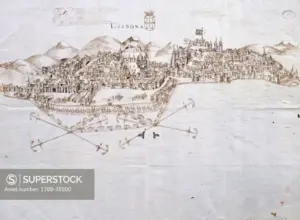
Luxembourg’s culture is a unique blend of French and German influences, with a distinctive Luxembourgish identity. The country hosts several cultural events and festivals, promoting local traditions and the arts. The National Day celebrations, held annually on June 23rd, highlight the nation’s traditions and community spirit, attracting visitors from around the world. Additionally, UNESCO has recognized several sites in Luxembourg, including the historic city of Luxembourg and its fortifications, as World Heritage sites.
Conclusion
As Luxembourg steadily evolves in the global landscape, it offers valuable insights into the future of small nations in a rapidly changing world. The country’s unique blend of a robust economy, active political engagement in the EU, and rich cultural tapestry makes it a focal point for observation. Moving forward, Luxembourg is likely to continue its ascent as a key European hub for business and culture, encouraging sustainable practices and innovation while preserving its heritage.