Exploring Eritrea: History, Culture, and Current Challenges
Introduction
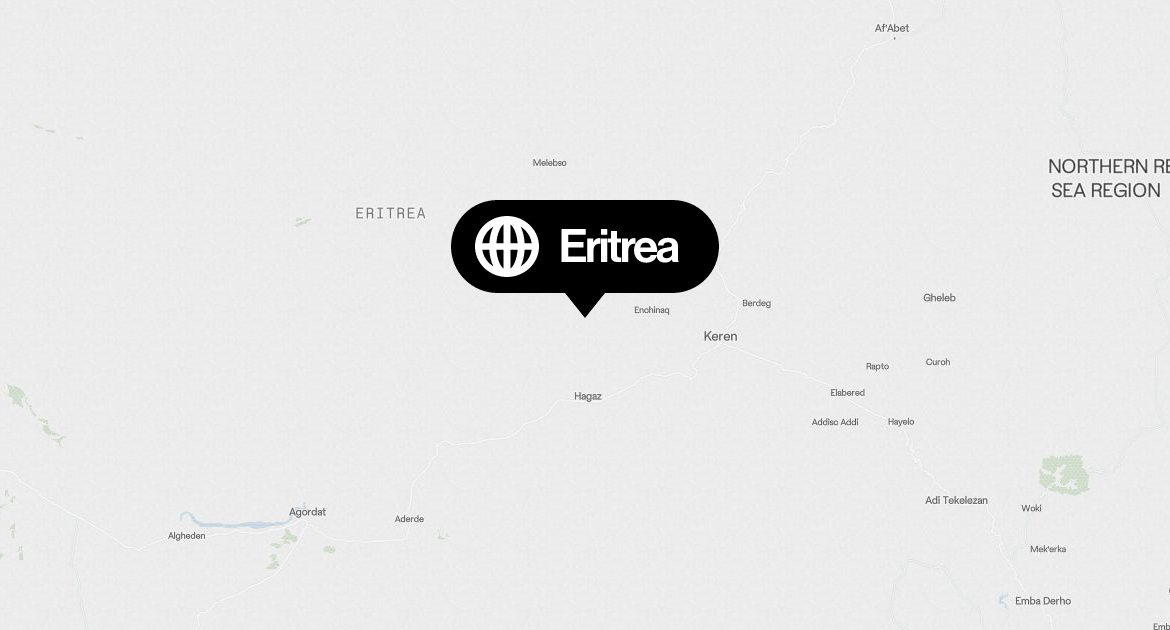
Eritrea, located in the Horn of Africa, is a country known for its rich cultural heritage and complex history. Bordered by Sudan to the west, Ethiopia to the south, and Djibouti to the southeast, Eritrea boasts diverse ethnic groups and languages. With a population of around 3.5 million, it has garnered international attention for its unique political situation, human rights issues, and resilience amidst economic challenges. Understanding Eritrea is crucial for grasping the dynamics of the region and the ongoing efforts for peace and development.
Historical Context
The history of Eritrea has been shaped by colonialism, war, and national identity. Following decades of occupation by Italy, Britain, and Ethiopia, Eritrea achieved independence in 1993 after a long and devastating war of liberation. The initial optimism for unity and development was soon overshadowed by conflict with Ethiopia, leading to a brutal border war that lasted from 1998 to 2000. The peace agreement that followed has yet to materialize into a stable and prosperous relationship between the two nations, impacting Eritrea’s political landscape.
Current Political Climate
Eritrea is often referred to as the “North Korea of Africa” due to its repressive government led by President Isaias Afwerki, who has been in power since independence. The country has no formal constitution and holds no national elections. Human rights abuses, including forced conscription into the military and restrictions on freedom of speech, have led to a significant number of Eritreans fleeing the country. According to the United Nations High Commissioner for Refugees (UNHCR), Eritrea remains one of the largest sources of refugees and asylum seekers in Africa.
Culture and Society
Despite its challenges, Eritrea is home to a mosaic of cultures and traditions. The population consists of nine ethnolinguistic groups, each contributing to Eritrea’s diverse cultural fabric. Tigrinya, Arabic, and English are the most widely spoken languages. Eritrean cuisine is celebrated for its flavors and communal dining style, with dishes like injera and zighni being popular. Additionally, Eritrea hosts vibrant festivals and cultural events that showcase its rich heritage.
Conclusion
As Eritrea navigates the complexity of its political and social landscape, the hope for positive change continues to resonate among its people. International organizations and neighboring nations are increasingly focused on supporting Eritrea’s development while advocating for human rights. Understanding Eritrea’s history, culture, and current challenges is essential for anyone interested in the broader context of African politics and societal dynamics. The resilience of the Eritrean people suggests that with time and support, the nation may overcome its hurdles and strive for a brighter future.