Exploring Casablanca: A Cultural Jewel of Morocco
Introduction
Casablanca, the largest city in Morocco, holds significant importance as a major economic and cultural hub in North Africa. Noted for its rich history, stunning architecture, and vibrant lifestyle, Casablanca attracts millions of visitors each year. This coastal city is a melting pot of cultures and traditions where Moroccan heritage beautifully intertwines with European influences, making it a unique destination for travelers and a focal point in discussions about urban growth and cultural preservation.
Recent Developments and Cultural Significance
In recent years, Casablanca has seen a surge in development projects aimed at modernizing its infrastructure and enhancing its cultural offerings. The Grand Teatro de Casablanca, which is undergoing renovations, is set to become a centerpiece for performing arts, fostering local talent while attracting international productions. Furthermore, initiatives to revitalize the historic Medina are in full swing, boosting tourism and celebrating the city’s rich history.
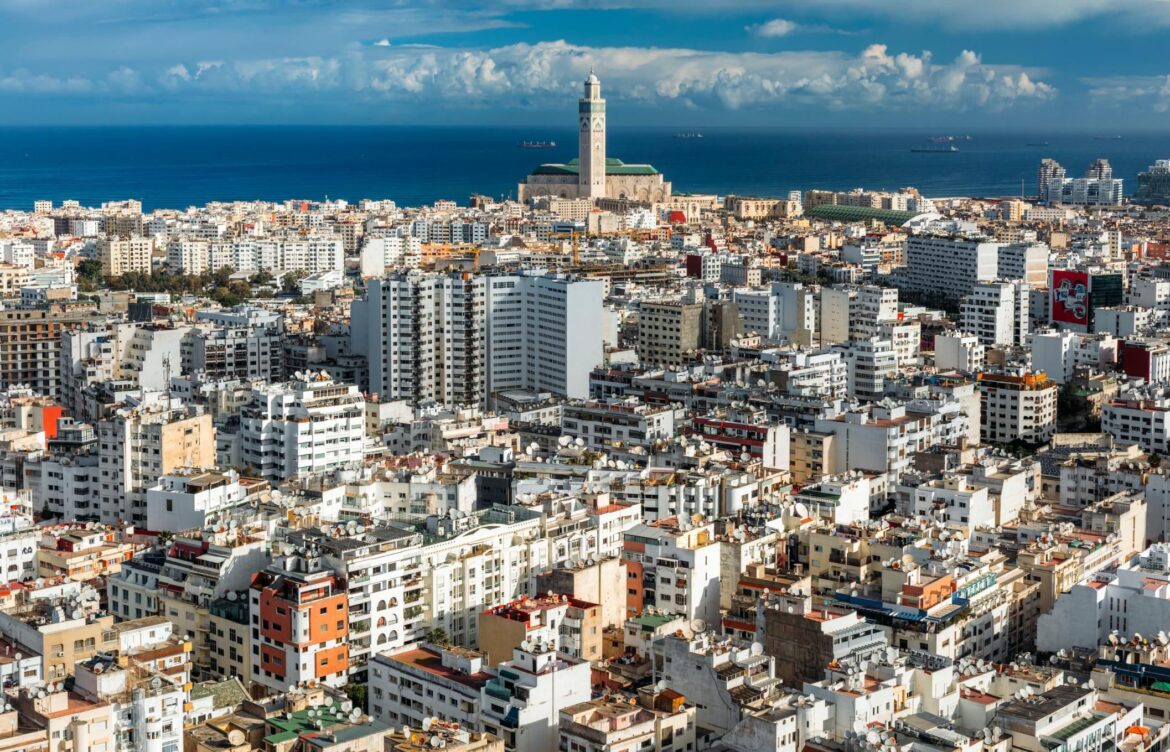
Casablanca is also home to the iconic Hassan II Mosque, one of the largest mosques in the world, which serves both as a place of worship and a major tourist attraction. This architectural marvel, completed in 1993, features stunning craftsmanship and provides insight into Islamic architecture, drawing visitors from around the globe. Events like the Casablanca Festival and various art exhibits promote local artists and showcase the dynamic cultural landscape of the city.
Population and Economic Impact
With a population exceeding 3.7 million, Casablanca is the most populous city in Morocco, playing a critical role in the nation’s economy. It functions as the primary industrial hub, contributing significantly to Morocco’s GDP through its ports and manufacturing industries. Recent statistics indicate a robust growth in tourism, with over 10 million visitors reported in 2022. This influx is encouraged by the city’s strategic location and improved travel connections, including new flights and train services, making it more accessible than ever.
Conclusion
As Casablanca continues to balance tradition with modernity, it reflects the intricate identity of Moroccan culture. The city’s ongoing developments and cultural initiatives emphasize its role as a vital economic and cultural entity in the region. For visitors and locals alike, Casablanca represents more than just a city; it is a vibrant tapestry woven from history, architecture, and contemporary life. The future of Casablanca looks promising, reinforcing its significance as a destination for cultural exchange and urban development.