Exploring Benin: Culture, History, and Significance
Introduction
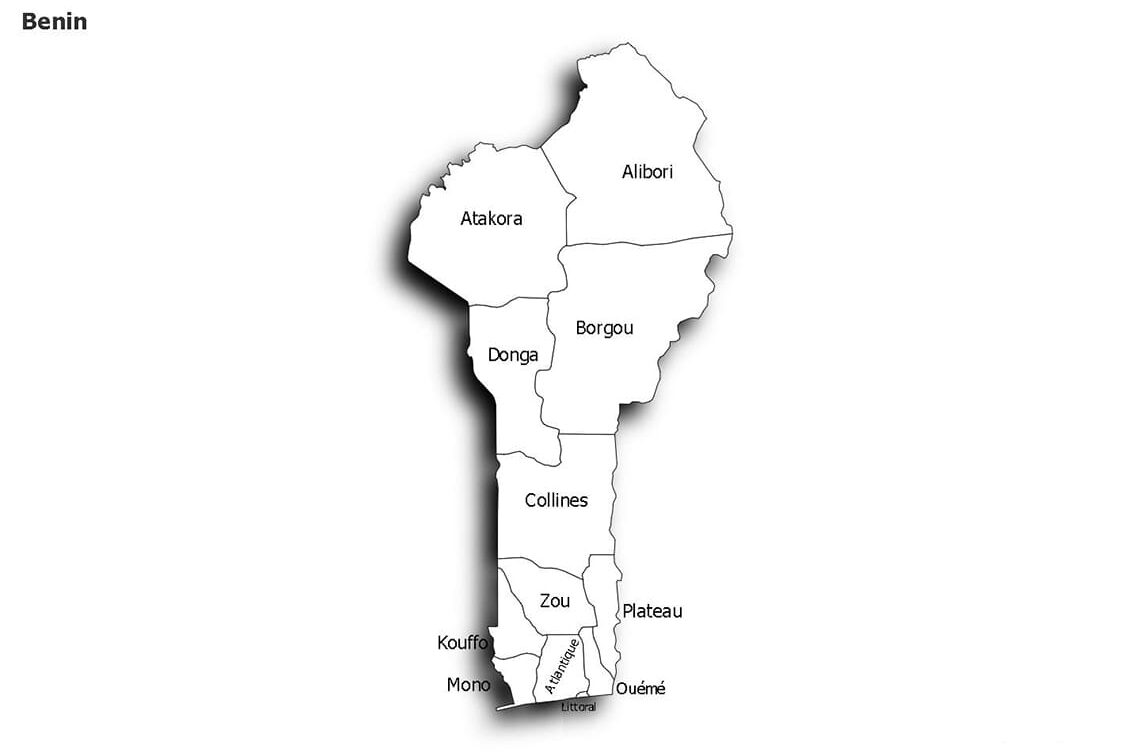
Benin, a small country located in West Africa, has been gaining attention for its rich cultural heritage and historical significance. It is known for its colorful traditions, vibrant arts scene, and the legacy of the Kingdom of Dahomey, making it a fascinating destination for travelers and scholars alike. As the country continues to develop its tourism sector, understanding Benin’s importance is essential for both locals and visitors.
Cultural Heritage
Benin is renowned for its diverse cultural expressions, including music, dance, and art. The country’s most famous art form is the bronze casting of the Benin Bronzes, which are known worldwide for their intricate craftsmanship and historical value. In addition, Voodoo, which is often misunderstood, has deep roots in Benin, celebrated annually through the Voodoo Festival, attracting international visitors interested in exploring this unique aspect of the country’s culture.
Historical Significance
Historically, Benin was the center of the highly organized and powerful Kingdom of Dahomey, which thrived from the 17th to the 19th century. The Dahomey kingdom is famous for its fierce female warriors known as the Amazons, and its well-documented clash with European colonial powers. This rich history plays a critical role in shaping Benin’s identity today and is a driving force behind the country’s efforts to preserve its cultural monuments, including the Royal Palaces of Abomey, which are UNESCO World Heritage Sites.
Current Developments
In recent years, Benin has made strides in promoting tourism and showcasing its historical and cultural sites. The government has invested in infrastructure improvements, helping to create a more welcoming environment for tourists. Major projects, like the Benin Museum of History, open new avenues for understanding the country’s past. Additionally, the government is focusing on sustainable tourism practices to ensure the preservation of its heritage while promoting economic growth.
Conclusion
Benin is a country of immense cultural and historical significance, offering a unique window into West African heritage. As it continues to develop its tourism infrastructure and promote its rich traditions, Benin represents an exciting destination for those eager to explore its vibrant culture and history. The ongoing efforts to preserve and share the country’s legacy would not only benefit the local population but also increase global awareness and appreciation of Benin’s unique heritage.