Everything You Need to Know About the Annular Solar Eclipse
Introduction
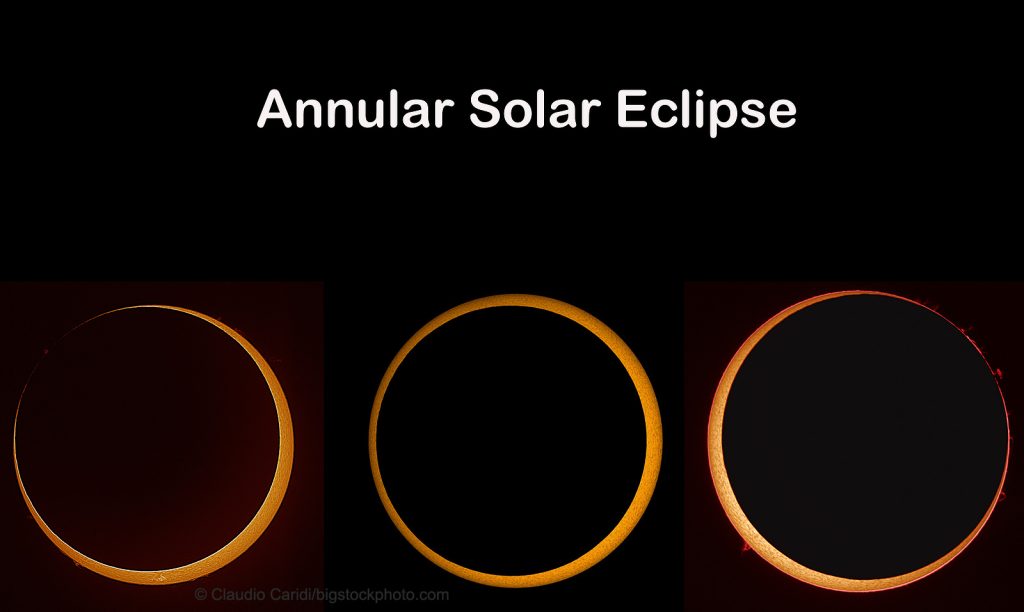
The annular solar eclipse is a celestial event that captures the imagination of sky gazers and scientists alike. Occurring when the moon passes directly between the Earth and the sun, this type of eclipse creates a stunning visual where the sun appears as a bright ring, known as the ‘ring of fire.’ The significance of this event cannot be overstated, as it not only offers a unique viewing experience but also serves as a reminder of the intricate dance of celestial bodies in our solar system.
Details of the Upcoming Annular Solar Eclipse
The next annular solar eclipse is set to take place on October 14, 2023. This eclipse will be visible across parts of the United States, Central America, and South America. For those in the U.S., the path of annularity will begin in Oregon and move across states such as California, Nevada, Utah, Colorado, Arizona, and Texas, ending in Central America. Cities like Denver and San Antonio are expected to experience optimal viewing conditions.
During this event, the moon will cover the center of the sun, leaving a ring-like appearance around its edges. The annular phase of the eclipse will last between 3 to 4 minutes, depending on the observer’s location. It is essential to use proper solar viewing glasses to safely observe this magnificent phenomenon, as looking directly at the sun can cause serious eye damage.
Significance and Impact
Annular solar eclipses are not just visually stunning; they also play a vital role in scientific research and education. Astronomers and educators use these events to engage the public and encourage interest in astrophysics and related fields. Additionally, this particular eclipse allows scientists to study the sun’s atmosphere, known as the corona, by providing a brief opportunity to observe it on the edge of the moon’s silhouette.
Conclusion
The annular solar eclipse on October 14th is more than just an astronomical spectacle; it is a chance for communities to come together in celebration of science and nature. With proper preparation and safety measures in place, viewers across various regions will have the opportunity to witness this extraordinary display. As the date approaches, enthusiasts are encouraged to plan their viewing parties and leverage this unique moment in time to share knowledge and excitement about our universe. Don’t miss out on the chance to see the ‘ring of fire’ and let this eclipse ignite your curiosity about celestial wonders!