Everything You Need to Know About IRS Refunds in 2023
Importance of Understanding IRS Refunds
As tax season approaches, understanding IRS refunds becomes increasingly crucial for millions of Americans anticipating their returns. Refunds can significantly impact personal finances, offering relief or additional funds for savings, investments, or unexpected expenses. With recent changes in tax laws and ongoing economic recovery efforts, staying informed about the status and timelines for IRS refunds is vital for effective financial planning.
Current Status of IRS Refunds
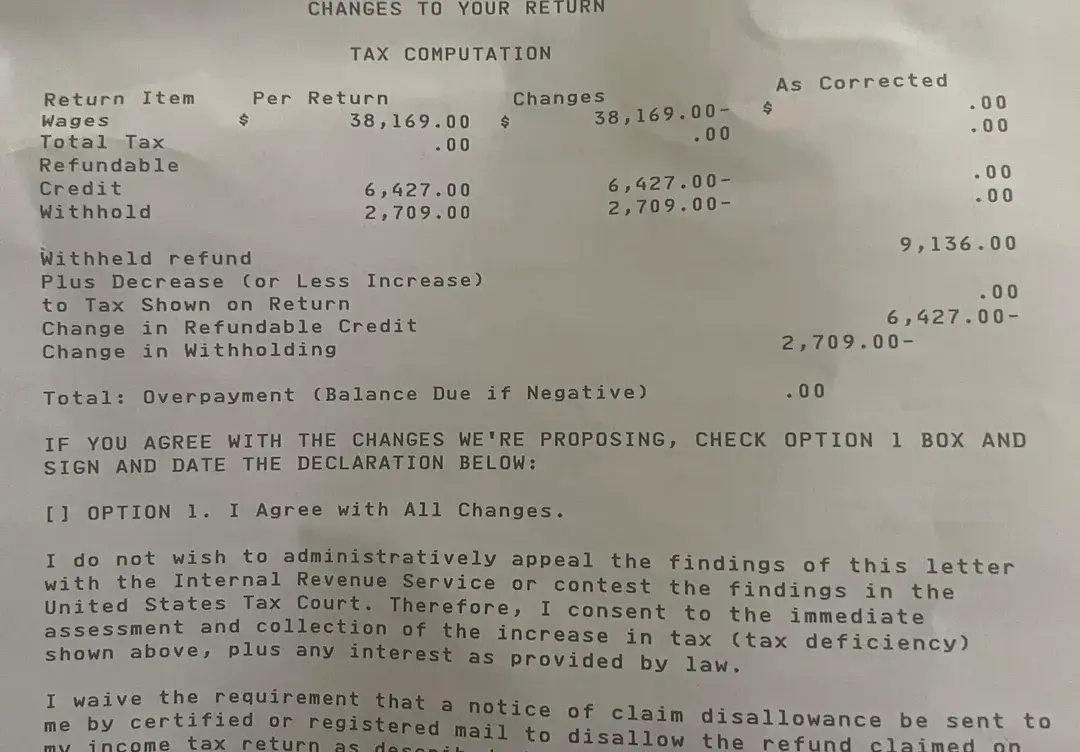
As of October 2023, the IRS is processing tax refunds for the tax year 2022, following an extension to accommodate late filers. The average refund amount is reported to be approximately $3,200, yet many taxpayers are still waiting for their refunds due to various complications including staffing shortages and backlog from the previous year. The IRS has recently enhanced its technology and streamlined processes to resolve these delays, but taxpayers should still remain vigilant.
Key Dates and Deadlines
For taxpayers eager to check their refund status, the IRS ‘Where’s My Refund?’ tool remains the most effective means. Eligible filers can utilize this online tool starting 24 hours after filing electronically or four weeks after sending a paper return. It provides real-time updates on refund processing status, a service that has become especially valuable given the ongoing delays.
Factors Influencing Refund Amounts
Refund amounts can significantly vary based on several factors including income levels, tax deductions, and any applicable credits such as the Earned Income Tax Credit or Child Tax Credit. Changes in tax laws over the past year have also shaped the refund landscape, making it essential for taxpayers to understand how their individual circumstances affect their overall tax obligations.
Conclusion and Future Outlook
As the IRS continues to improve its operations post-pandemic, taxpayers can expect more streamlined processing of refunds in the future. However, keeping abreast of potential changes in tax laws or IRS procedures remains essential. Being proactive and well-informed can help taxpayers maximize their refunds while minimizing stress during the filing season. Overall, understanding the dynamics of IRS refunds not only aids in immediate financial planning but also ensures better preparation for future tax obligations.