Atlanta to host England and Argentina World Cup semifinal clash
The long-standing football rivalry between England and Argentina is set to reignite in a World Cup semifinal in Atlanta. This highly anticipated match will mark the first time Lionel Messi faces England in his career. The encounter is expected to be a significant event, with Argentina, the reigning world champions, aiming to secure another final appearance, while Thomas Tuchel‘s Three Lions seek to end a prolonged wait for a major title.
The rivalry between these two footballing nations spans generations, marked by notable moments, controversies, and political undertones, particularly influenced by the Falklands War in the 1980s. This history continues to be referenced in football songs by Argentina fans and players.
A History of World Cup Encounters
The World Cup rivalry between England and Argentina dates back to 1962. Despite the intense nature of their clashes, England holds a slight edge in their five World Cup meetings. The last encounter between the two sides in a World Cup was in 2002, meaning many younger fans may not recall the historical intensity of the rivalry.
Their first World Cup match took place in 1962 in Rancagua, Chile, during the group stage. England secured a 3-1 victory with goals from Ron Flowers, Bobby Charlton, and Jimmy Greaves. Argentina managed a late consolation goal. Both teams finished the group stage with similar records, but England advanced to the quarter-finals due to a superior goal difference, where they were subsequently eliminated by Brazil.
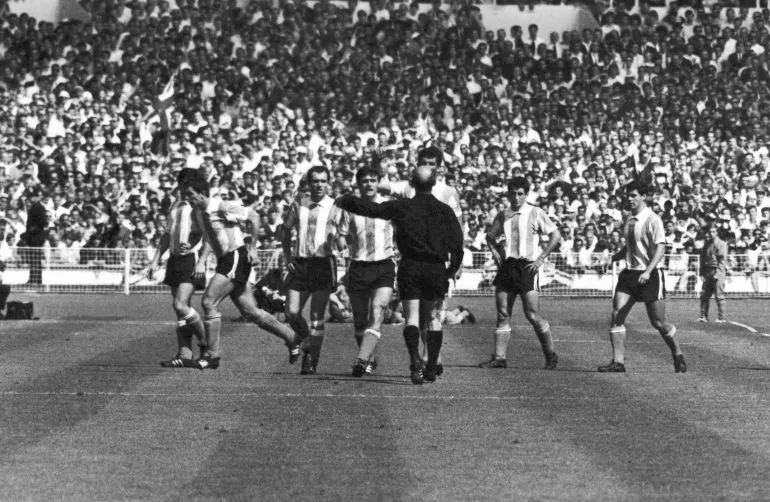
The rivalry intensified significantly in the 1966 quarter-finals at Wembley, where England won 1-0. This match is still a point of contention for Argentina, who claim Geoff Hurst‘s winning goal was offside. The game was marred by controversy, including the sending off of Argentina captain Antonio Rattin after just 33 minutes for two offences. Rattin‘s refusal to leave the pitch led to an almost eight-minute delay. England manager Alf Ramsey famously described the Argentine side as ‘animals’ and prevented his players from swapping shirts. This match is also credited with influencing the introduction of red and yellow cards in football, which were first used in the 1970 World Cup.
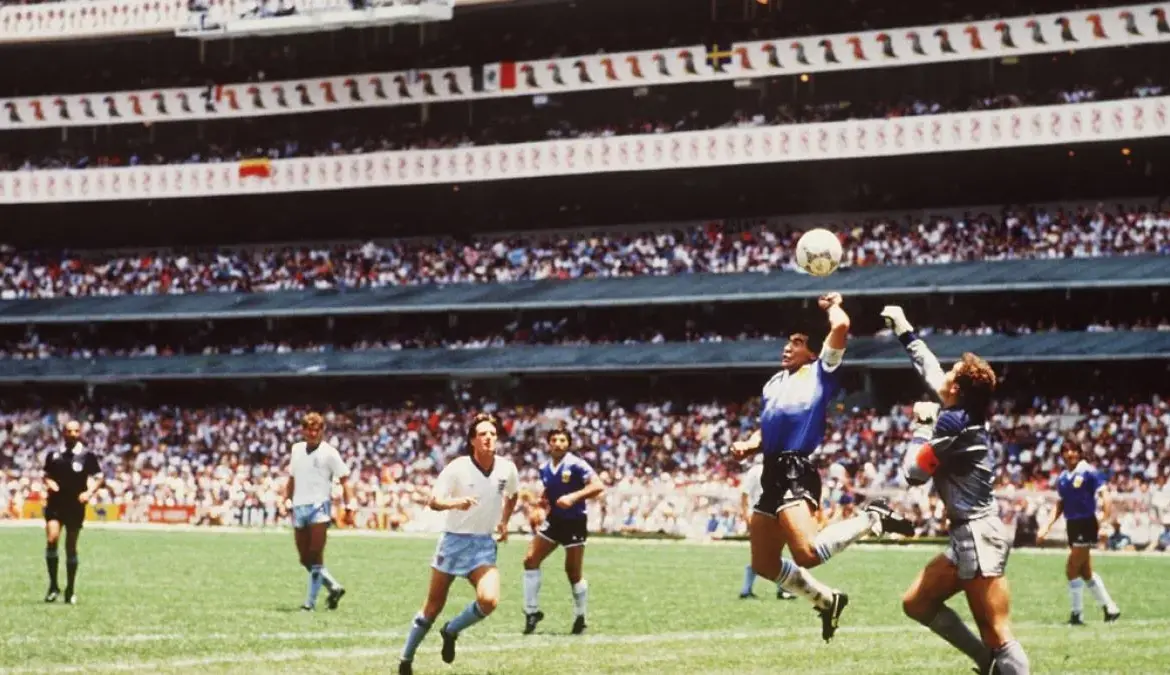
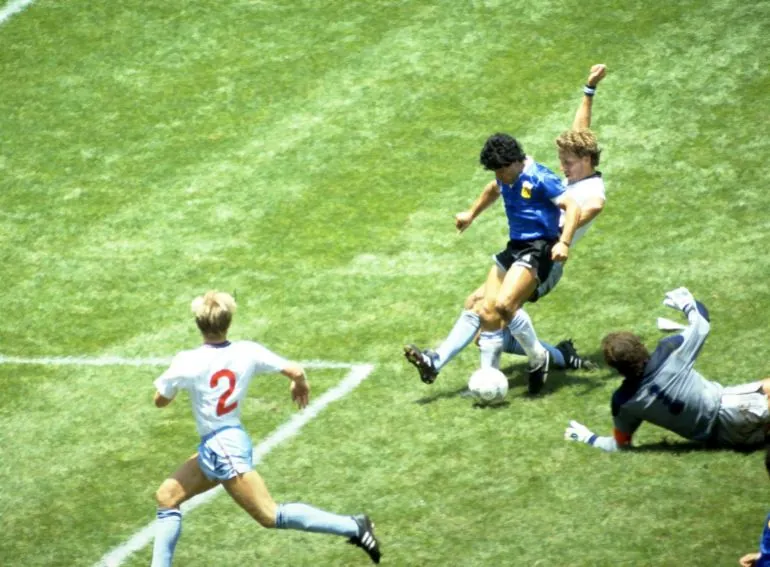
The 1986 quarter-final in Mexico City, played four years after the Falklands War, was deeply intertwined with political tensions. The match saw Diego Maradona score two iconic goals for Argentina. The first, famously known as the ‘Hand of God,’ involved Maradona punching the ball past England goalkeeper Peter Shilton. Just four minutes later, Maradona scored what many consider the ‘Goal of the Century,’ dribbling past several England players before finding the net. Gary Lineker scored a late goal for England, but Argentina advanced and went on to win the tournament.
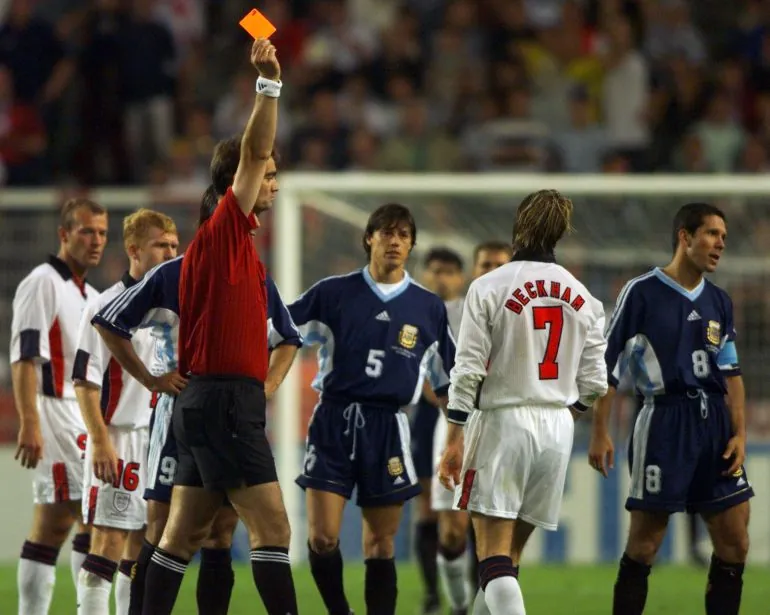
Another memorable clash occurred in the 1998 World Cup last 16 in St Etienne, France. The match, which Argentina won 4-3 on penalties after a 2-2 draw, is largely remembered for David Beckham‘s red card. Beckham was sent off for kicking Diego Simeone in retaliation after being bundled over. Before this, Gabriel Batistuta and Alan Shearer exchanged penalties, and Michael Owen scored a remarkable solo goal to give England a 2-1 lead, only for Javier Zanetti to level the scores before halftime. Sol Campbell had a late header disallowed for England. Argentina eventually won the penalty shootout after misses from David Batty and Paul Ince.
The 2002 World Cup group stage match in Sapporo, Japan, offered England a chance for redemption. David Beckham, then England‘s captain, scored the only goal from a penalty after Michael Owen was fouled by Mauricio Pochettino. This crucial 1-0 victory helped England progress from their group, while Argentina was eliminated before the knockout stages for the first time since 1962. England subsequently beat Denmark in the last 16 before being knocked out by Brazil in the quarter-finals.
The Upcoming Semifinal
The upcoming semifinal in Atlanta will be the first competitive meeting between the two nations in 21 years. Lionel Messi, who was suspended for a friendly match between the two teams in 2005, will be a key player for Argentina as they aim to reach the final once more. Jude Bellingham was a two-goal hero for England in their victory against Norway, securing their place in the semifinal.
The footballing ties between the two countries run deep, with the first recorded match in Argentina involving British railway workers in 1867. Famous clubs like Newell’s Old Boys and Rosario Central were founded by expatriates, and names such as River Plate and Boca Juniors show British linguistic influence. The current generation of Argentina fans continues to sing about England during the ongoing World Cup.
This semifinal is poised to add another chapter to the storied and often contentious history between these two footballing giants.
Read Also
Source: bbc.com