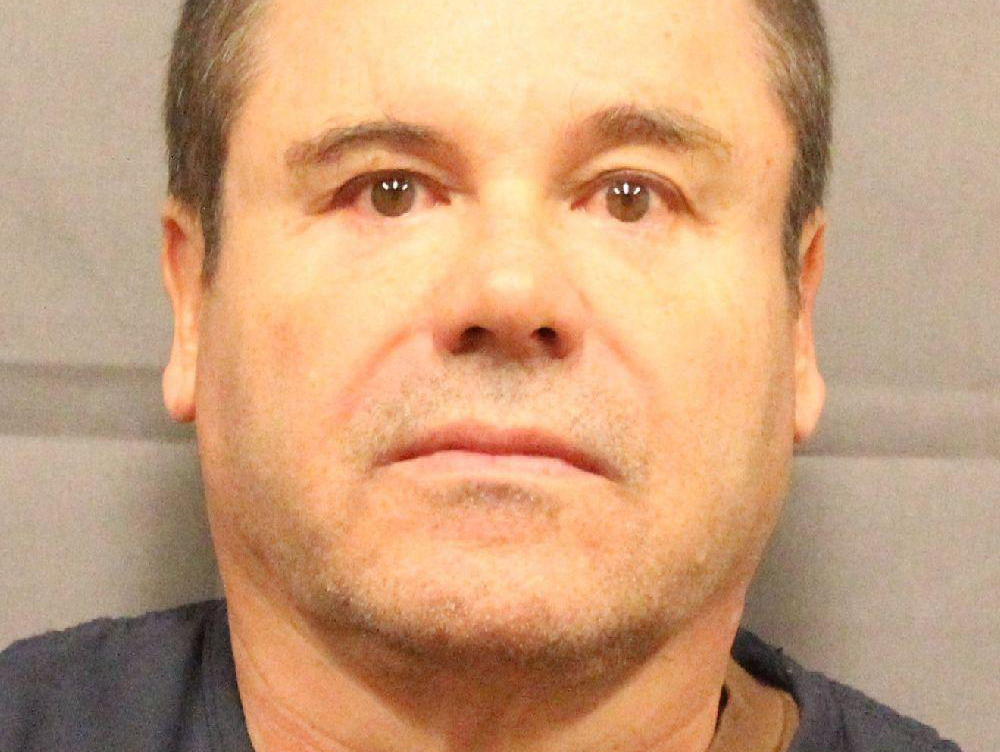
El Chapo: Key Developments and Insights in His Legacy
Introduction
Joaquín “El Chapo” Guzmán, the infamous leader of the Sinaloa Cartel, has become a figure synonymous with drug trafficking and organized crime. His life and capture have captivated the public and raised important discussions about drug policy, law enforcement, and the power of organized crime in Mexico and beyond. As recent events continue to unfold regarding Guzmán’s legacy, understanding his impact remains crucial for addressing the overarching issues related to drug trafficking.
Recent Developments
El Chapo was sentenced to life in prison in July 2019 after being found guilty on multiple counts of drug trafficking, money laundering, and engaging in organized crime. As of late 2023, Guzmán’s name resurfaces in headlines due to ongoing discussions around his influence and the power dynamics within the drug trade. Reports indicate that despite his imprisonment, the Sinaloa Cartel continues to operate as one of the most dominant drug trafficking organizations in the world, with rival factions emerging and shifting in power.
In October 2023, the U.S. Department of Justice announced new charges against several key members of the Sinaloa Cartel, indicating that the organization persists while attempting to retain control in the face of increased law enforcement activities. This underscores the idea that despite Guzmán’s absence from the picture, his legacy and operational strategies still resonate within the cartel’s activities.
Impact on Drug Policy
The legacy of El Chapo raises pertinent questions about drug policy, not just in the United States but globally. As different countries grapple with the challenges posed by powerful drug cartels, the methods for combating such organizations continue to be refined. Many advocates for reform emphasize that understanding the socio-political factors contributing to the drug trade is vital in formulating effective interventions.
Conclusion
El Chapo’s story is more than just that of a criminal; it reflects broader societal issues related to addiction, violence, and international crime. As readers observe the ongoing dialogue surrounding his legacy, it is essential to consider the implications and ramifications for law enforcement and policy makers. As new leaders emerge within the Sinaloa Cartel, the continued evolution of organized crime will likely influence both criminal justice strategies and public health approaches aimed at addressing addiction in society.