Dow Jones Futures Plummet Amid Geopolitical Tensions
Market Context and Recent Developments
The closure of the Strait of Hormuz has significant implications for global oil supply. This strategic waterway is a critical transit point for oil shipments, and its blockage by Iran has raised alarms across financial markets. The geopolitical landscape has become increasingly volatile, particularly following reported U.S. and Israeli strikes on Iranian infrastructure, which prompted Iran’s retaliatory action.
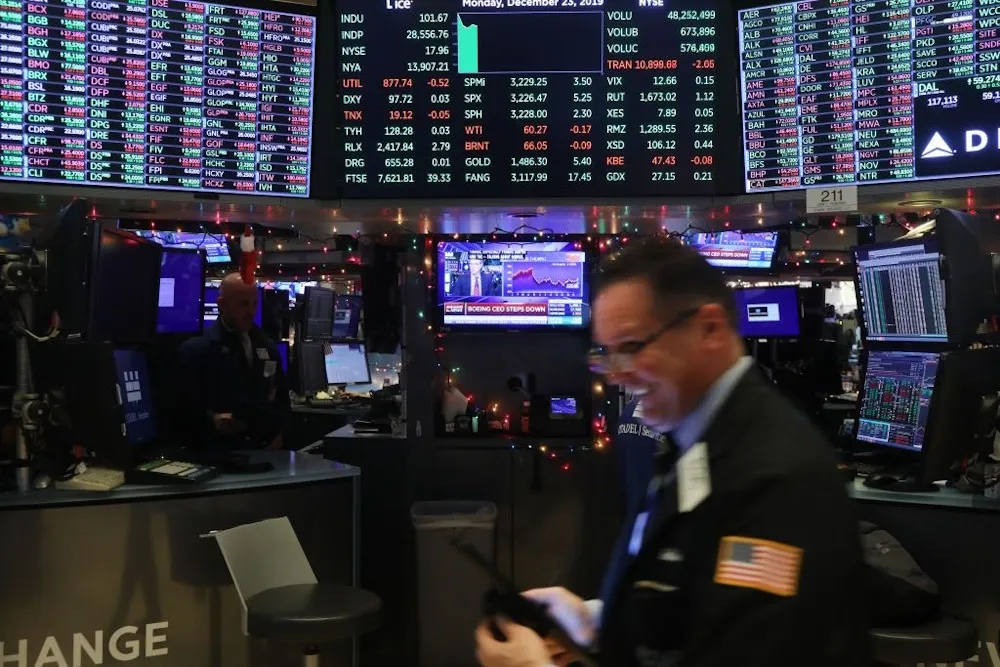
In response to these developments, Dow futures plummeted over 1,000 points, reflecting a 2.13% decline. This sharp drop is indicative of market jitters as investors grapple with the uncertainty surrounding the ongoing conflict and its potential economic ramifications.
Impact on Oil Prices
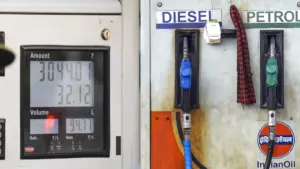
The geopolitical tensions have led to a significant surge in oil prices. Brent crude futures have risen nearly 18% to $109, while West Texas Intermediate (WTI) futures jumped 26% to surpass $107. U.S. oil futures shot up 24.6% to $113.30 a barrel, further exacerbating concerns about inflation and economic stability.
Rick Rieder, a prominent market analyst, noted, “Markets are clearly jittery as the impact, and duration, of the war in the Mideast are very uncertain, with a potentially wide range of outcomes for economies and important market influences.” This sentiment underscores the prevailing anxiety among investors regarding the future trajectory of oil prices and their broader economic implications.
Labor Market Concerns
Adding to the market’s woes, the latest jobs report revealed that the unemployment rate in the U.S. has increased to 4.4%. Non-farm payrolls in February fell by 92,000, contrary to expectations of a 50,000 increase. This rise in unemployment, coupled with soaring oil prices, raises questions about consumer spending and overall economic growth.
Market Volatility and Future Outlook
The CBOE Volatility Index (VIX) soared to 29.49, its highest level since April 2022, indicating heightened market volatility. The put-call ratio for options has also risen sharply, signaling increased selling pressure as investors seek to hedge against further declines.
As the situation unfolds, observers are left to speculate on the potential for further declines in the Dow if oil prices remain high. The immediate trigger for the crisis was Iran’s move to block tanker traffic, and the war’s rapid spiral into greater levels of peril stoked fears that multiple worst-case scenarios could be realized. Details remain unconfirmed regarding the exact duration and outcome of the conflict between the U.S. and Iran, leaving markets in a state of uncertainty.
Political figures have also weighed in on the situation. Former President Donald Trump stated, “Short term oil prices, which will drop rapidly when the destruction of the Iran nuclear threat is over, is a very small price to pay for U.S.A., and World, Safety and Peace.” This perspective highlights the complex interplay between geopolitical strategy and economic considerations as the situation develops.
In summary, the Dow Jones futures have experienced a significant downturn amid rising oil prices and escalating geopolitical tensions. As the market navigates these challenges, the potential for further volatility remains a pressing concern for investors and analysts alike.