Discovering the Gulf Coast of the United States
Introduction
The Gulf Coast of the United States is a vital region that stretches along the southern US, bordering the Gulf of Mexico. Known for its stunning beaches, rich cultural heritage, and important economic activities, this area is not only a popular tourist destination but also plays a crucial role in the nation’s economy, particularly in sectors such as fishing, oil, and tourism.
Geography and Regions
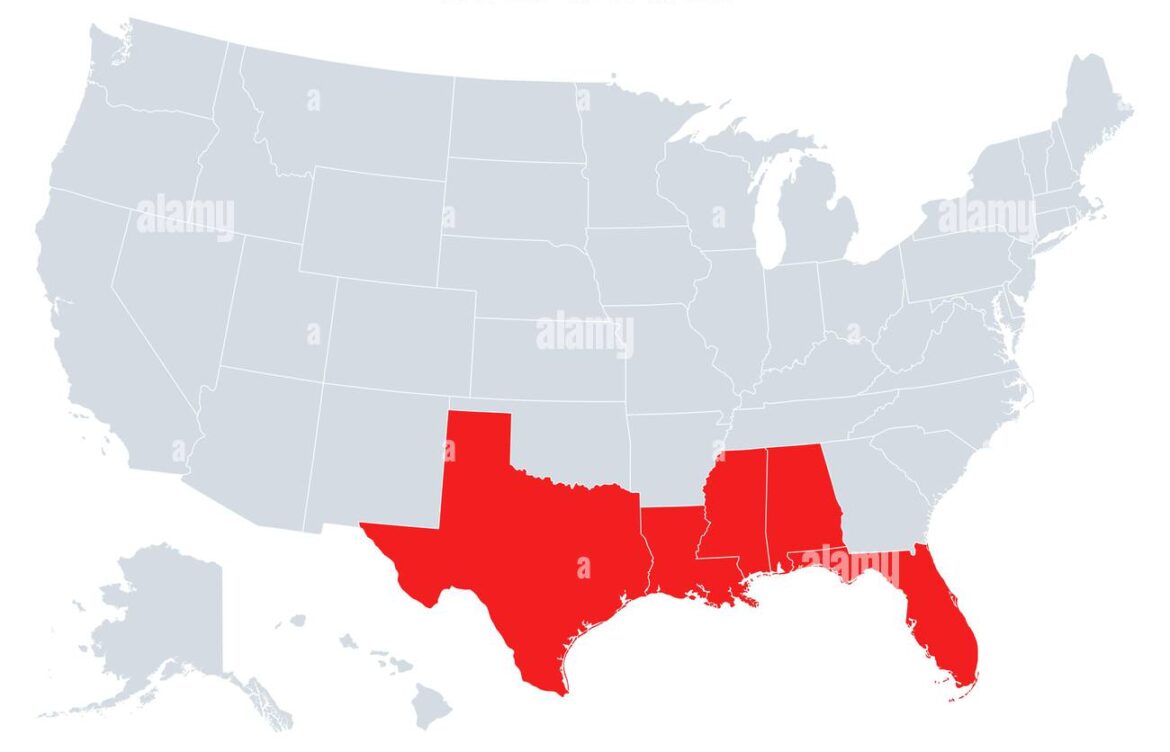
The Gulf Coast encompasses several states, including Texas, Louisiana, Mississippi, Alabama, and Florida. Each state brings its unique charm, from Texas’s bustling ports to Florida’s renowned vacation spots. The coastline stretches over 1,600 miles and offers diverse ecosystems, from coastal marshlands to sandy beaches, providing habitats for numerous species of wildlife.
Economic Significance
The Gulf Coast is economically significant due to its oil and gas industry, which accounts for a substantial portion of the US’s energy production. Key offshore drilling sites contribute immensely to the local and national economy. Furthermore, the fishing industry, notably shrimping and crab harvesting, supports thousands of jobs and is integral to the cultural identity of the region. Tourism is another cornerstone, attracting millions of visitors each year to destinations like New Orleans, Gulf Shores, and the Florida Panhandle.
Climate Challenges
This vibrant region faces considerable challenges related to climate change, including hurricanes, flooding, and coastal erosion. Recent storms, such as Hurricane Ida in 2021, highlighted vulnerabilities in infrastructure and the urgent need for adaptive measures. Cities are investing in resilience strategies to mitigate the impacts of such extreme weather events, which have become increasingly prevalent.
Cultural Richness
The Gulf Coast is also celebrated for its cultural diversity, evident in its music, cuisine, and festivals. From Cajun and Creole influences in Louisiana to the beach culture in Florida, the region’s culinary offerings, including gumbo and fresh seafood, are widely recognized. The annual Mardi Gras celebration in New Orleans exemplifies the vibrant culture that draws visitors from around the globe.
Conclusion
The Gulf Coast of the United States represents a dynamic interplay between natural beauty, economic strength, and cultural richness. As challenges from climate change and economic shifts continue to arise, the resilience and adaptability of this region will be crucial in navigating its future. For readers, understanding this pivotal region’s role can better inform discussions about environmental policy, tourism, and community development in the coming years.