Discovering Madagascar: An Island of Wonders
Introduction
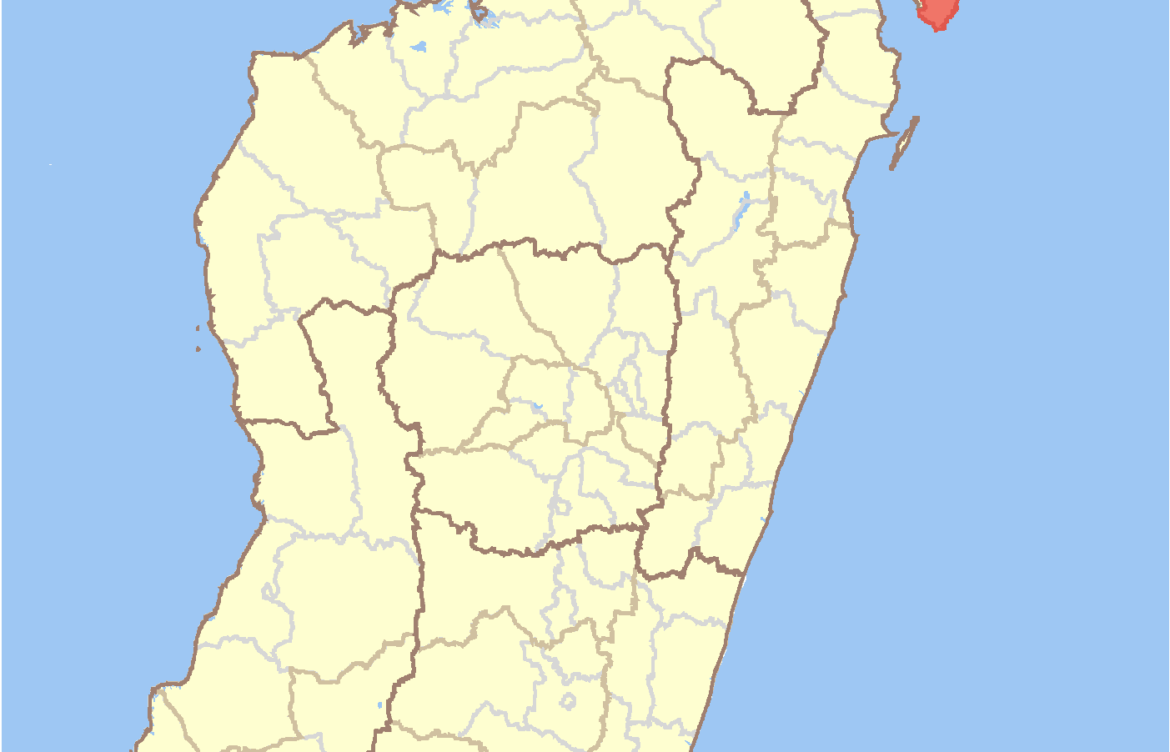
Madagascar, the fourth largest island in the world, is renowned for its extraordinary biodiversity and rich cultural heritage. As one of the most isolated landmasses on the planet, over 90% of its wildlife are found nowhere else. The island’s unique ecosystems make it a prime location for biodiversity conservation, attracting researchers, ecologists, and travelers alike. With recent developments in ecotourism and conservation efforts, Madagascar is increasingly gaining global attention.
Wildlife and Biodiversity
Home to a plethora of endemic species, Madagascar’s wildlife includes the famous lemurs, chameleons, and the fossa, a carnivorous mammal resembling a small cougar. Recent surveys by the World Wildlife Fund have reported that Madagascar’s forests house approximately 12,000 plant species, 70% of which are endemic. However, habitat loss due to deforestation and agriculture poses a significant challenge to wildlife conservation. In 2023, the Malagasy government introduced new policies aimed at reducing deforestation and protecting key habitats, including biodiversity-rich national parks.
Cultural Heritage
Beyond its incredible wildlife, Madagascar boasts a diverse cultural landscape influenced by African, Arab, and Asian traditions. The Malagasy people are known for their rich oral history, music, and art. A notable cultural event, the Famadihana, or ‘turning of the bones,’ is celebrated by many Malagasy communities and reflects the deep respect for ancestors. The rise of cultural tourism is leading to a new appreciation for these traditions, with efforts underway to preserve and promote local arts and crafts.
Tourism and Conservation Efforts
In recent years, ecotourism has emerged as a sustainable way to promote economic development while protecting Madagascar’s unique environment. Several local initiatives have been launched to engage communities in conservation efforts, linking traditional practices with modern environmentalism. Tour operators now offer eco-friendly tours that educate visitors about local ecosystems while supporting community projects. The United Nations has recognized these efforts as a model for other nations, declaring 2023 as the year of Sustainable Travel, with Madagascar at the forefront.
Conclusion
The importance of preserving Madagascar’s unique biodiversity and cultural heritage cannot be overstated. As global awareness of environmental issues grows, Madagascar’s fate is increasingly tied to sustainable practices and conservation efforts. The island stands as a beacon for biodiversity and culture, illustrating the delicate balance between human activity and the natural world. Future travelers are encouraged to visit not only to enjoy its breathtaking landscapes and wildlife but also to participate in initiatives that contribute to the island’s protection and the welfare of its people.