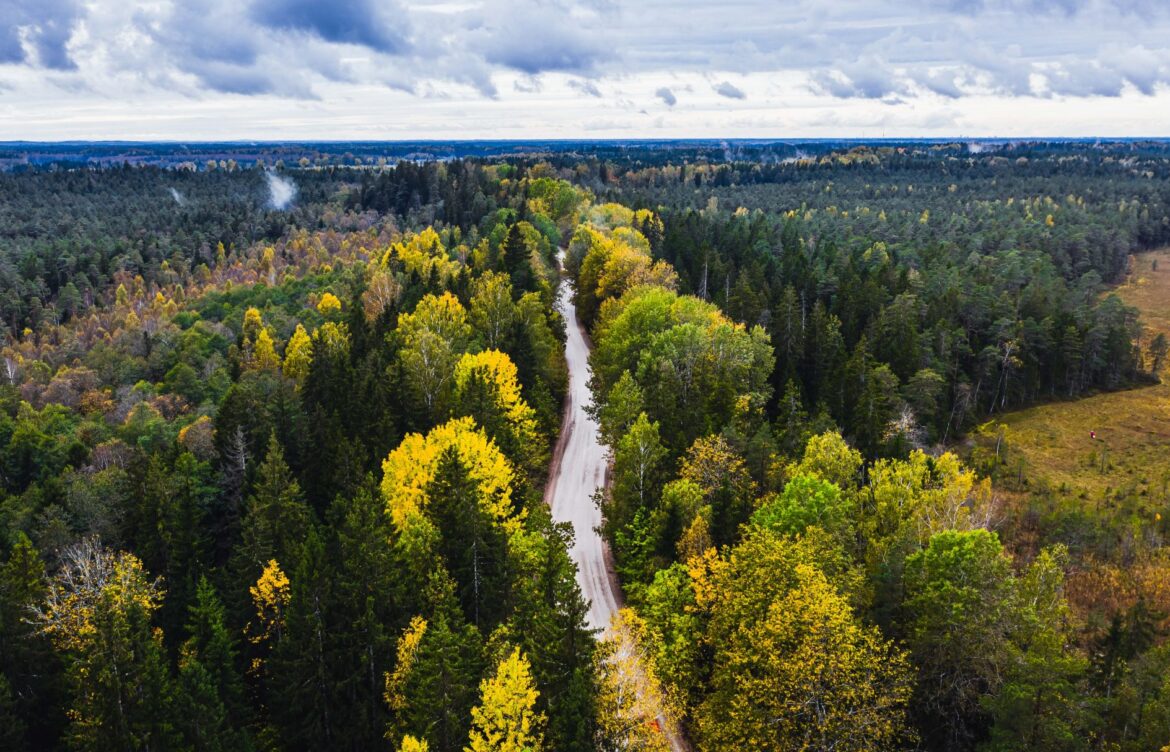
Discovering Latvia: History, Culture, and Current Events
The Importance of Latvia in the Baltic Region
Latvia, a small yet vibrant nation located in the Baltic region of Northern Europe, has increasingly captured global attention due to its rich history and unique cultural identity. As one of the three Baltic states alongside Estonia and Lithuania, Latvia plays a crucial role in geopolitical dynamics and cultural exchanges within Europe and has been pivotal in discussions regarding European Union policies, economic growth, and environmental sustainability.
A Glimpse into Latvia’s History
Latvia’s historical landscape dates back thousands of years, influenced by various cultures including the Vikings, Germans, and Russians. After years of foreign rule, Latvia declared independence in 1918, a status that was interrupted by the Soviet annexation during World War II. Following years of oppression, Latvia regained its independence in 1990 and has since made significant strides towards establishing a stable democracy and a thriving economy.
Current Events and Economic Developments
In recent months, Latvia has faced numerous challenges and opportunities. The ongoing conflict in neighboring Ukraine has heightened concerns regarding regional security, prompting Latvia to strengthen its defense capabilities, including a significant increase in military spending and participation in NATO operations. Additionally, Latvia’s strategic location as a gateway to the Baltic Sea has made it vital for trade and logistics in the region.
The economy is gradually recovering from the impacts of the COVID-19 pandemic, with growth projected to reach approximately 4.5% in 2023. Key sectors such as information technology, manufacturing, and tourism are driving this recovery, with a notable increase in international investment and interest in the Latvian startup ecosystem.
Cultural Significance and Heritage
Latvia is renowned for its rich cultural heritage, which includes vibrant folk traditions, music, and art. The annual Song and Dance Festival, recognized by UNESCO, showcases the country’s dedication to preserving its cultural identity. Additionally, the capital city, Riga, is a UNESCO World Heritage site, celebrated for its stunning architecture and historical significance.
Conclusion: Looking Ahead for Latvia
As Latvia continues to navigate the complexities of international relations and internal development, its role in the European landscape is likely to evolve further. The nation’s commitment to sustainability, cultural heritage, and economic growth positions it as a key player in the Baltic region. Observers and policymakers alike will be watching Latvia closely, as it embraces both its past and future in a rapidly changing world.