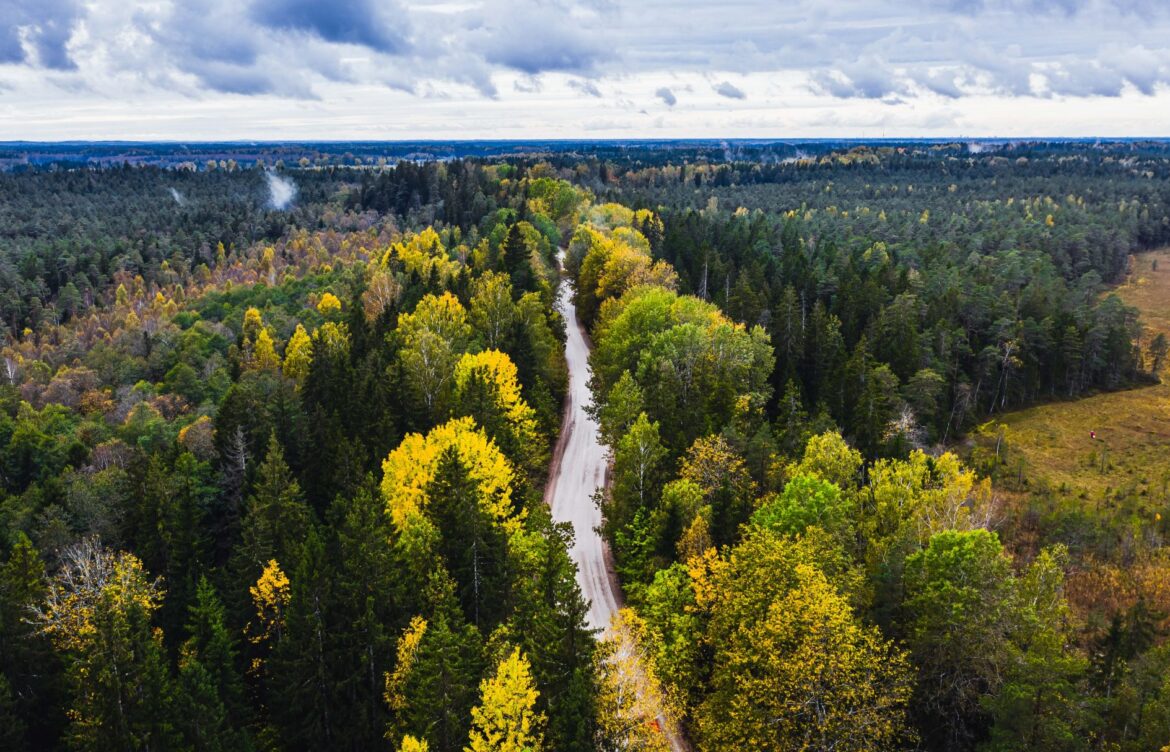
Discovering Latvia: Culture, History, and Economy
The Importance of Latvia
Latvia, a small nation located in the Baltic region of Northern Europe, is often overlooked in favor of its larger neighbors, Estonia and Lithuania. However, this charming country boasts a rich cultural heritage, vibrant history, and an emerging economy that is gaining traction on the global stage. Understanding Latvia’s significance is vital not only for regional understanding but also for appreciating the unique contributions it makes to Europe.
Historical Background
Latvia’s history is a tapestry of influences, beginning from the Baltic tribes to centuries of foreign domination by the Germans, Poles, Swedes, and Russians. It gained independence in 1918, but was invaded by the Soviet Union during World War II, followed by Nazi occupation before ultimately becoming a part of the USSR until 1990. Latvia regained its independence post-Soviet Union, marking a pivotal moment in its quest for national identity and democratic governance.
Cultural Landscape
Latvia is celebrated for its artistic heritage, particularly in music and dance. The country holds a strong tradition of choral singing, exemplified by the Latvia Song and Dance Festival, which is recognized by UNESCO as an Intangible Cultural Heritage. The capital, Riga, features beautiful Art Nouveau architecture and was named a European Capital of Culture in 2014, drawing tourists and culture enthusiasts alike.
Economic Developments
In recent years, Latvia has seen significant economic growth, transitioning from a post-Soviet economy to becoming one of the European Union’s notable expansions. According to the Latvian Central Statistical Bureau, the GDP growth rate for 2023 is projected at around 4.2%. The nation’s key industries include information technology, manufacturing, and transportation, positioning Latvia as a competitive player in the European market.
Future Prospects
Looking ahead, Latvia aims to enhance its international presence and foster stronger economic ties within Europe and beyond. With investment in renewable energy and technology sectors, Latvia is poised for sustainable growth. Additionally, as a member of NATO and the EU, Latvia plays a key role in regional security and collaboration.
Conclusion
In conclusion, Latvia is more than just a scenic destination; it is a nation rich in history and culture, actively shaping its economic future. As global interest in the Baltic states grows, Latvia’s contributions to the European and global landscape will undoubtedly become increasingly significant.