Discovering Dagestan: A Blend of Cultures and Traditions
Introduction to Dagestan
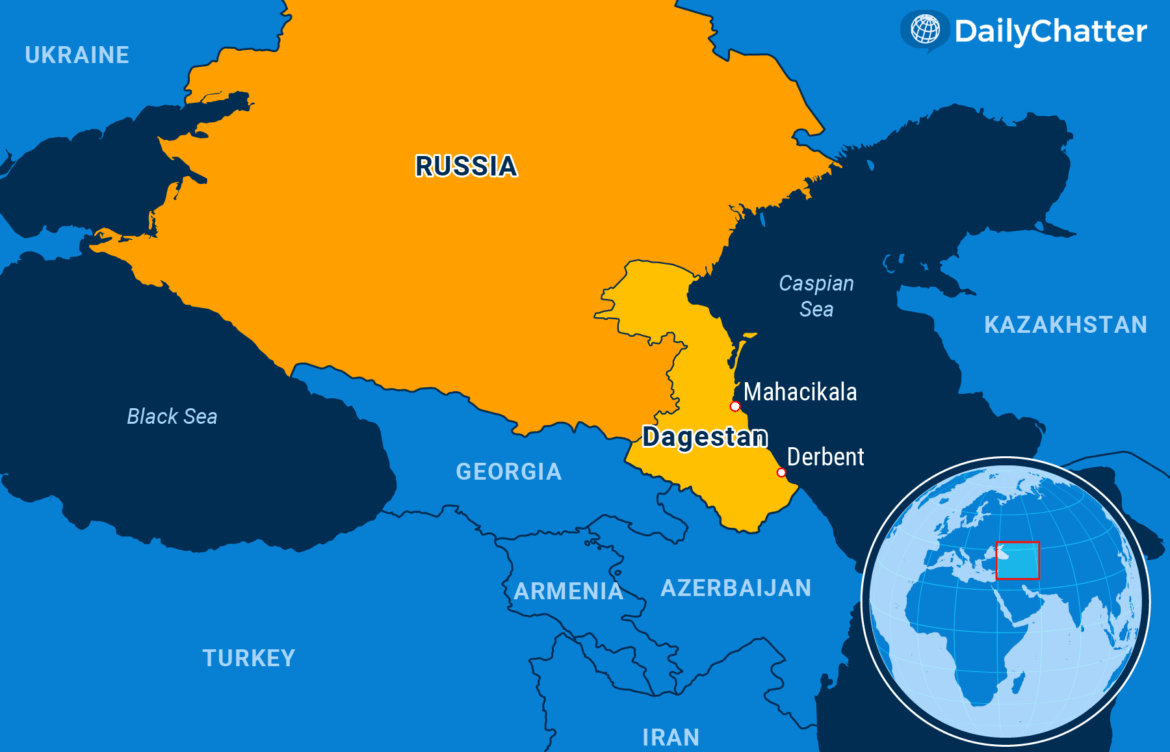
Dagestan, a picturesque region located in the North Caucasus of Russia, is renowned for its breathtaking landscapes, rich cultural heritage, and diverse ethnic composition. Home to over thirty ethnic groups, Dagestan is a microcosm of cultural plurality that reflects the complex historical tapestry of the region. Recently, Dagestan has captured international attention due to its unique traditions and ongoing developments in tourism.
Geography and Demographics
Dramatically varied in topography, Dagestan boasts majestic mountain ranges, fertile valleys, and a long coastline along the Caspian Sea. The capital city, Makhachkala, is a vibrant urban center that illustrates the region’s blend of ancient traditions and contemporary lifestyles. The population of Dagestan is approximately 3 million people, predominantly consisting of ethnic Avars, Dargins, Kumyks, and Lezgins, among others. This ethno-cultural diversity plays a significant role in shaping the region’s social dynamics.
Cultural Significance
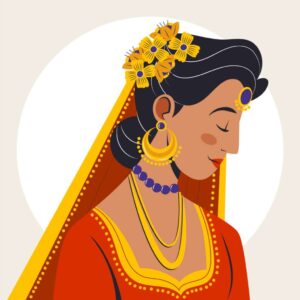
The cultural richness of Dagestan is evidenced in its music, dance, and handicrafts. Traditional dances such as the Lezginka are celebrated not only in local festivals but also receive international recognition. Moreover, Dagestani cuisine, characterized by its unique flavors and use of local ingredients, has gained popularity among food enthusiasts. Handwoven textiles and jewelry showcase the artisanship that has been passed down through generations, making Dagestan a hotspot for cultural tourism.
Recent Developments
In recent years, Dagestan has been focusing on boosting its tourism sector as part of broader economic reforms. The Dagestani government has been investing in infrastructure, improving transportation, and promoting historical sites to attract tourists. Landmark sites such as the ancient city of Derbent and the scenic Sulak Canyon are being highlighted in marketing campaigns targeting domestic and international tourists. Additionally, significant attention has been directed to preserving the intangible cultural heritage of the region, including its languages and folklore.
Conclusion
As Dagestan continues to grow as a destination for cultural tourism, it holds promise for fostering increased understanding and appreciation of its rich heritage. The region’s unique cultural identity, alongside ongoing modernization efforts, positions it as a fascinating area of exploration for visitors. For those seeking to experience a blend of stunning nature and intricate traditions, Dagestan offers an unparalleled opportunity. The future looks bright for Dagestan as it embraces its past while stepping confidently into the global arena, making it a pivotal region for cultural exchange.