Discovering Bamako: The Heart of Mali
Introduction
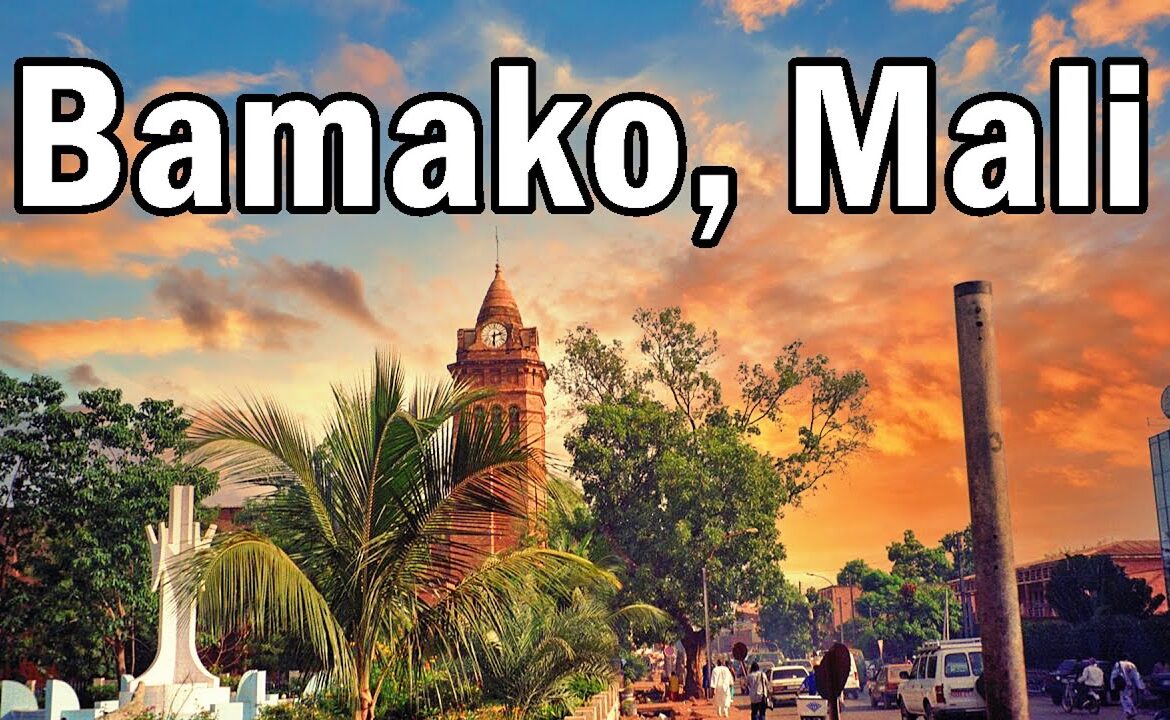
Bamako, the bustling capital city of Mali, is a vibrant hub of culture, history, and politics in West Africa. Positioned along the Niger River, the city is pivotal not only for Mali but also as a vital center in the Sahel region. With a population of over 2 million, Bamako is the largest city in Mali and plays a crucial role in the country’s economy, education, and cultural identity.
Historical Overview
The history of Bamako can be traced back to the 11th century, but it began to flourish significantly during the colonial period in the late 19th century. Today, it stands as a testament to the rich history of Mali that dates back to ancient empires, including the Mali Empire, known for its wealth and learning.
Current Events and Significance
As of 2023, Bamako continues to navigate challenges including political instability and economic hardship fueled by ongoing security issues in the region. Following a military coup in 2021, the city has seen a shift in governance, prompting international discussions regarding aid and support. Despite these challenges, the city remains vibrant, hosting various markets, cultural festivals, and institutions that contribute to its lively atmosphere.
Bamako is also renowned for its music scene, which has gained international recognition through artists such as Salif Keita and Amadou & Mariam, showcasing the city as a cultural landmark in Africa.
Impacts on Tourism and Economy
<pTourism in Bamako is slowly recovering as global travel restrictions ease. The city's attractions include the National Museum of Mali, which features artifacts from the rich historical past of Mali, and traditional markets like the Grand Marché where local crafts and food are vibrant and plentiful. The local economy relies not just on tourism but also on agriculture and trade, with initiatives in sustainable practices being introduced to enhance local livelihoods.
Conclusion
Bamako is not just a city; it embodies the resilient spirit of Mali. As it continues to adapt and grow amidst various challenges, the city’s blend of historical significance and contemporary culture will likely draw continued interest from both travelers and investors. Observers expect that with international support for stability and development, Bamako could strengthen its position as a key player in West African affairs in the years to come. Readers are encouraged to keep an eye on the developments in Bamako, as they reflect both the challenges and the opportunities that define modern Mali.