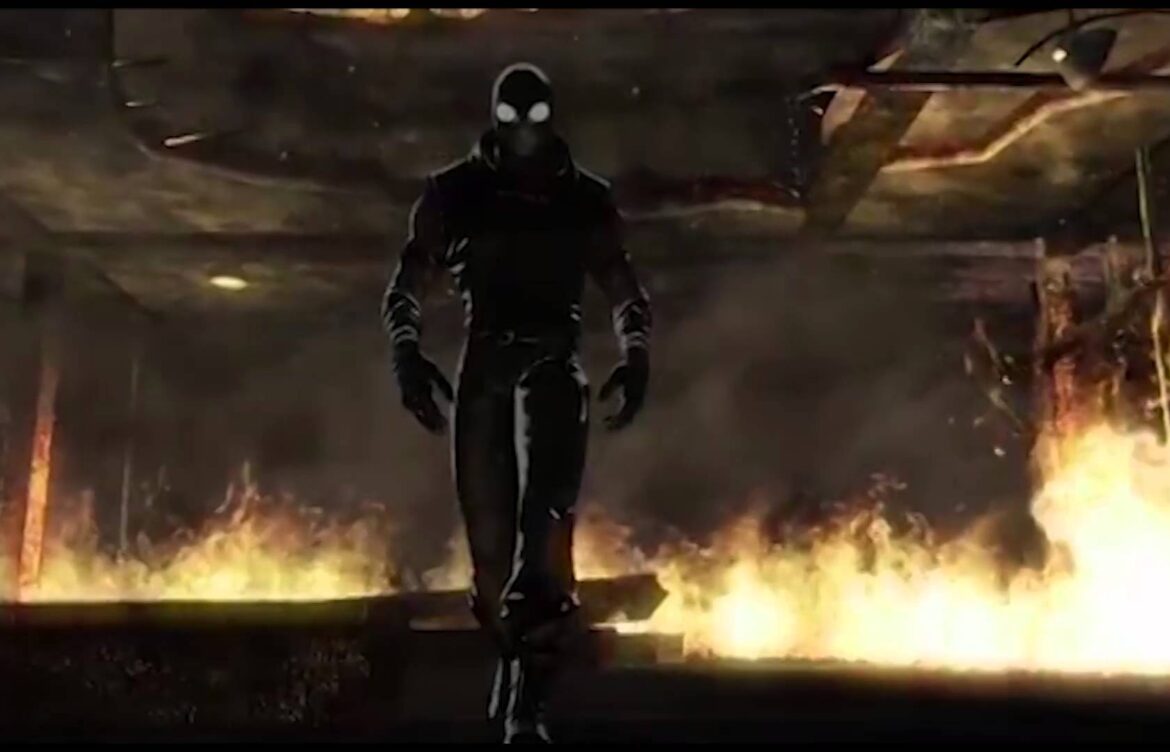
Delving into the World of Spider Noir
Introduction
The character of Spider Noir has gained significant traction in the world of comics and popular culture. Introduced in the 2009 comic series “Spider-Man: Noir,” he offers a gritty, alternative vision of the web-slinger, set against the backdrop of the 1930s. This depiction resonates in today’s entertainment landscape, showcasing how classic characters can be reinvented to engage new audiences.
The Origins of Spider Noir
Spider Noir was created by David Hine and Fabrice Sapolsky as part of Marvel’s “Noir” series, which reimagines iconic superheroes in a darker, more complex setting. In this version, Peter Parker is a journalist investigating crime in New York City. After being bitten by a radioactive spider, he gains powers that help him combat the criminal underworld. Unlike the traditional Spider-Man, this character is marked by a retrofuturistic design and a moody narrative style that draws heavily on film noir aesthetics, including stark contrasts and morally ambiguous characters.
Recent Developments
Spider Noir gained renewed relevance following his appearance in the animated film “Spider-Man: Into the Spider-Verse” (2018), where he was voiced by Nicolas Cage. The film was celebrated for its innovative animation style and rich storytelling, and Spider Noir’s unique persona added depth and humor, allowing fans to appreciate this alternative interpretation of Spider-Man. His popularity has sparked discussions about the potential for standalone media, including movies and spin-off series that delve deeper into his story and the universe he inhabits.
Impact and Cultural Significance
The reimagining of Spider-Man as Spider Noir illustrates major themes of identity, justice, and morality, resonating with contemporary societal issues. The use of noir elements allows for exploring darker aspects of heroism and the psyche of the vigilante. As the media landscape shifts, characters like Spider Noir highlight the versatility of comic book narratives and the enduring appeal of superheroes, adaptable to various genres and storytelling styles. The interest in Spider Noir reflects a broader trend in comic adaptations that embrace diversity in character portrayal and thematic exploration.
Conclusion
Spider Noir stands as a testament to the evolving nature of superhero narratives. As audiences continue to seek fresh perspectives on classic characters, the potential for further exploration of Spider Noir seems bright. The blend of noir aesthetic with superhero lore opens doors for new stories that challenge conventional narratives, providing greater depth and engagement for fans. Thus, Spider Noir not only enriches the Spider-Man franchise but also invites a reevaluation of what makes a hero in modern storytelling.