Dara khosrowshahi’s Vision for Uber’s Autonomous Future
Background on Uber’s Autonomous Vehicle Strategy
Uber is accelerating its push into autonomous vehicle technology. The company aims to transform its ride-sharing model by integrating robotaxis into its operations, a move that could significantly alter the transportation landscape.
Recent Developments
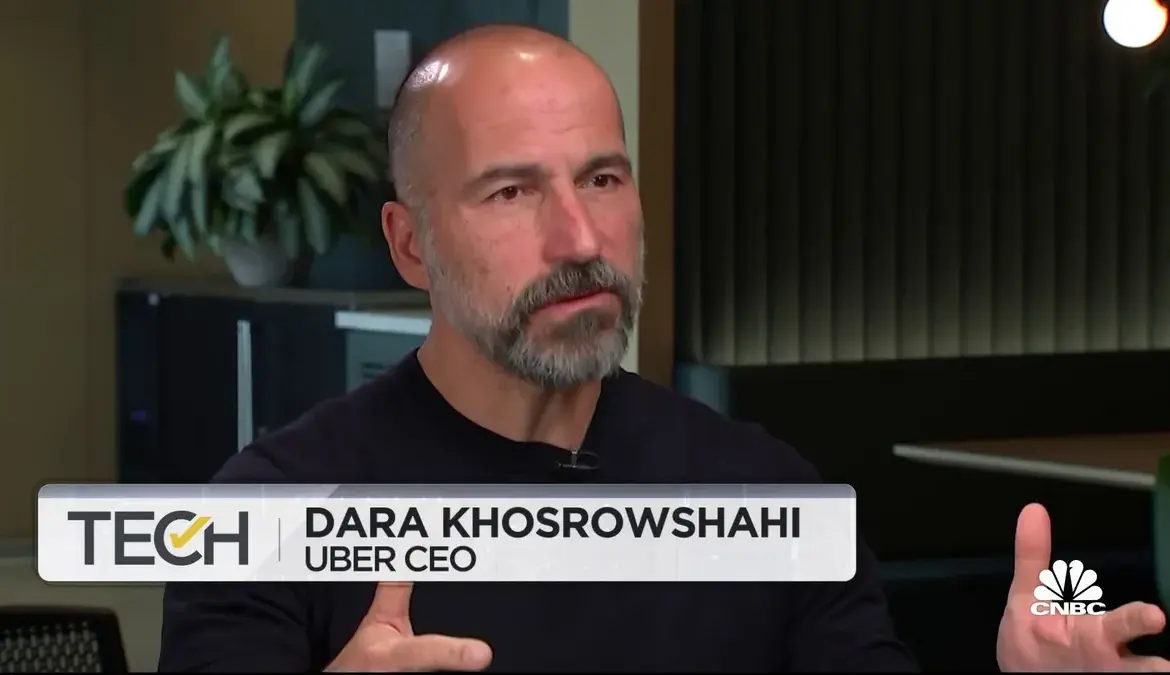
Dara Khosrowshahi, the CEO of Uber Technologies, Inc., has expressed optimism about the future of robotaxis, stating that he expects them to handle most Uber trips within the next 15 to 20 years. This ambitious timeline reflects Uber’s commitment to advancing its autonomous vehicle strategy.
To coordinate its global robotaxi efforts, Uber has launched Uber Autonomous Solutions. This initiative is designed to streamline the development and deployment of autonomous fleets, which Khosrowshahi believes will eventually dominate the market.
Challenges Ahead
However, Khosrowshahi cautioned that the transition to robotaxis will not occur in the near term. He emphasized that scaling autonomous fleets requires overcoming significant hurdles, including regulatory approval, technological advancements, and infrastructure development.
In a recent statement, Khosrowshahi remarked, “You can imagine the majority of our trips being fulfilled by robots of some kind.” He further noted, “We don’t operate in the virtual world, we operate in the physical world,” highlighting the complexities involved in making this vision a reality.
Market Projections
A 2025 report from Goldman Sachs projected that while robotaxis in the U.S. could grow rapidly, they would still represent a small portion of the ride-share market by 2030. This suggests that while the future is promising, the path to widespread adoption will be gradual.
Industry Competition
In the competitive landscape of autonomous vehicles, other companies like Waymo and Tesla are also making strides. Tesla CEO Elon Musk has stated that Tesla expects to maintain the largest fleet of autonomous vehicles, further intensifying the race in this emerging market.
Waymo, for instance, operates remote assistance centers in multiple U.S. states and the Philippines, employing around 70 agents to support its autonomous vehicle operations.
Looking Ahead
As Uber continues to navigate the complexities of autonomous vehicle technology, industry observers are keen to see how Khosrowshahi’s vision unfolds. The coming years will be critical in determining the feasibility and acceptance of robotaxis in everyday transportation.